Soil Placement Drives Long-Term Urban Tree Performance

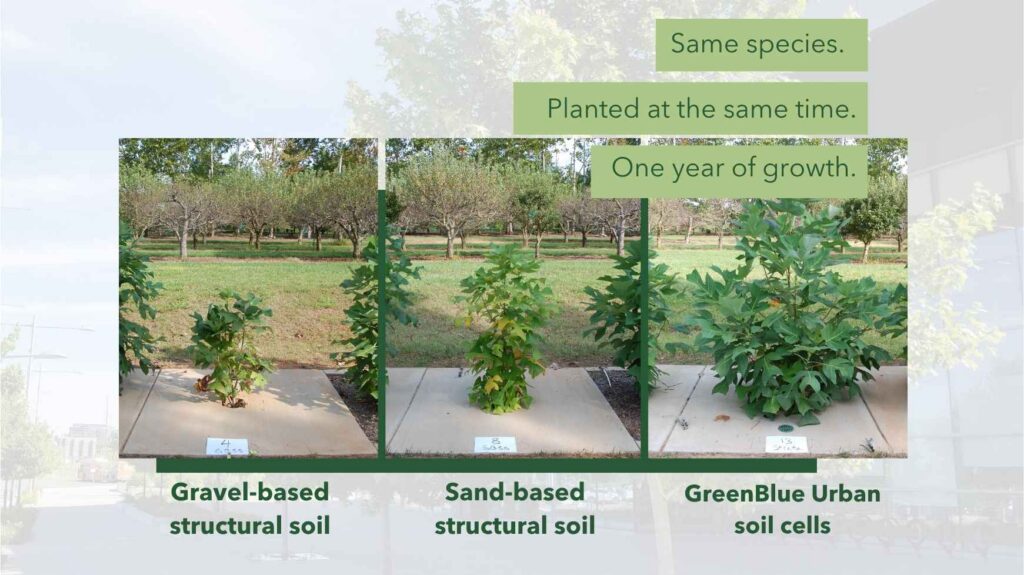
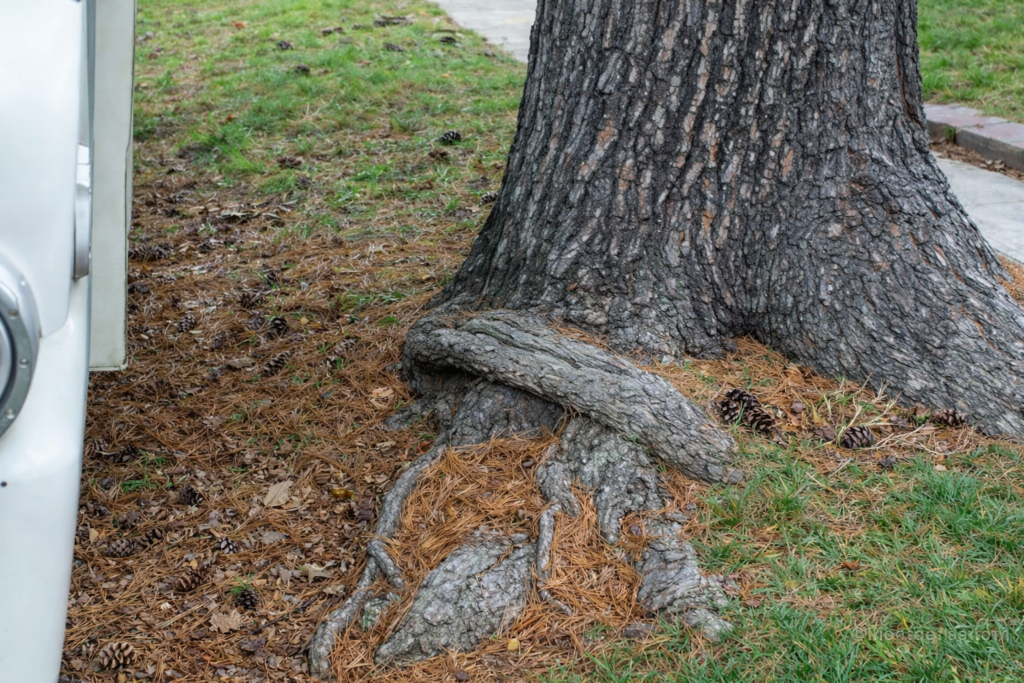
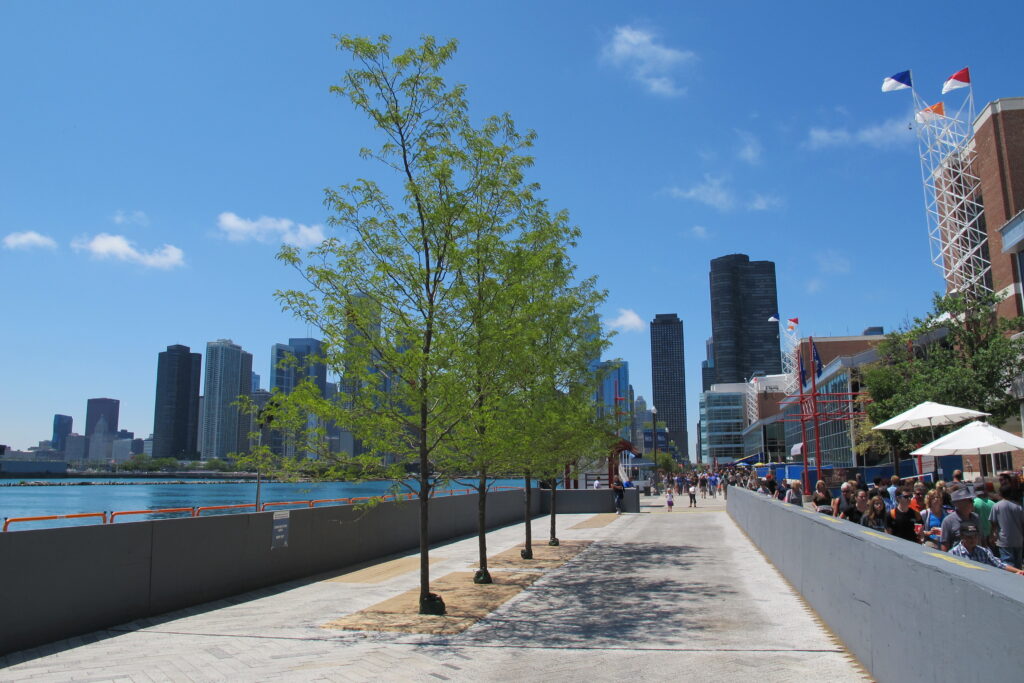
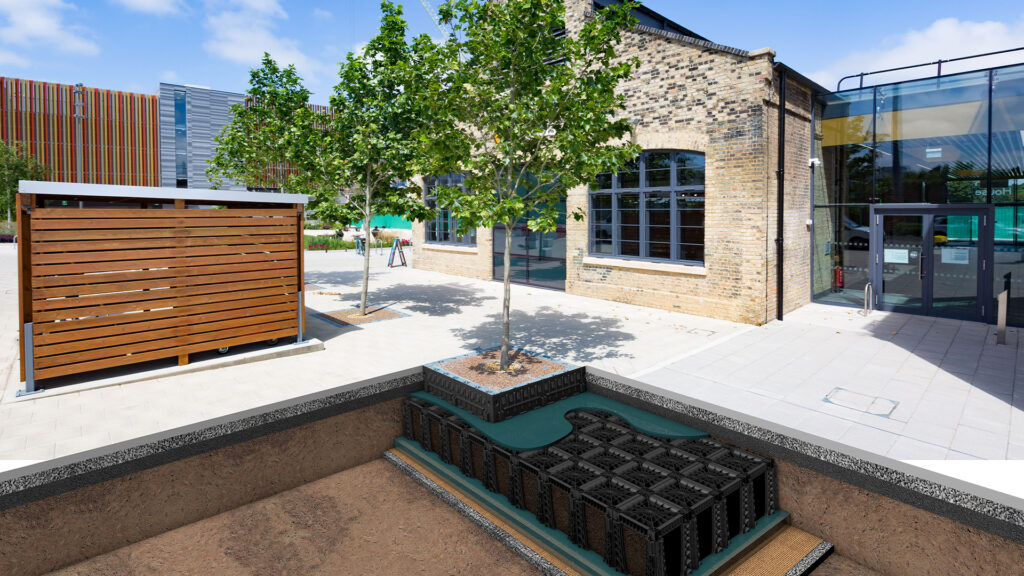
Soil in urban environments rarely provides the conditions trees need to grow and thrive. Limited rooting space, compaction, and conflicts with surrounding infrastructure all work against long-term tree performance.

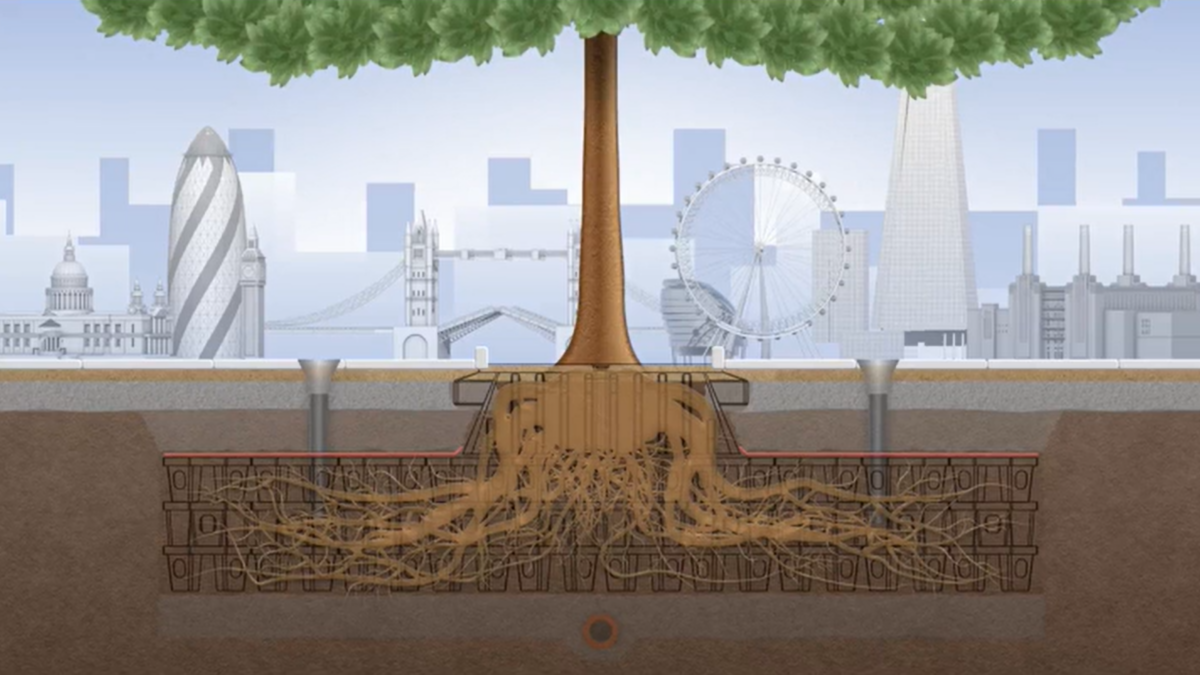
That’s why designers and contractors use soil cells — not just to support pavements, but to create a stable, healthy soil environment beneath them.

We’ve put together a short video that shows how crews install planting soil in a RootSpace® Soil Cell System. Soil placement plays such a critical role in long-term tree performance and pavement stability.

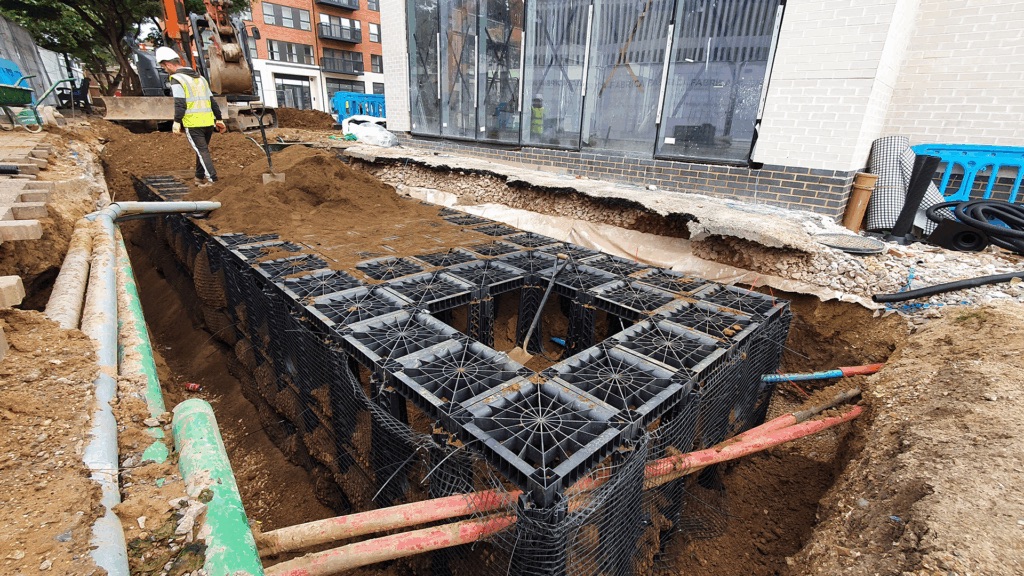
In the video, we walk through the process step by step. Installers place planting soil directly into open soil cells, compact it in controlled lifts, and verify density before installing the final lids. This method creates consistent density, prevents settlement, and supports healthy root growth beneath urban surfaces.


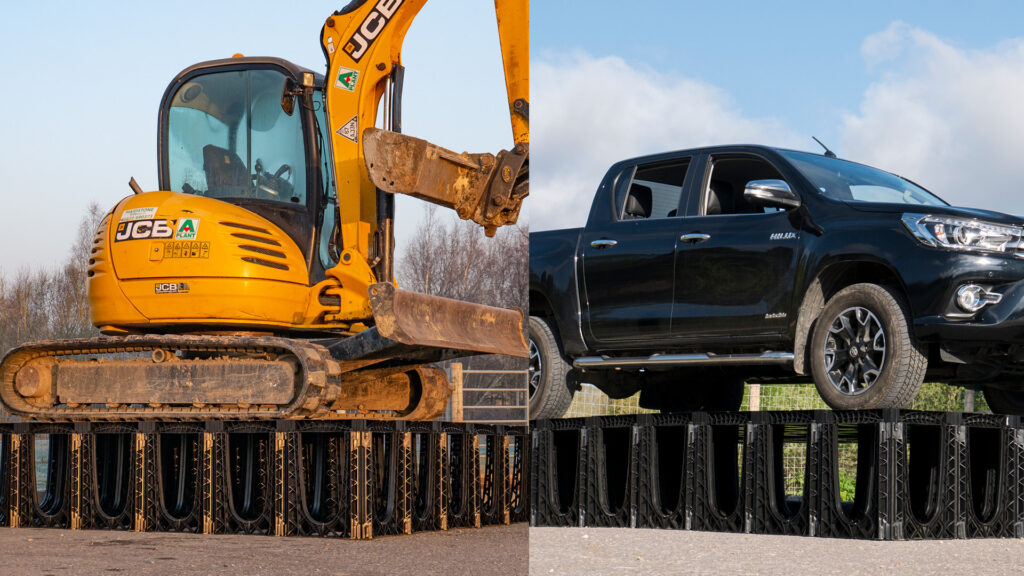
RootSpace® soil cells deliver a 97% void ratio, maximizing space for planting soil while allowing air, water, and roots to move freely throughout the system.

  • During installation, crews place soil directly into open soil cells rather than through the lids.
  • This open-top access allows installers to walk the system and evenly compact soil in controlled lifts, ensuring uniform density across the entire soil volume.
  • Along the perimeter, crews temporarily install lids for alignment, then remove them so they can top up, compact, and verify soil before securing the final lids.
  • Once crews fully fill and compact the system, they install the remaining lids.

This approach eliminates air pockets, prevents long-term settlement, and supports healthy root growth — all while maintaining pavement stability under heavy urban loads.

It’s a quick look at the installation details that make a lasting difference.
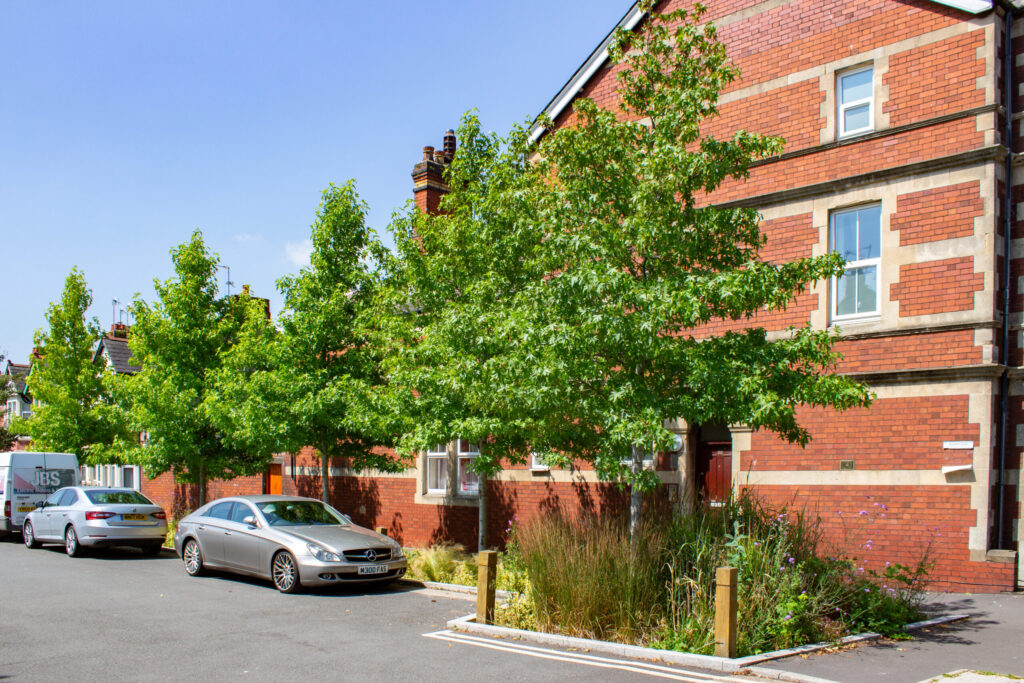
Raingardens are designed to manage rainfall where it lands. Instead of sending water straight into underground pipes, they slow, store and treat runoff at the surface, reducing pressure on drainage

Urban tree populations in cities around the world are under pressure. Despite the clear benefits trees bring, including cooling streets, managing stormwater, improving air quality and creating better places to

Urban trees don’t fail because of bad luck – most are set up to fail before they’re even planted. Traditional planting pits work against trees from the start: soil compaction,

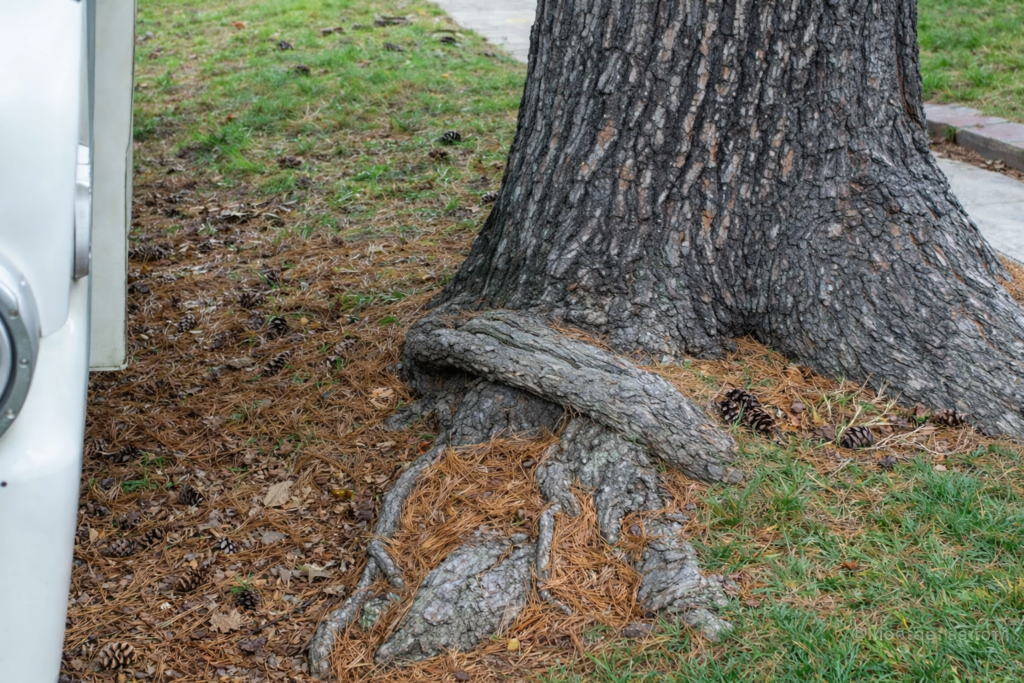
When the phrase root girdling appears in a specification meeting or planning discussion, it tends to stop the conversation cold. The challenge is that the term is often used loosely

One of the biggest challenges facing the urban greening industry today is how we respond effectively to the accelerating climate crisis. It’s also how we align as a sector to

Planting a tree is often framed as an act of optimism, a gesture toward a greener, more hopeful future. But with blossom trees, the thinking starts earlier: choosing the right

Sustainable Drainage Systems (SuDS) are most effective when they are treated as a core part of urban design rather than a technical exercise that sits at the edge of a

Designing urban landscapes that successfully support both healthy tree growth and the structural needs of pavements, pathways, and vehicle areas is a complex engineering challenge. Beneath the surface, the soil

For more than a decade, the UK has broadly agreed on the direction of travel for surface water management. Policy documents reference it. Guidance supports it. Demonstration projects prove it.

Our existing urban drainage systems are being asked to do far more than they were ever designed for. Denser development, hard landscaping, population growth and increasingly intense rainfall are combining

When the phrase root girdling appears in a specification meeting or planning discussion, it tends to stop the conversation cold. The challenge is that the term is often used loosely

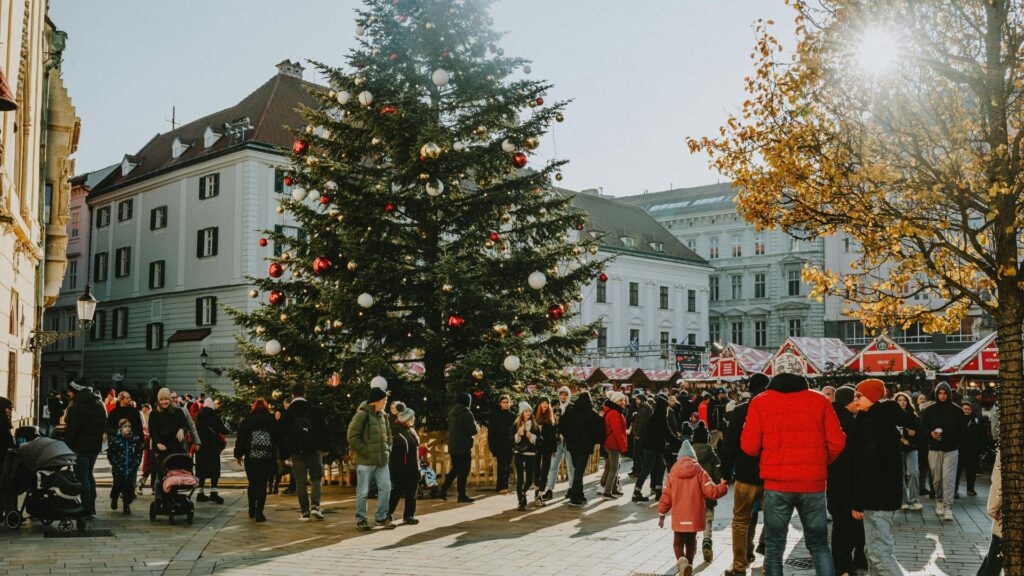
Each winter, towns and cities adopt a more festive character. Streets are illuminated, markets appear, and in many public squares a temporary Christmas tree becomes the focal point for seasonal

Urban environments are complex, high-demand spaces where every inch of land serves a function. Yet even in densely built areas, greenery is not optional — it’s essential. Street trees do

As cities continue to expand and the drive for greener, more liveable environments grows, the importance of healthy urban trees has never been clearer. Yet, for all the investment in

It may feel counter-intuitive to discuss heat stress as the nights are starting to turn colder, but the climate change data is unambiguous: hotter, drier summers and shorter, more intense

Cities across Canada are evolving. New developments are increasingly expected to serve multiple functions, moving people efficiently, offering access to nature, and protecting communities from both crime and climate-related risks.

Urban environments are complex spaces where every inch serves a purpose, yet greenery remains essential. Trees do more than beautify streets; they improve air quality, reduce urban heat, stabilise soil,

Cities across the United States are evolving. New developments are increasingly expected to serve multiple functions, moving people efficiently, offering access to nature, and protecting communities from both crime and

Most urban trees fail not because of poor species choice, but because their roots are starved of space and soil. The result? Shrinking canopies, failed specs, and wasted investment. Autumn

When we think about the infrastructure that keeps cities running, we picture roads, drains, cables and pipes. Yet beneath our feet lies another form of infrastructure that is just as