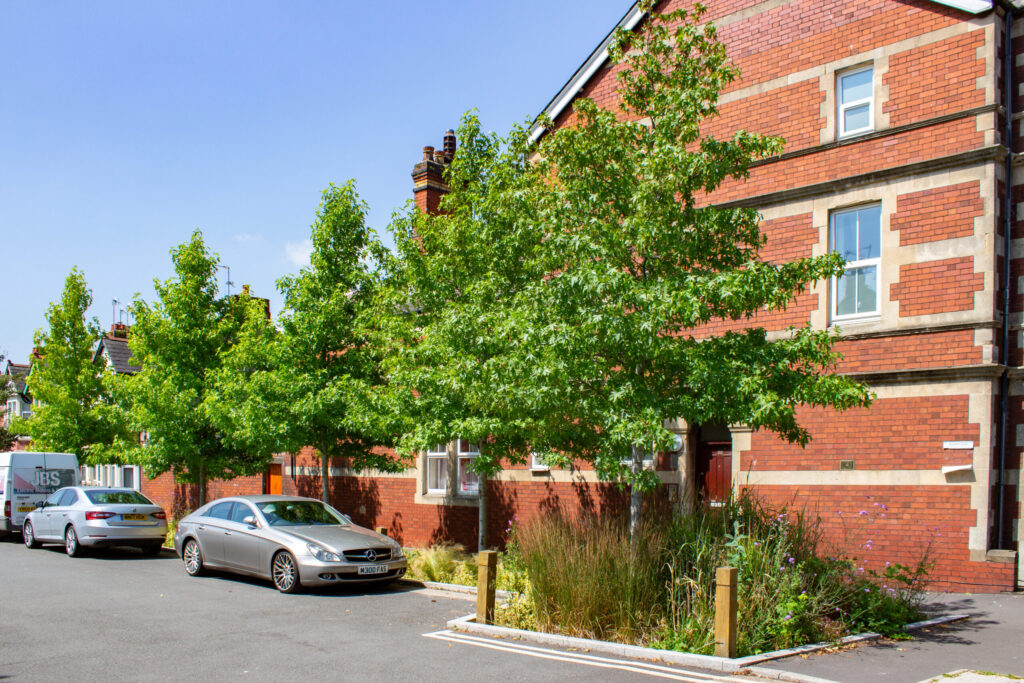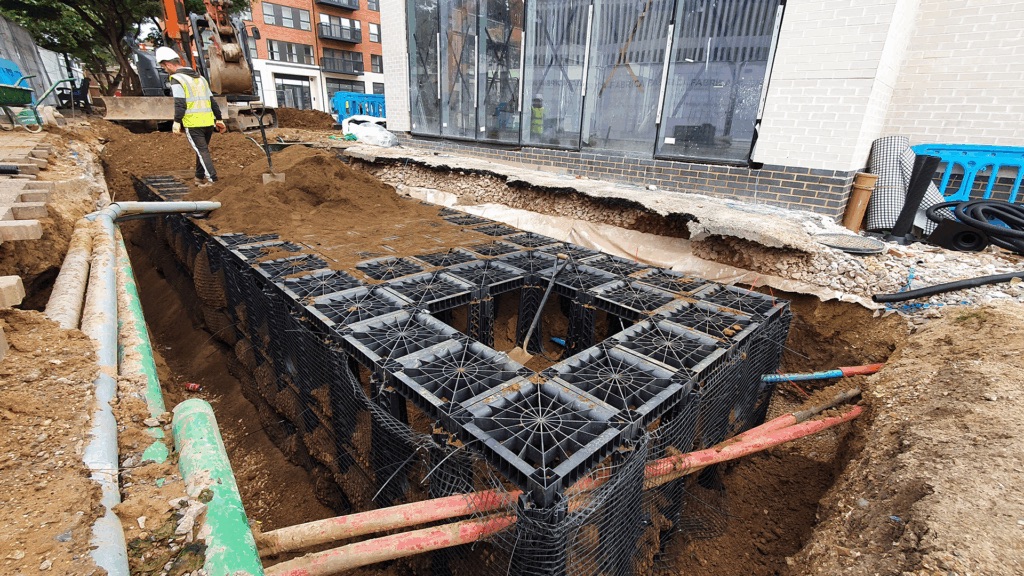
One of the biggest challenges facing the urban greening industry today is how we respond effectively to the accelerating climate crisis. It’s also how we align as a sector to support an integrated approach, one that considers both mitigation and adaptation to reduce emissions, manage stormwater, address the urban heat island effect, and ultimately help slow global warming.
The crisis is clear and it’s happening now. Those working across the planning, design, delivery, and stewardship of our urban environments all have a direct role in shaping how cities and towns respond.
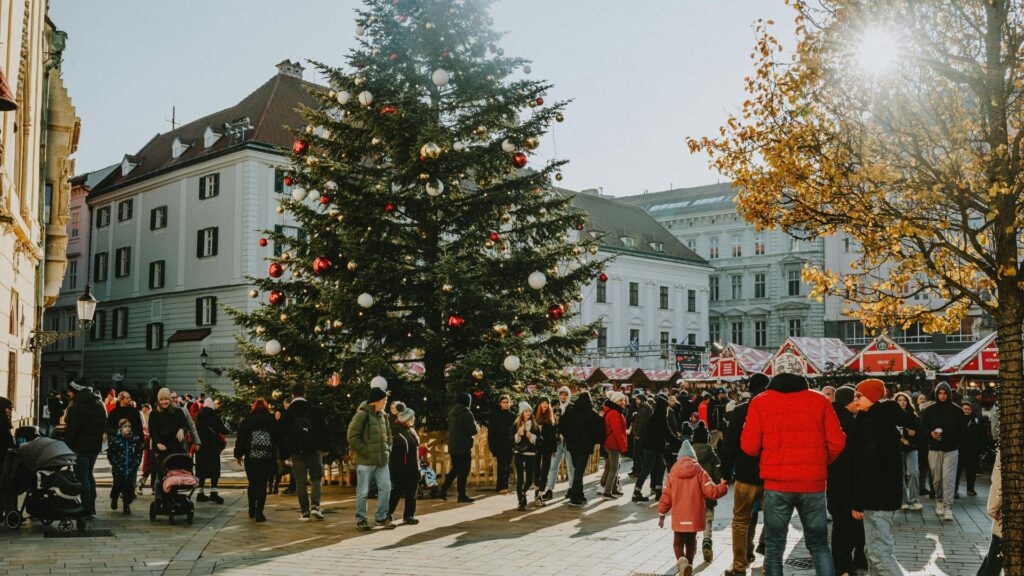
Trees are one of the most effective tools we have to improve air quality, manage stormwater runoff, cool streets, support biodiversity, and create healthier places for people. But these benefits depend on one thing: whether the tree survives long enough to mature.
Long-term tree health is not achieved through planting alone. It requires the right design decisions from the beginning, especially below ground.
Designing for the Long Term
With climate targets becoming more urgent, the industry needs to think long term. Planners and clients increasingly recognize the importance of trees and want them to be given the space and support they deserve in new developments. But we know planting a tree is only the beginning.
For a tree to truly succeed as part of an urban ecosystem, it must be installed in a way that supports growth, root development, drainage, and resilience over decades — not just in the first few years.
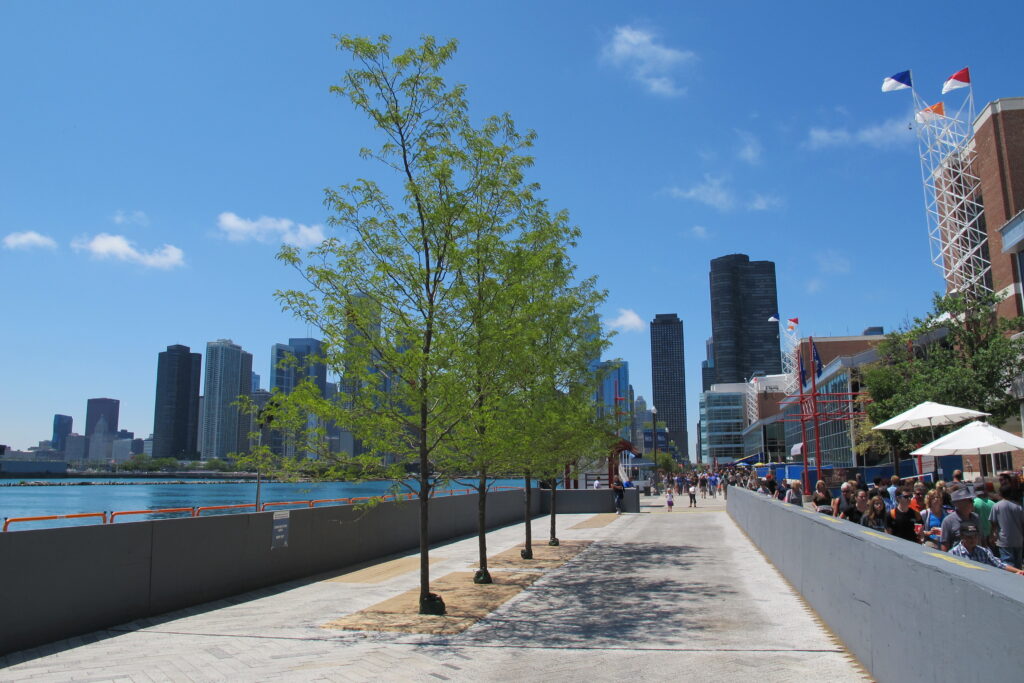
Challenging Compromises
It isn’t always straightforward. Urban projects are shaped by multiple stakeholders, competing priorities, and complex site conditions. Planners, civil engineers, landscape architects, contractors, and arborists are all working to create environments that are functional, attractive, and sustainable — places where trees are given the space, soil, and long-term support they need to thrive.
Yet these ambitions often collide with practical constraints: limited right-of-way, underground utilities, budget pressures, and demanding construction schedules. Decisions made at different stages of a project can unintentionally compromise tree pit design, soil volume, or rooting environments. The result is too often trees that struggle to establish, fail to reach maturity, and ultimately fall short of delivering their full environmental, social, and economic value.
The focus must shift toward creating long-lived, resilient urban trees. Achieving this requires collaboration across disciplines, supported by high-quality design, informed specification, and careful attention to detail from the earliest planning stages through to installation and long-term management.
Comparing the Alternatives
A common question is: “Can we get away with a cheaper alternative?” The short-term appeal is obvious, but the long-term risks are often overlooked.
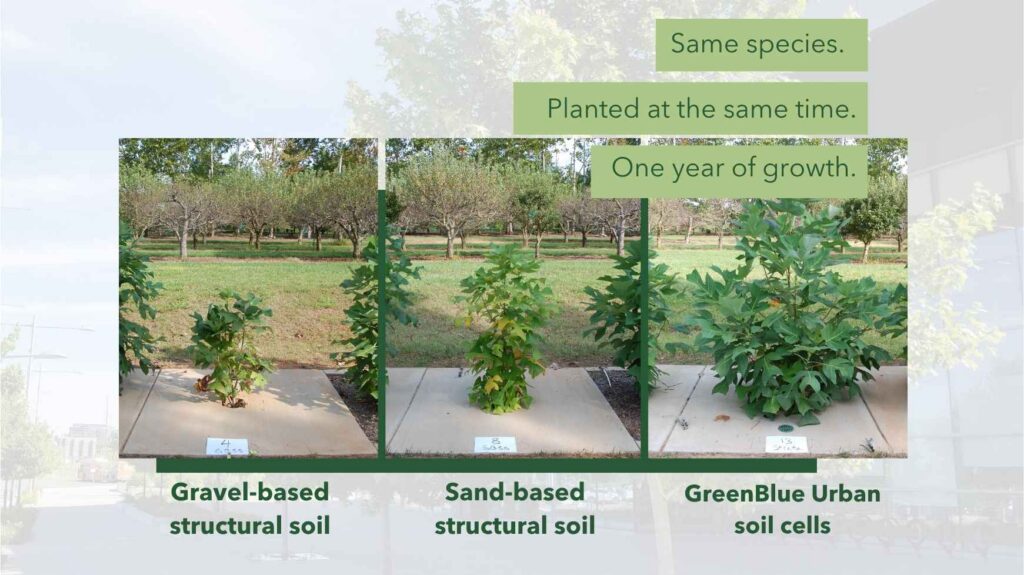
The use of basic planting media such as sand or structural soil can tempt project teams to reduce specification standards. Unfortunately, the consequences of these approaches are well known, particularly when they fail to provide the oxygen, water movement, and rooting space that trees require.
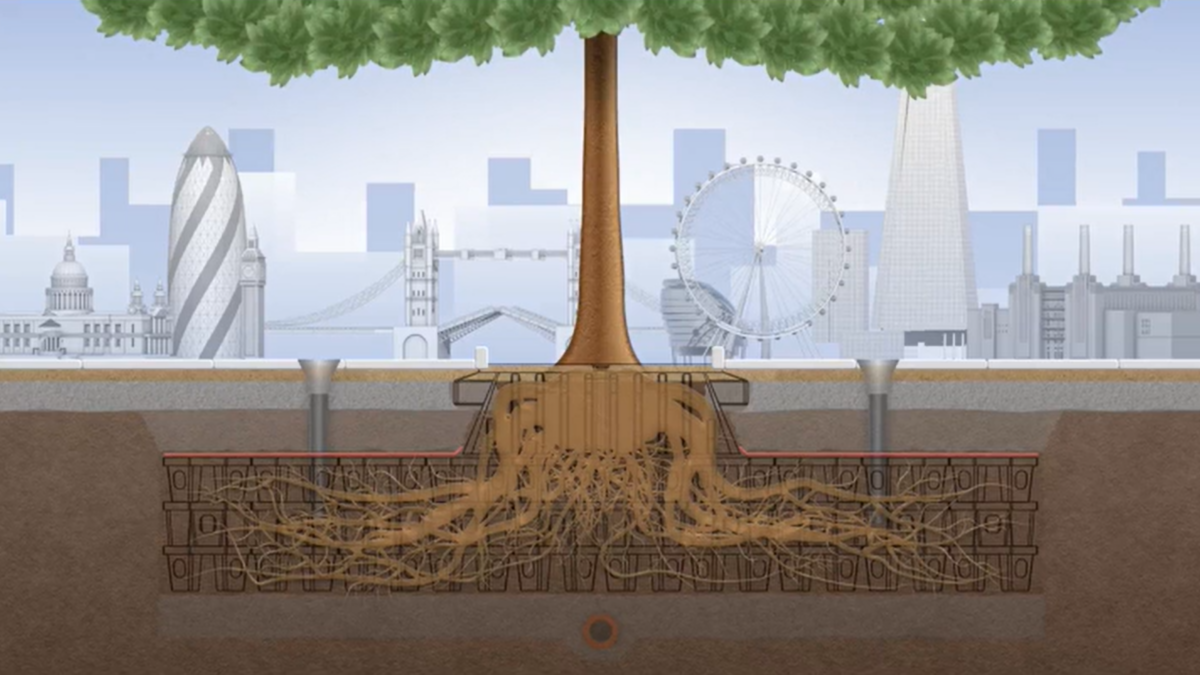
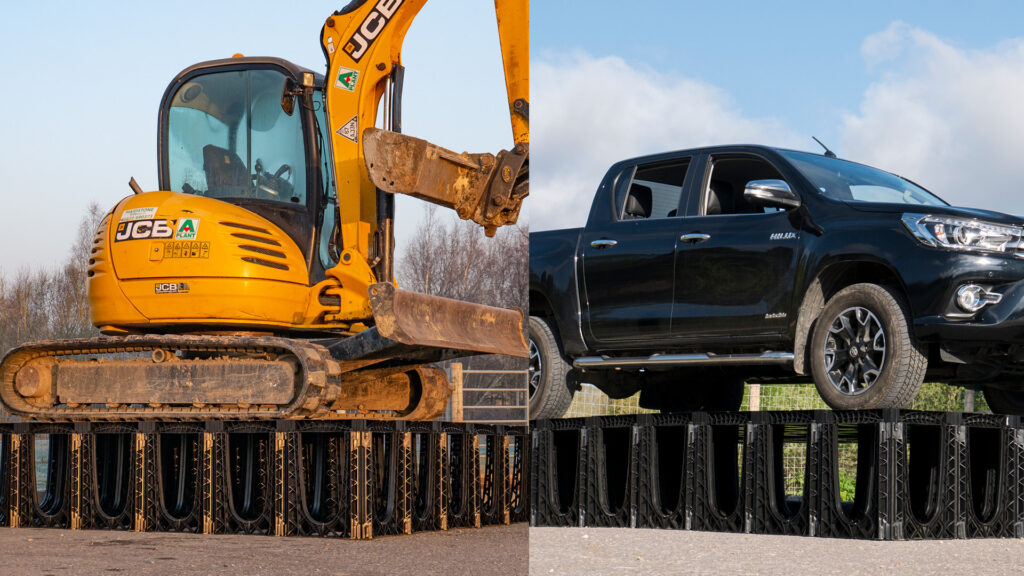
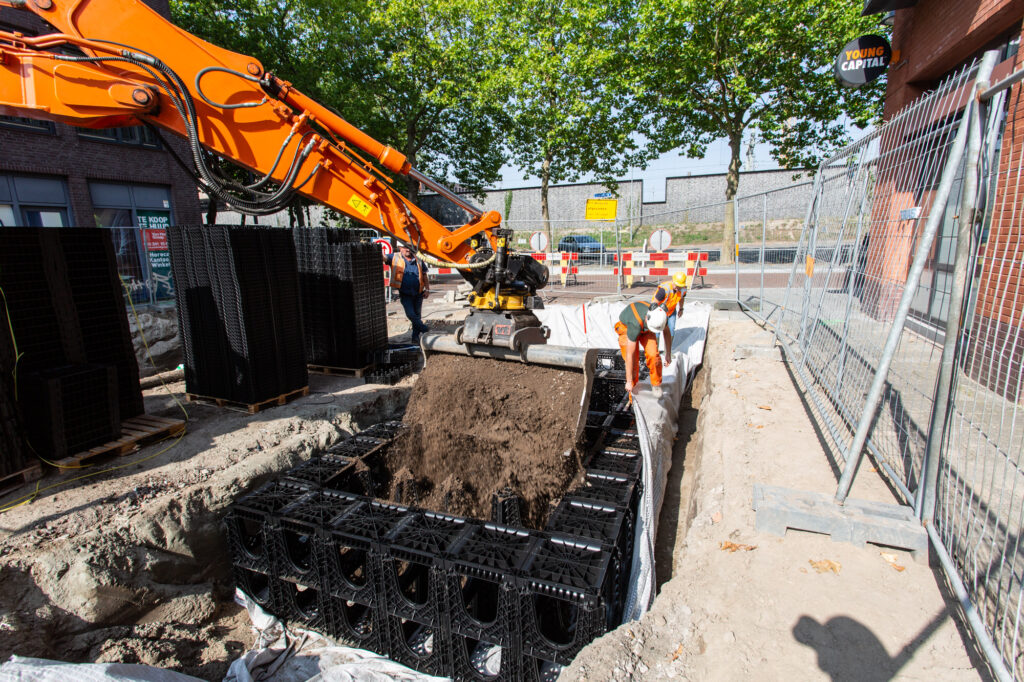
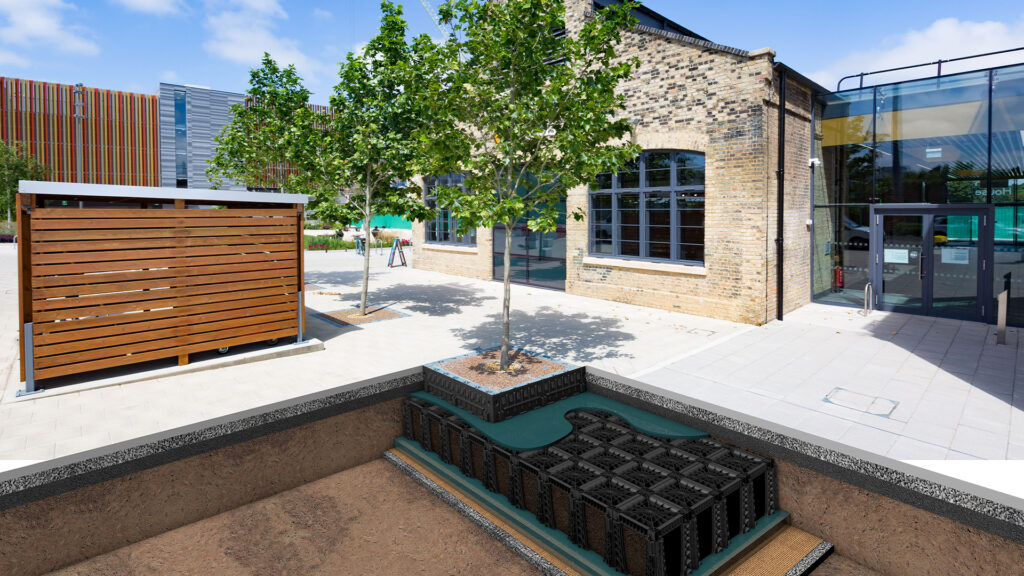
In complex urban environments, long-term tree health depends heavily on below-ground conditions. Systems that provide adequate soil volume, structural support, and improved aeration consistently outperform traditional alternatives, particularly in terms of drainage and root development.
Over time, these differences show up in establishment rates, canopy growth, and overall tree resilience. Soil cells (like RootSpace) are one example of a solution designed to address these challenges.
Why Do Urban Trees Fail Before Maturity?
Urban trees are planted with the intention of delivering long-term environmental, social, and economic value. Yet across many towns and cities, trees are routinely replaced long before they reach maturity — not because the ambition is wrong, but because the conditions needed for success are often overlooked.
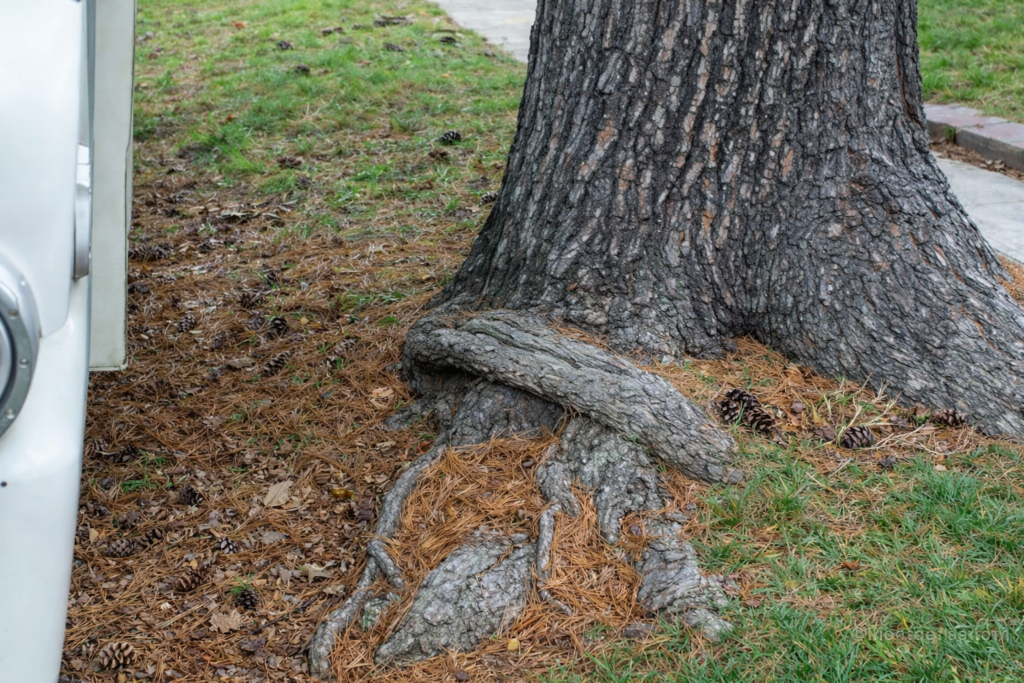
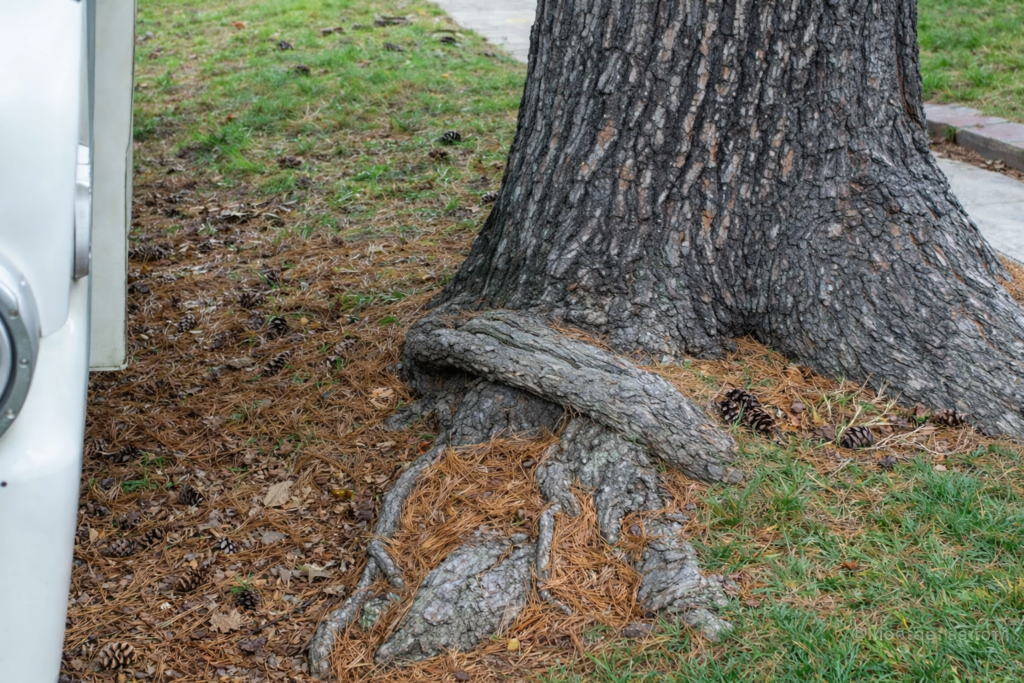
Tree failure rarely stems from a single decision. More often, it is the cumulative result of pressures throughout the project lifecycle. Soil volumes may be insufficient, rooting space restricted, or installation compromised, leaving trees unable to establish resilient root systems.
When these constraints happen early on, the outcome is predictable: trees survive rather than thrive. They remain small, become stressed, decline prematurely, and require replacement before delivering their intended benefits.
Understanding why this happens is essential. Successful urban greening depends not just on planting more trees, but on creating the right conditions for them to grow, mature, and contribute meaningfully to healthier, more resilient cities.
Replanting Isn’t Sustainability
Over time, poorly supported urban trees often decline and must be replaced. But planting a new tree into the same substandard conditions only repeats the problem. A tree’s success is rarely determined by the tree alone; it is determined by the environment built around it.
Frequent replacement also creates disruption for site managers, local authorities, and communities, while reducing the continuity and long-term environmental value that mature trees provide. Healthy, long-lived trees are essential if we want urban greening strategies to deliver meaningful results.
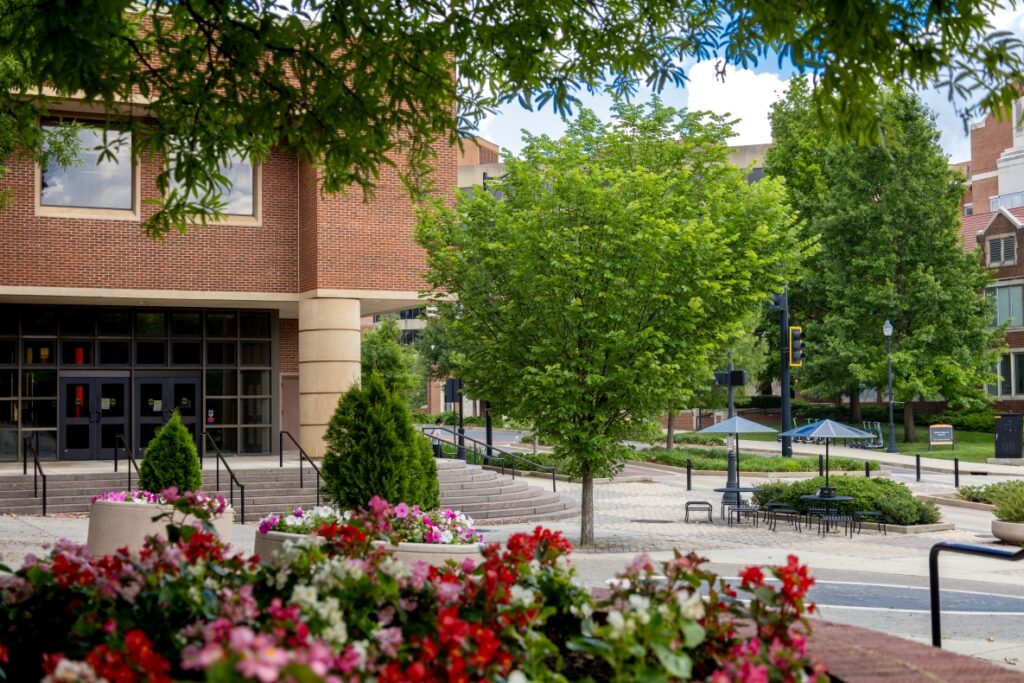
A Smarter Approach to Resilient Urban Trees
Long-term tree health needs to be addressed at the design stage, not treated as a future maintenance issue.
When trees are given the correct soil volume, structural support, and access to water and oxygen, they are far more likely to thrive. That success benefits everyone involved, from developers and municipalities to the communities they serve.
GreenBlue Urban works with project teams to help ensure these fundamentals are properly considered and delivered on site. With a strong technical focus on soil volume, rooting environments, and long-term performance, the goal is to support healthier establishment and more resilient urban trees in challenging built conditions.
Helping You Make the Case for Healthy Trees
Making the case for healthy trees often comes down to clear, evidence-led design decisions. Tree performance is directly shaped by what happens below ground, and successful projects are usually those where soil volume, rooting space, drainage, and aeration are properly planned from the outset.
With the right technical input early in the process, tree planting can shift from a short-term requirement to long-term green infrastructure that supports healthier streets and more resilient urban environments.
To discuss how to design for long-term urban tree health on your next project, contact GreenBlue Urban’s technical team at inquiries@greenblue.ca.