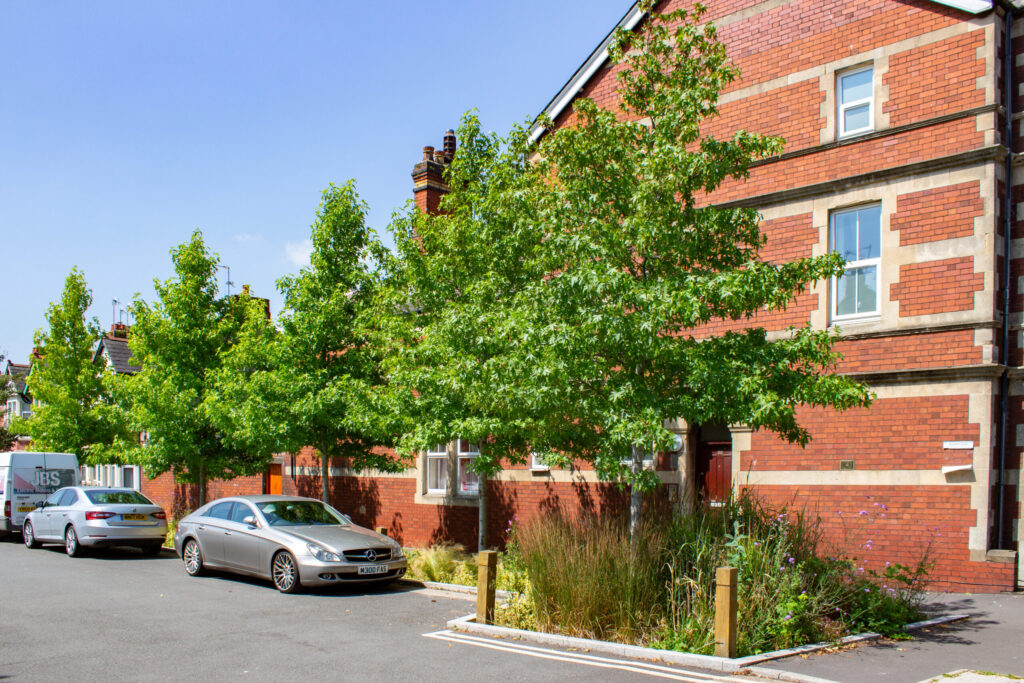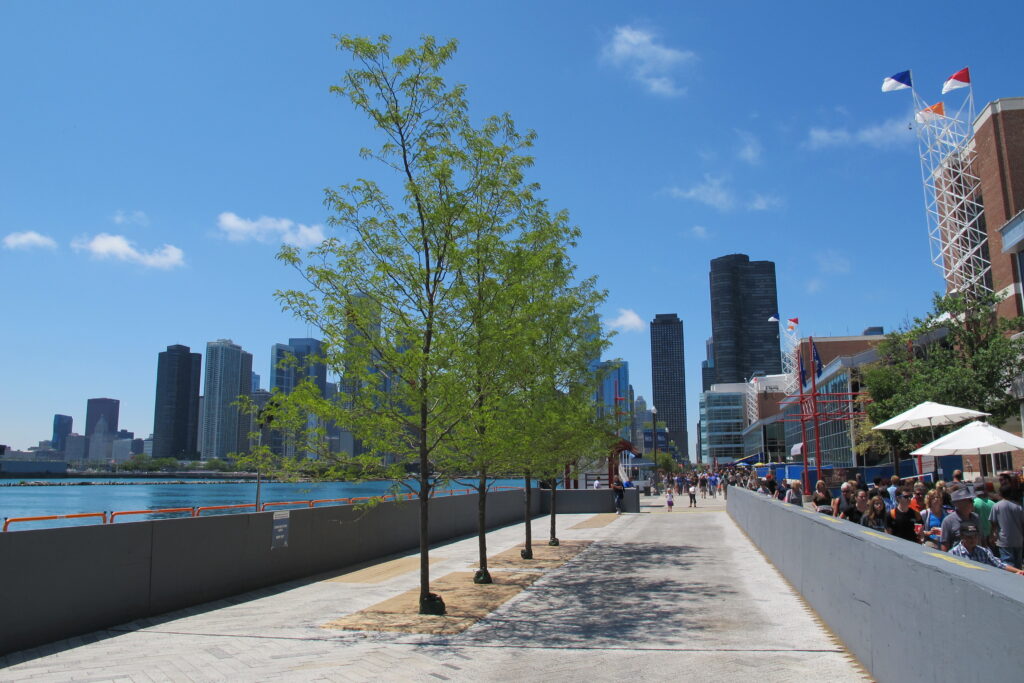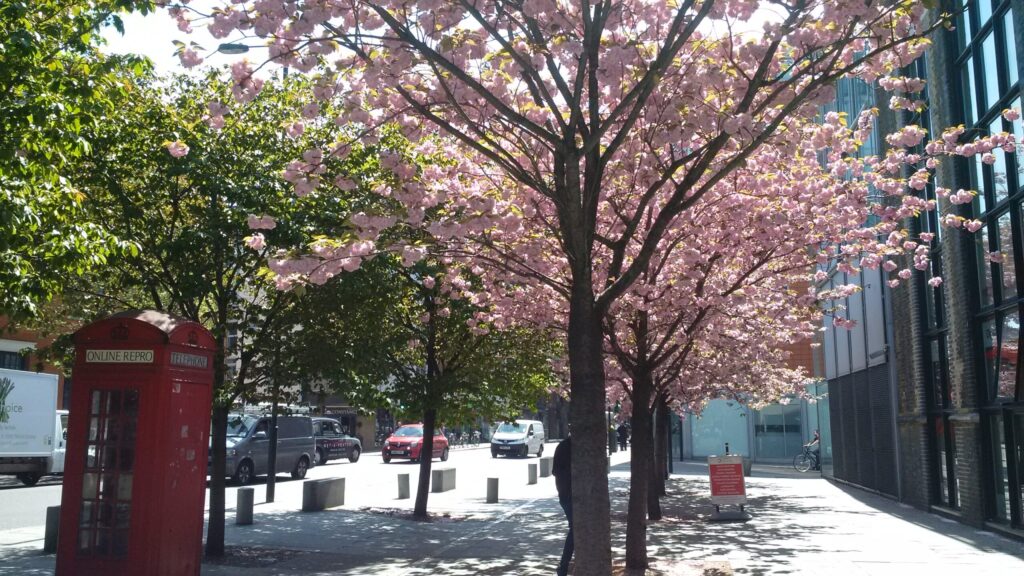
Urban tree populations in cities around the world are under pressure. Despite the clear benefits trees bring, including cooling streets, managing stormwater, improving air quality and creating better places to live, too many fail to establish, or never reach their full potential.
Successful urban trees are the result of careful, considered design, where soil volume, water availability, rooting space and overall site conditions are planned to function together over time.
In the built environment, trees depend on the systems around them to survive and develop, and their success is determined long before they are planted.
Start with the Space to Grow
One of the most common reasons urban trees fail is simple: they run out of room. Designing a tree pit based purely on the size of a pavement opening is not enough. It restricts root development from the outset and limits the tree’s ability to access water, nutrients and oxygen.
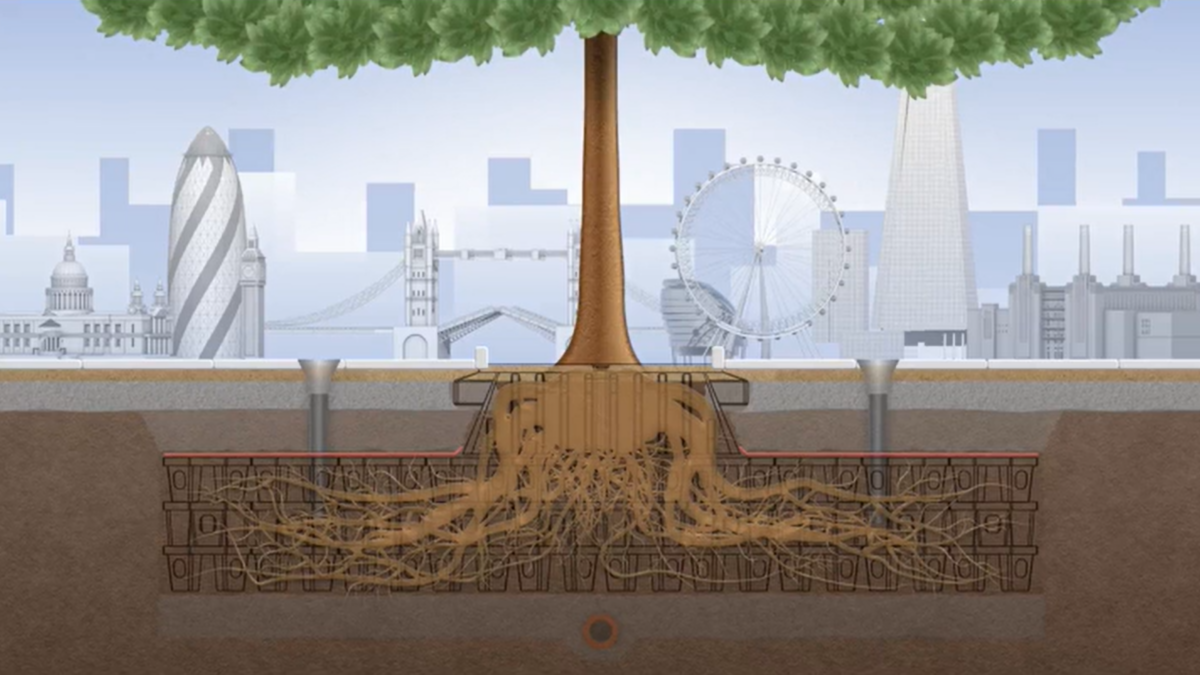
A more reliable approach is to design soil volume around the mature canopy size. As a guide, the projected canopy area should be multiplied by a depth of 600mm to estimate the minimum required soil volume. The focus should be on providing enough usable soil wherever space allows to support healthy growth over the long term.
Balance Engineering and Biology
Urban trees rarely exist in isolation, instead they sit alongside highways, utilities and heavily engineered surfaces. This creates a fundamental tension between:
- Engineering requiring strength and stability
- Trees requiring loose, uncompacted, biologically active soil
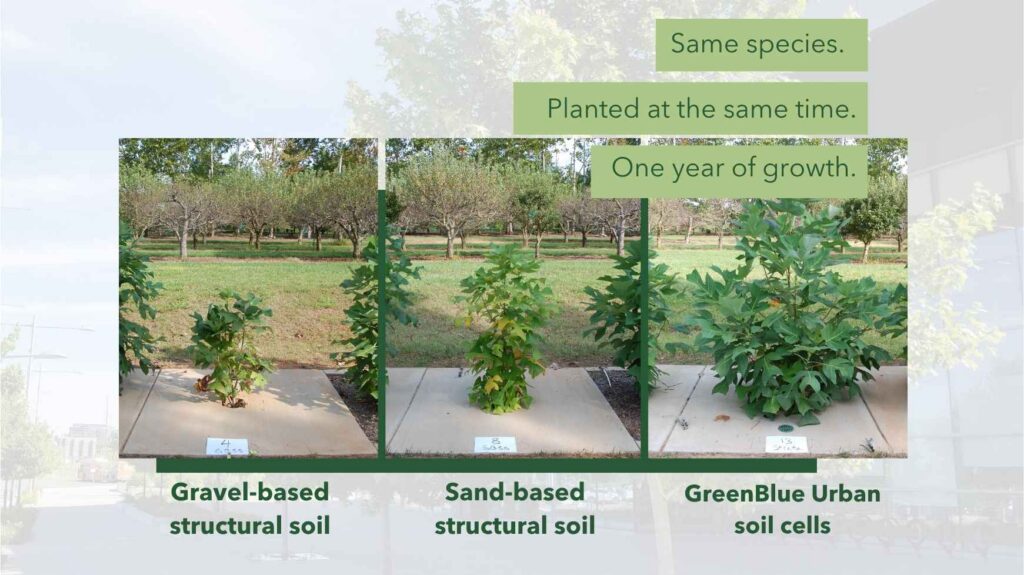
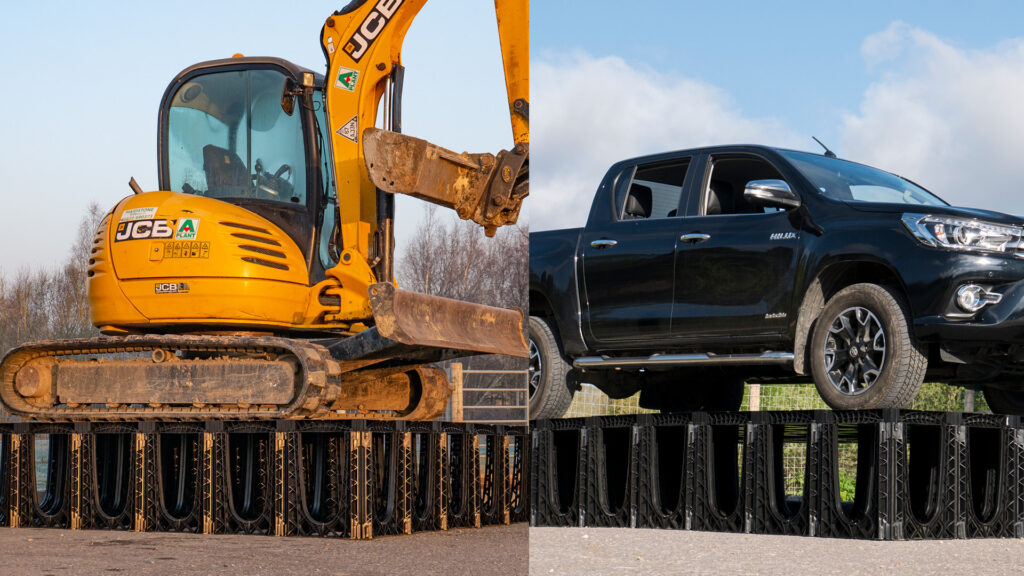
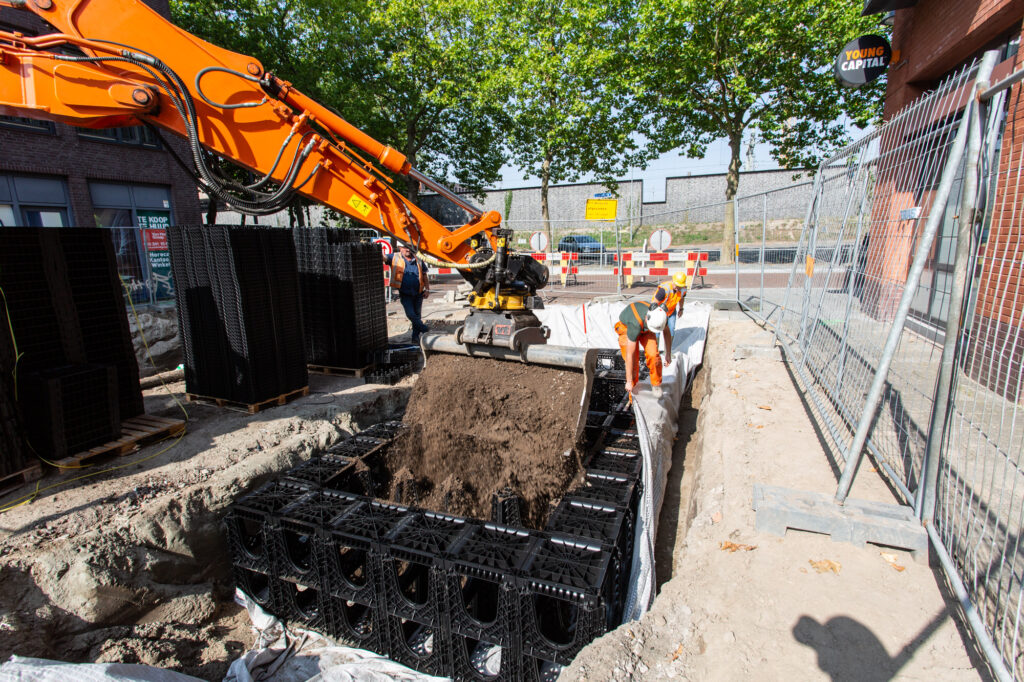
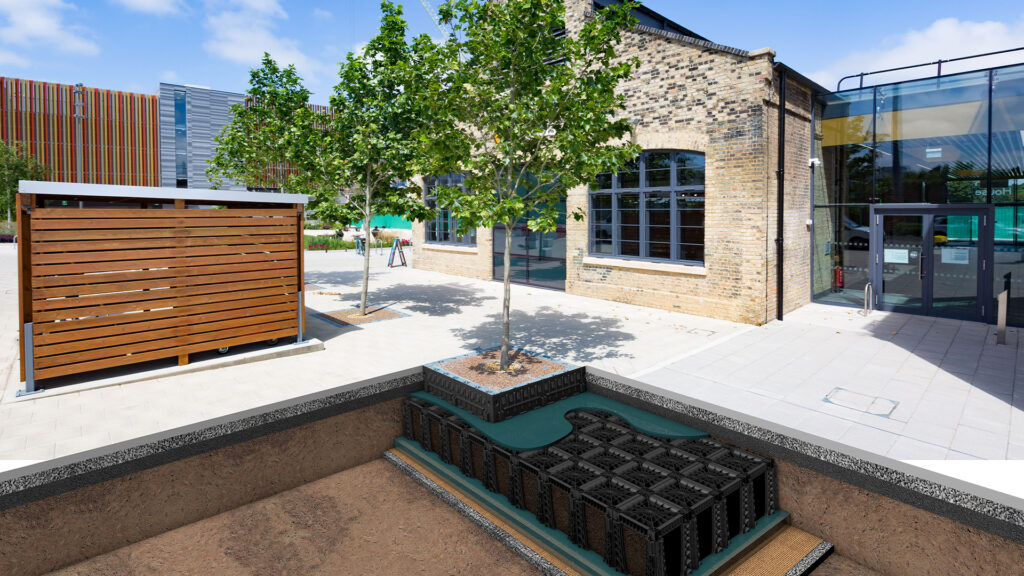
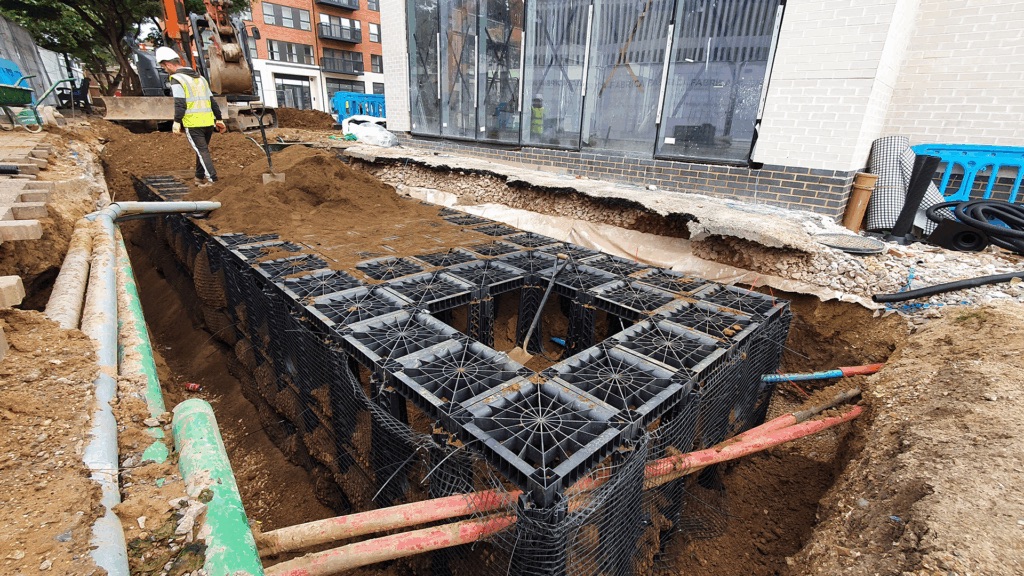
Bridging this gap is critical to a scheme’s success. Structural soil cells allow usable soil volume to extend beneath hard surfaces without compromising structural integrity. These systems often work better when considered early, ideally at the same stage as highways and infrastructure design. This allows them to be more easily coordinated with surrounding elements and integrated into the overall design of the scheme.
Manage Roots, Don’t Restrict Them
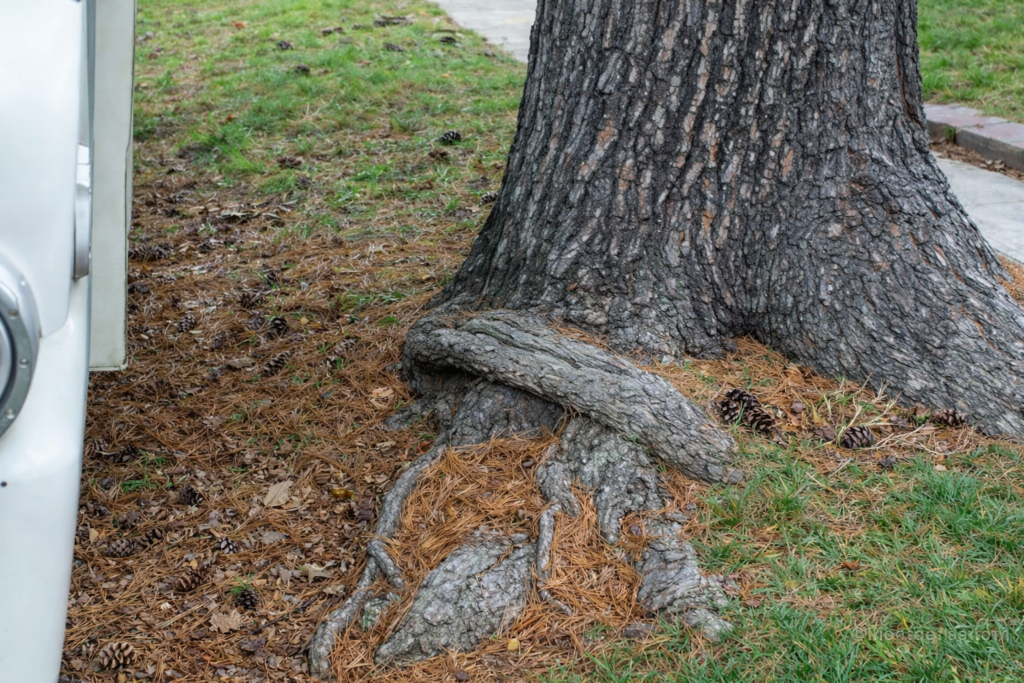
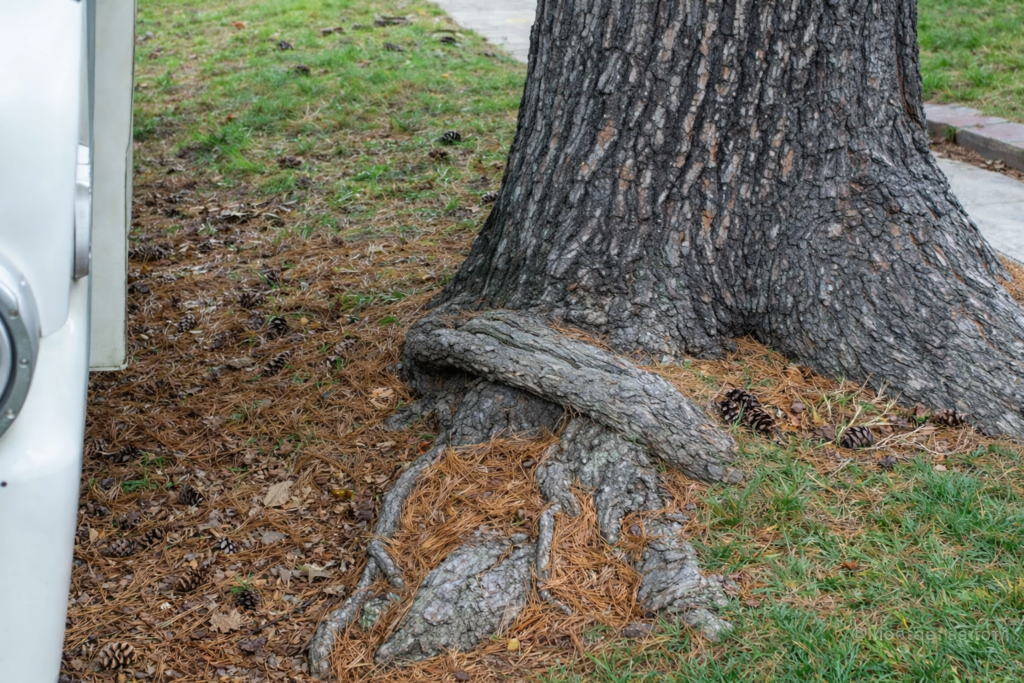
Tree root growth is driven by the conditions within the soil environment, including available space, water and oxygen. Without guidance, they will exploit the easiest route, often lifting paving, disrupting surfaces or interfering with nearby infrastructure.
Effective root management provides the conditions for roots to establish and develop in the right direction.
In paved environments, roots should be encouraged to grow downwards and away from sensitive surfaces. Root barriers and deflectors can be used to protect infrastructure while still allowing the tree to access the volume it needs.
Done properly, this reduces future maintenance issues and protects both the tree and the surrounding environment.
Water: The Make-or-Break Factor
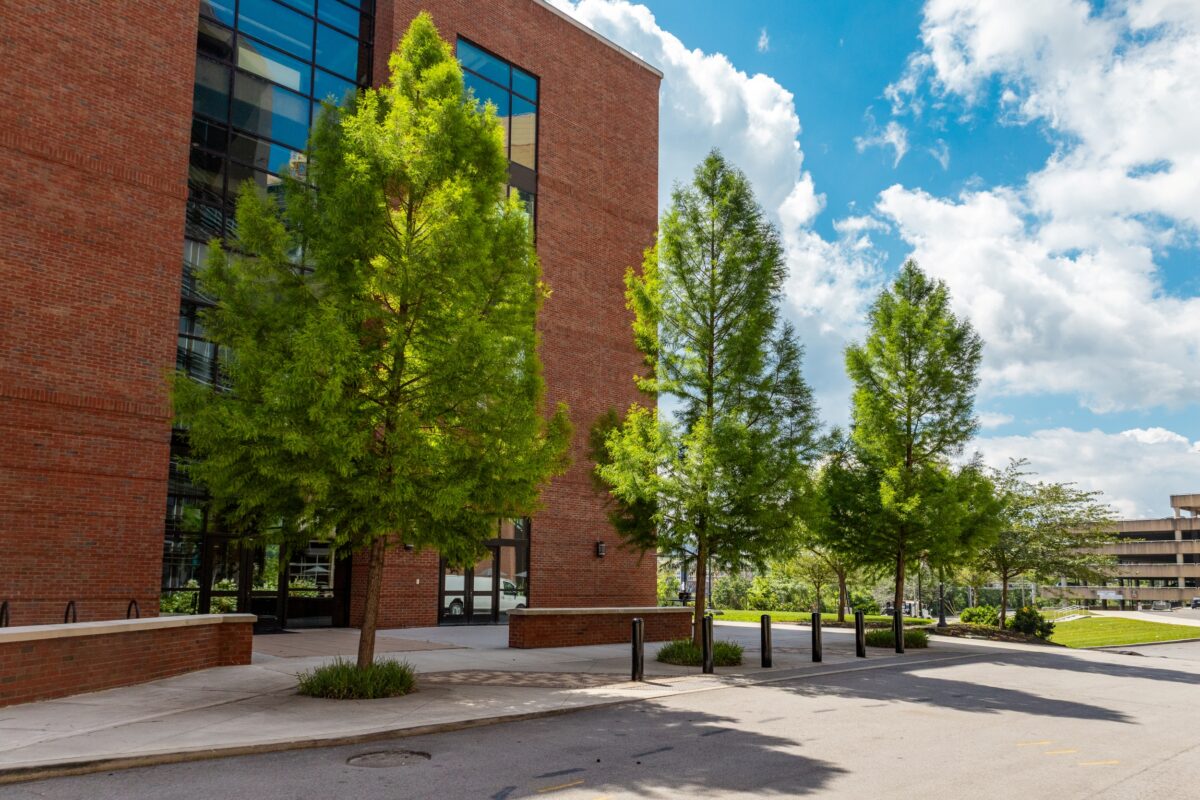
The biggest cause of tree failure isn’t vandalism or poor planting technique; it’s lack of water.
Newly planted trees are particularly vulnerable during their establishment phase. Without a reliable way to deliver water directly to the root zone, survival rates drop significantly, especially during extended periods of warm and dry weather which are becoming increasingly common in the UK.
Irrigation systems should be designed into the tree pit from the outset, ensuring water reaches where it’s needed most, below the surface, at root level. This is especially critical in the first three years, when the tree is establishing itself.
Get Drainage Right
While trees need water, they also need the right balance. Poor drainage can lead to waterlogged, oxygen-starved soils, creating anaerobic conditions that roots simply cannot survive in.
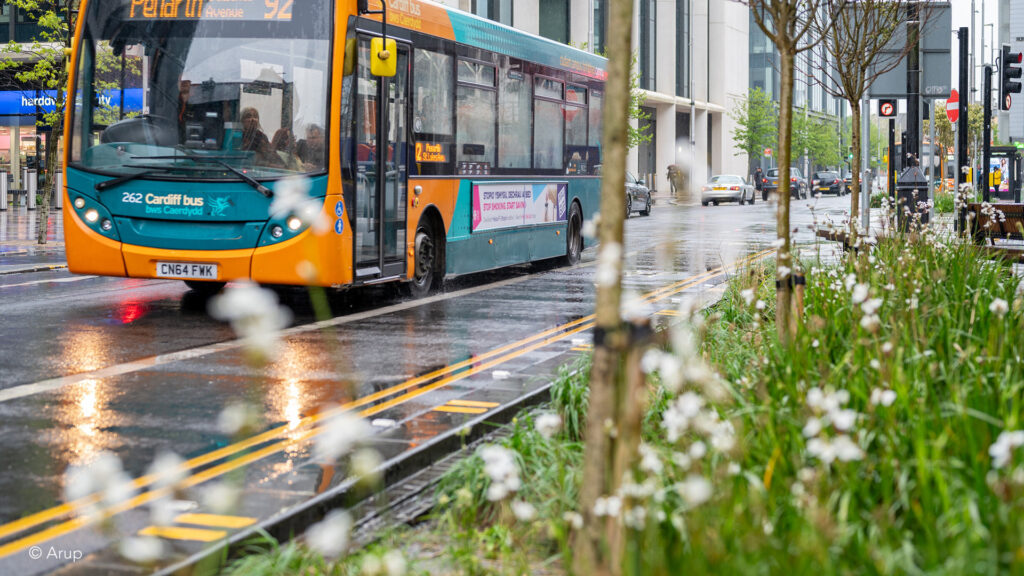
Urban sites often present unpredictable ground conditions, so drainage must be considered early in the design process. Whether through permeable layers, drainage connections or integrated SuDS strategies.
Don’t Forget Air
It’s easy to focus on water and soil, but trees need something else just as much: Oxygen.
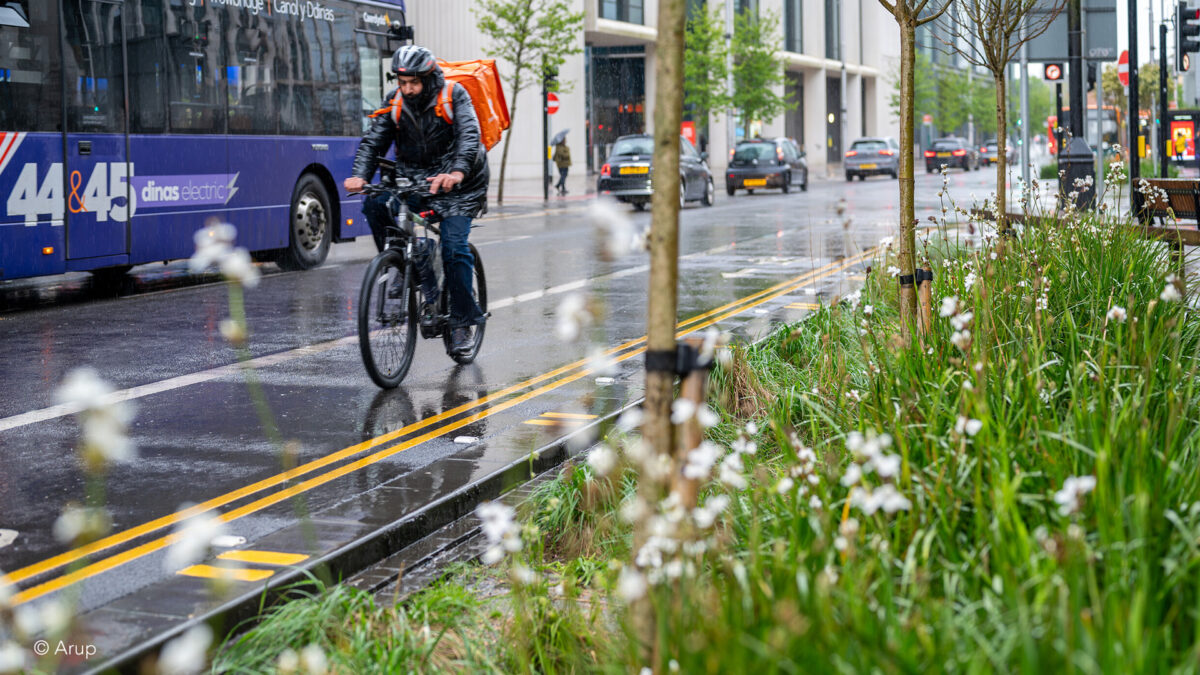
In many urban environments, tree pits are covered with impermeable surfaces. Without a way for air to reach the soil, roots are effectively suffocated. Aeration systems enable vital gaseous exchange below ground, supporting healthy root function and long-term growth.
It’s a detail that is often overlooked but makes a significant difference to performance.
Secure the Tree Properly
Successful establishment relies on both below-ground conditions and above-ground stability.
Young trees need stability while their root systems develop. In urban environments, underground guying is often the preferred approach, providing secure anchorage without visual clutter or long-term maintenance issues.
Above-ground staking can work, but it requires ongoing management and if neglected, can cause more harm than good.
Protect What You’ve Built
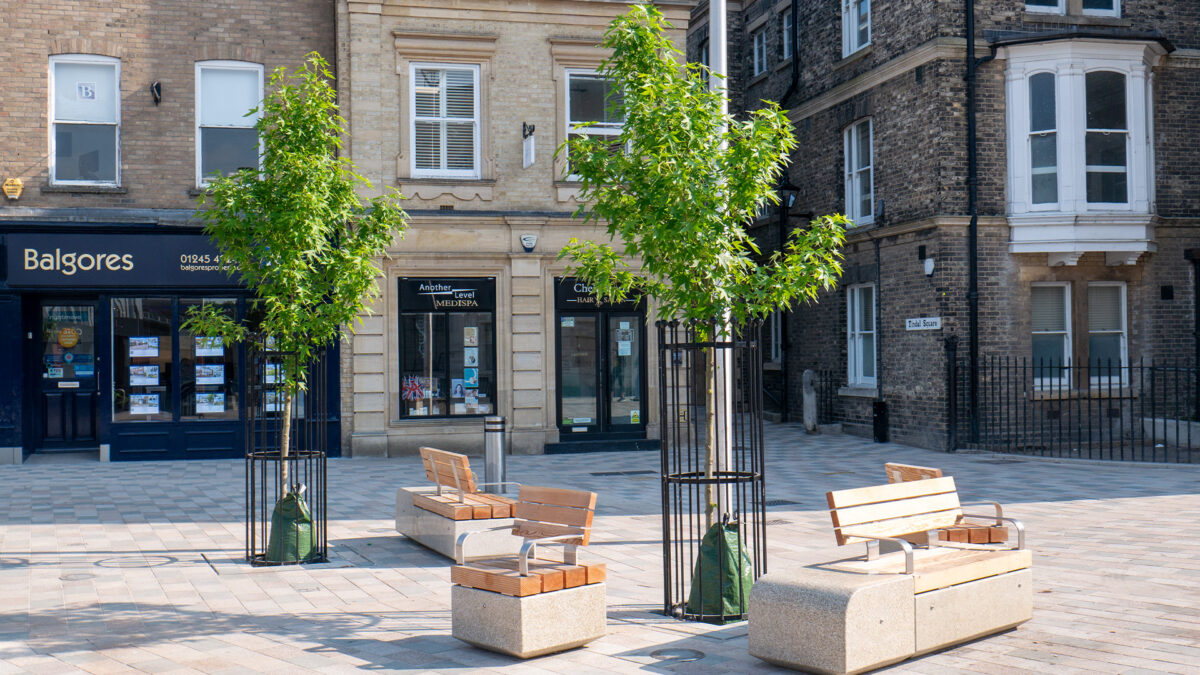
Urban environments are tough. From accidental damage to vandalism, newly planted trees can be vulnerable. Depending on the setting, protective measures such as tree grilles or guards may be necessary to ensure survival during the early years. These elements should be considered as part of the overall design, not added as an afterthought.
Design for Success from the Start
Over 90% of urban tree failures can be traced back to a small number of factors:
- Insufficient soil volume
- Poor water management
- Lack of aeration
- Conflict with infrastructure
- Inadequate protection
All of these are avoidable. They are design challenges and when addressed quickly, they can be resolved.
Building Trees That Last
Urban trees are some of the hardest-working pieces of infrastructure in our cities, but they can only deliver value when the conditions around them support healthy growth.
That means thinking beyond the moment of planting, and designing for decades of performance, integrating soil, water, air and structural support as part of a coordinated system.
When these elements are properly integrated, trees can establish, develop and contribute consistently over time, improving environmental performance and enhancing the quality of the spaces around them.