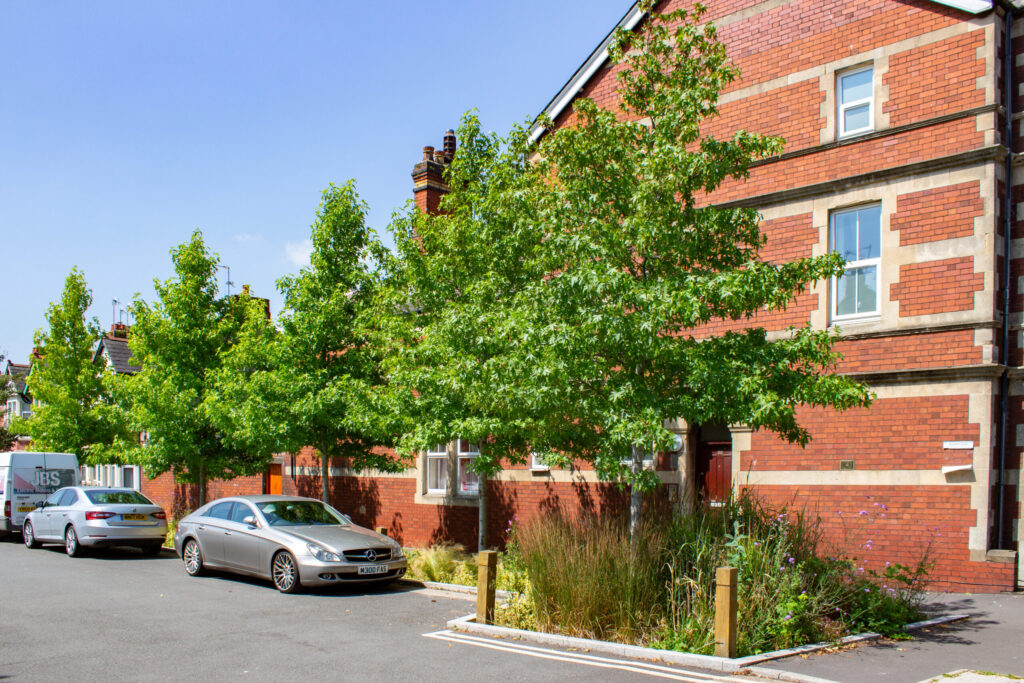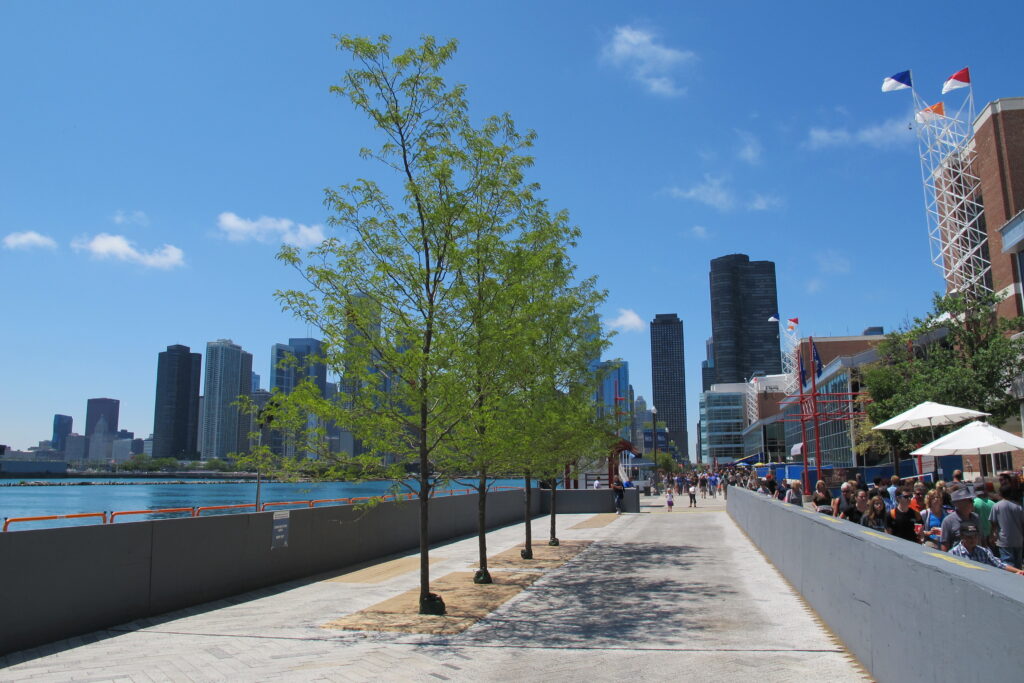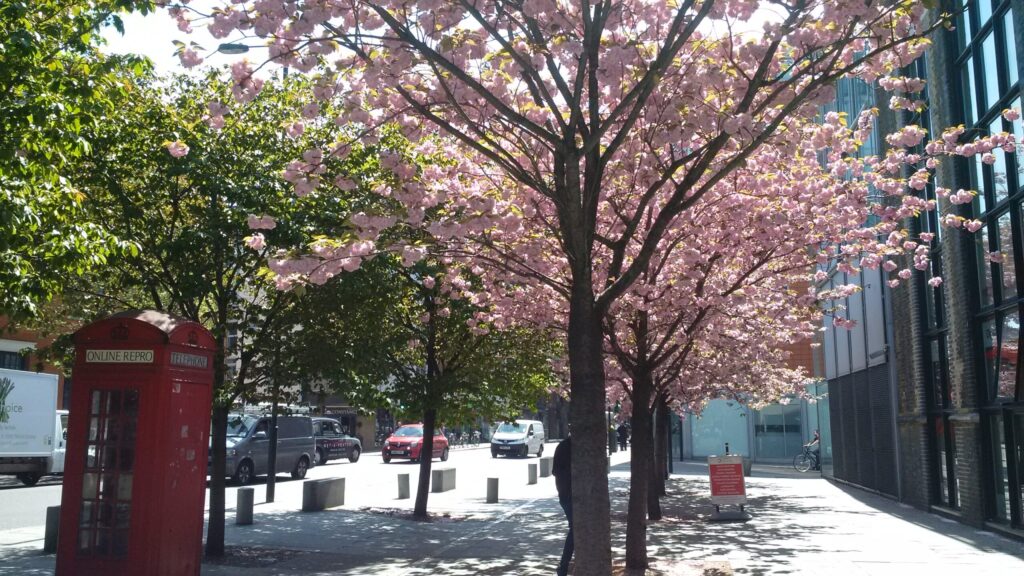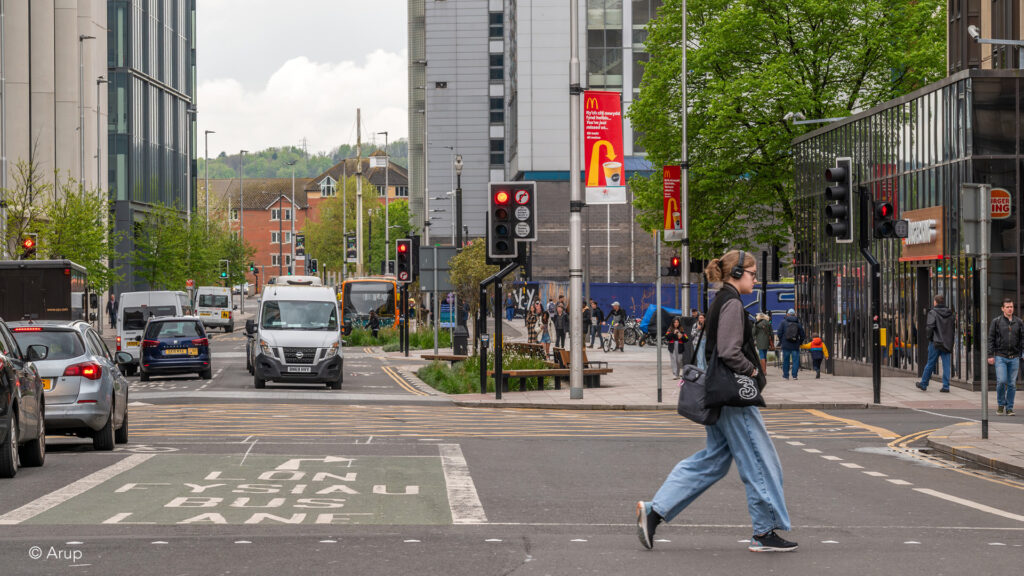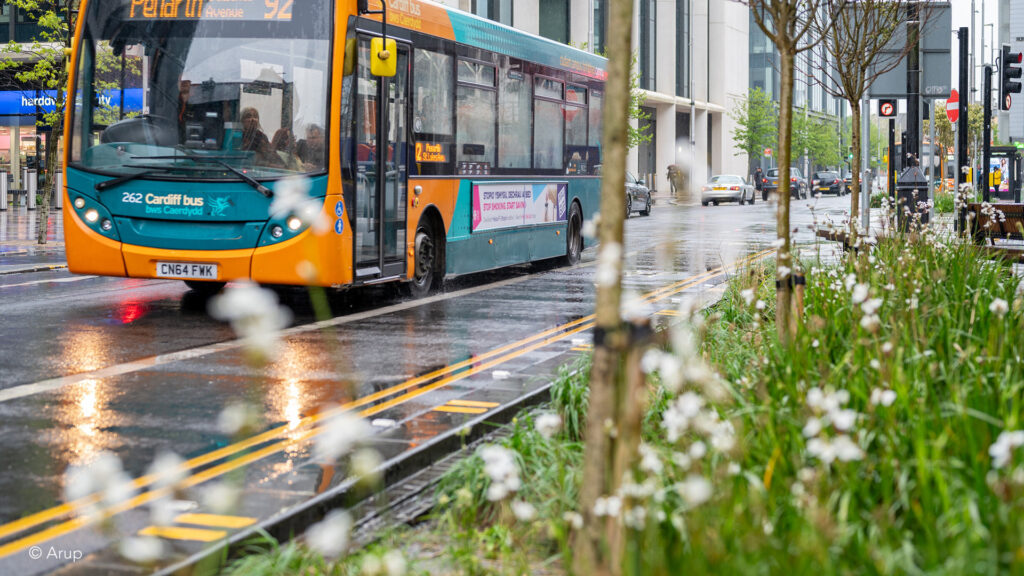
Urban environments are complex spaces where every inch serves a purpose, yet greenery remains essential. Trees do more than beautify streets; they improve air quality, reduce urban heat, stabilise soil, intercept rainfall and create habitats for urban wildlife.
Beyond environmental benefits, trees enhance social well-being, offering shade, encouraging outdoor activity, and improving mental health. Economically, they contribute to higher property values and lower urban cooling costs. For cities, trees are now not optional; they are essential infrastructure that contributes to liveability, resilience and sustainability. Integrating trees into urban landscapes is therefore a priority, even where underground utilities pose challenges.
The Challenge of Underground Utilities
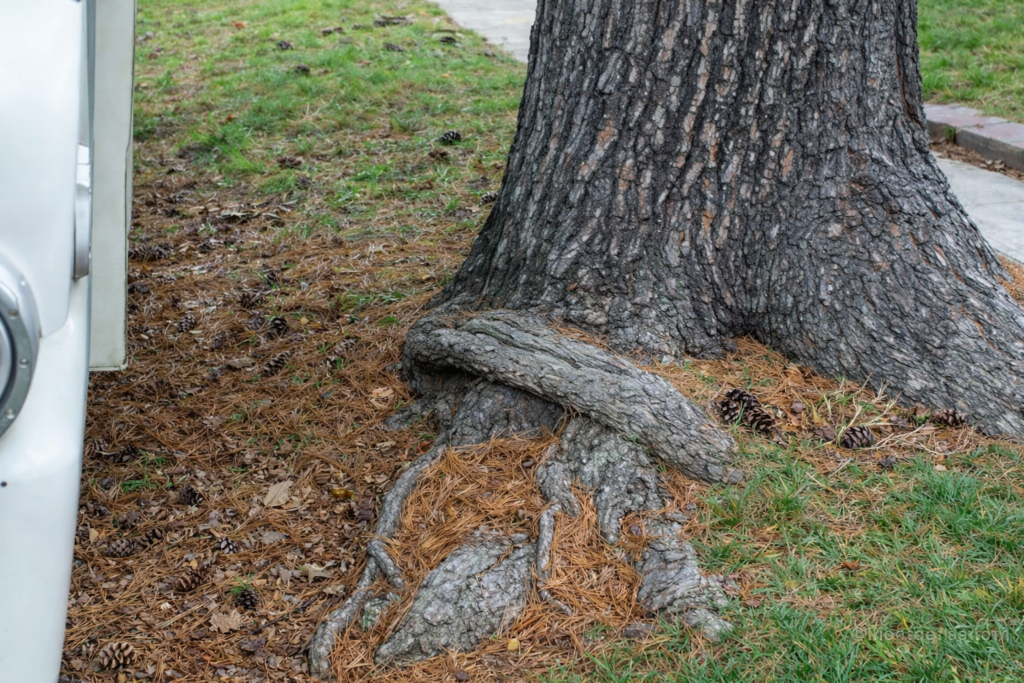
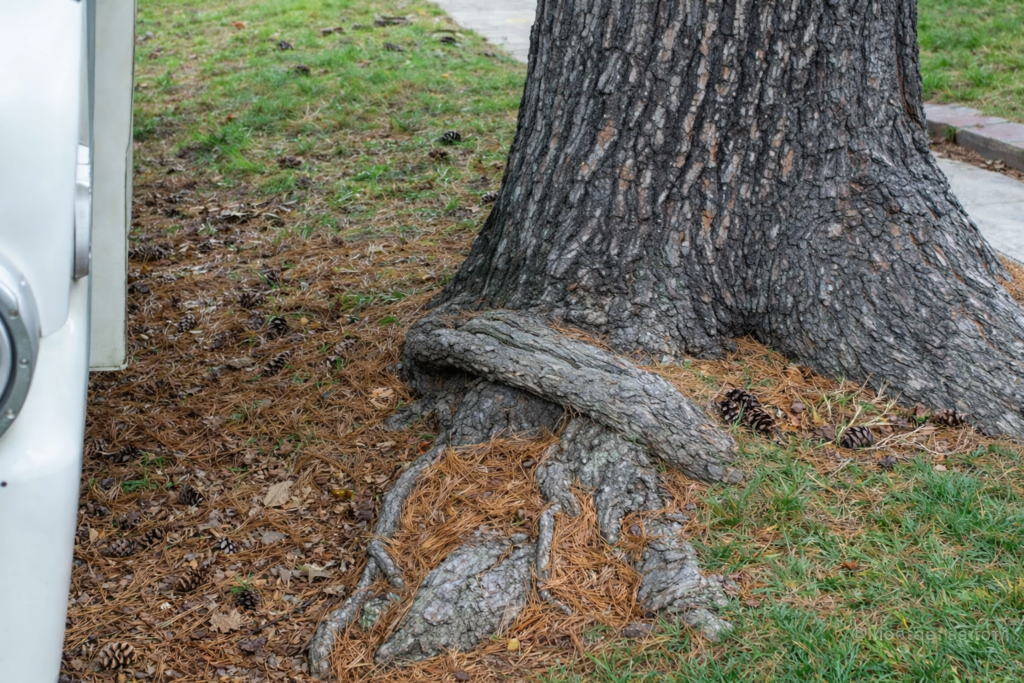
Beneath town and city streets lies a dense network of water mains, gas pipes, electrical cables and communication lines. These critical systems often occupy the same soil layers where tree roots naturally grow, creating tension between infrastructure and greenery. Tree roots are opportunistic, seeking water and nutrients. If confined to limited soil, they may extend toward compacted areas or along utilities, where expanding roots can exert pressure.
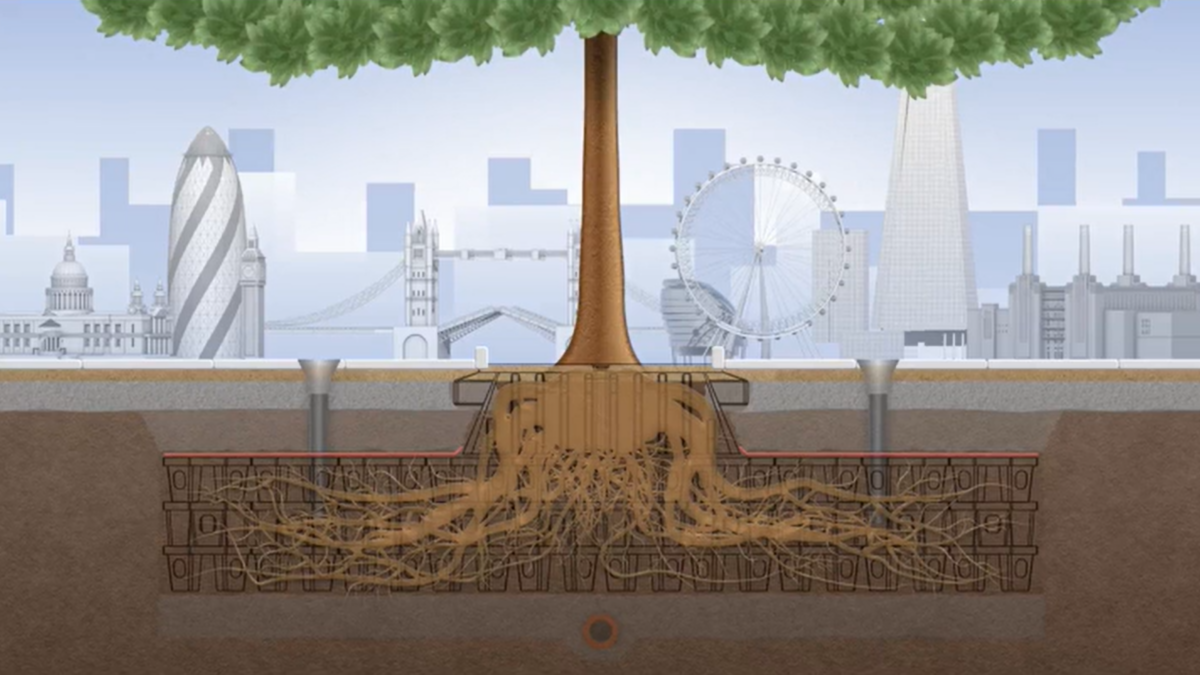
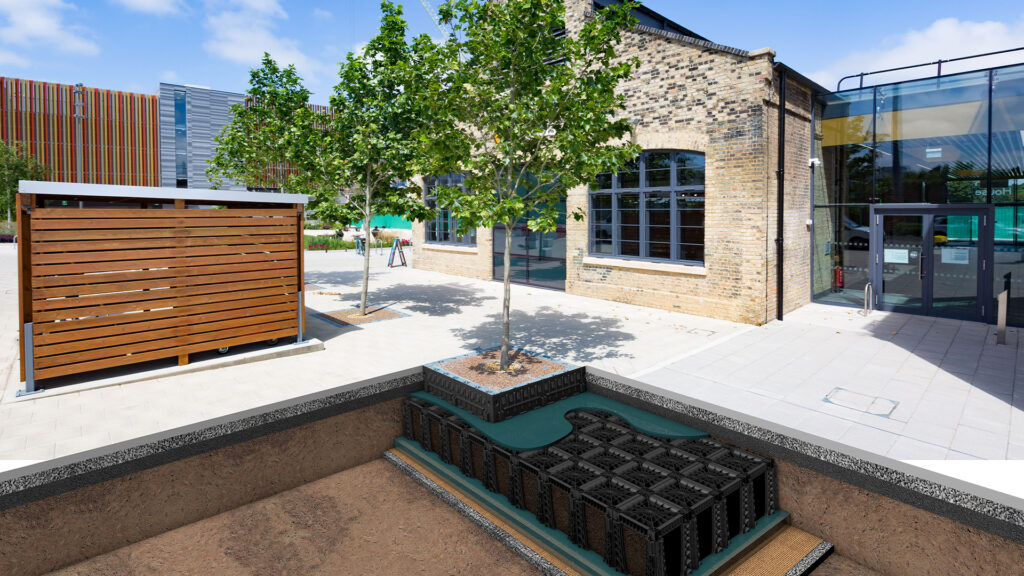
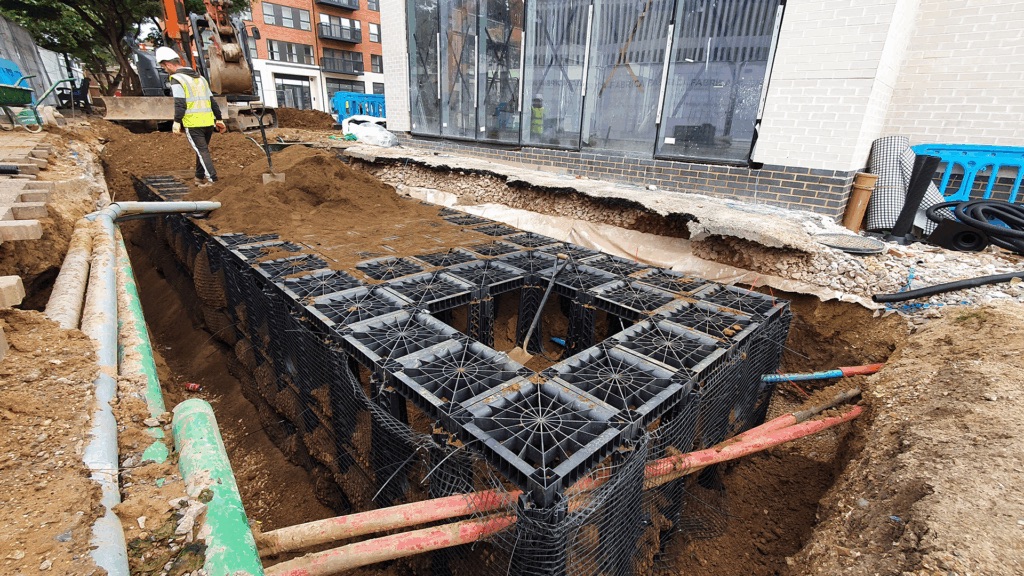
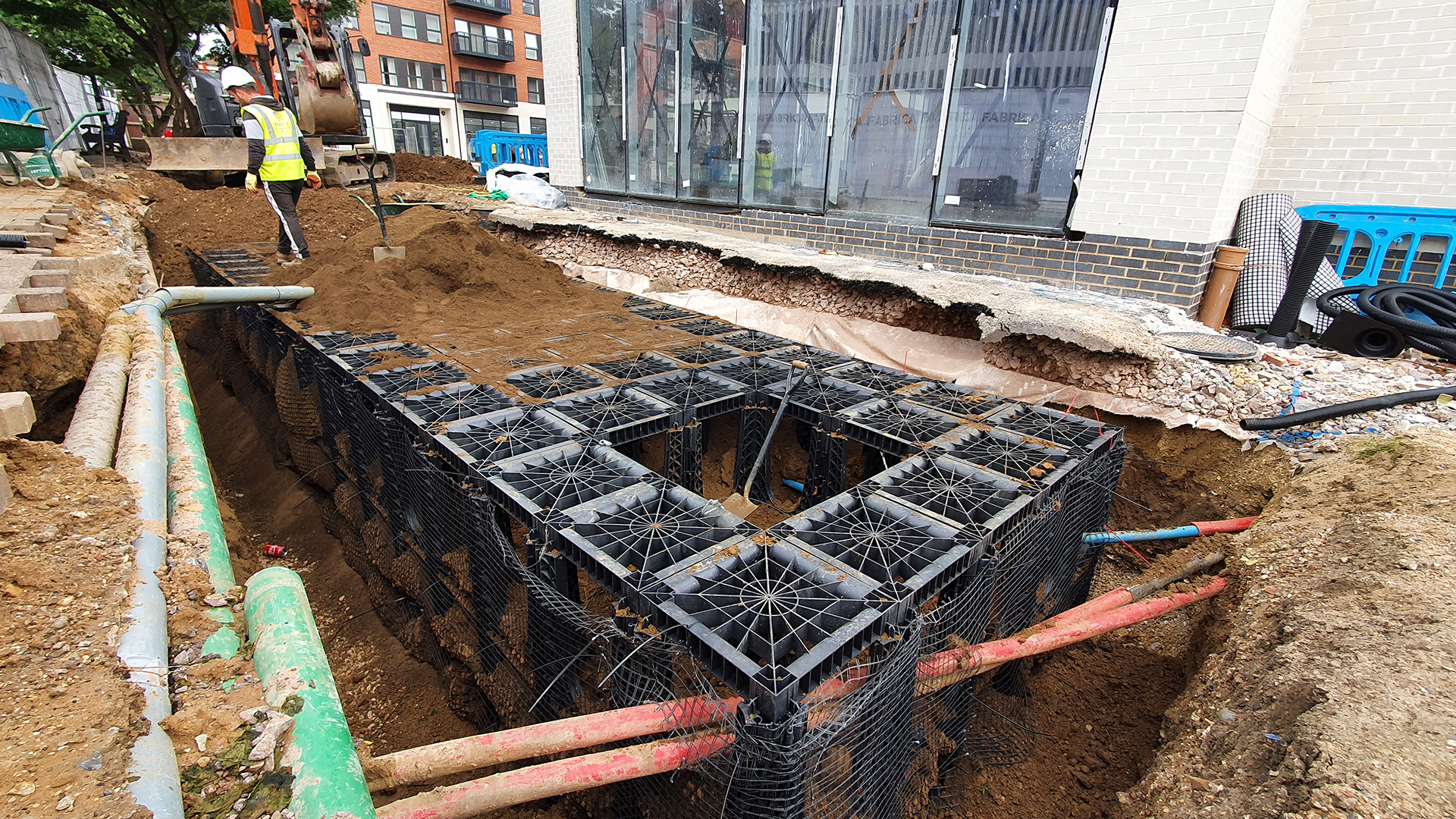
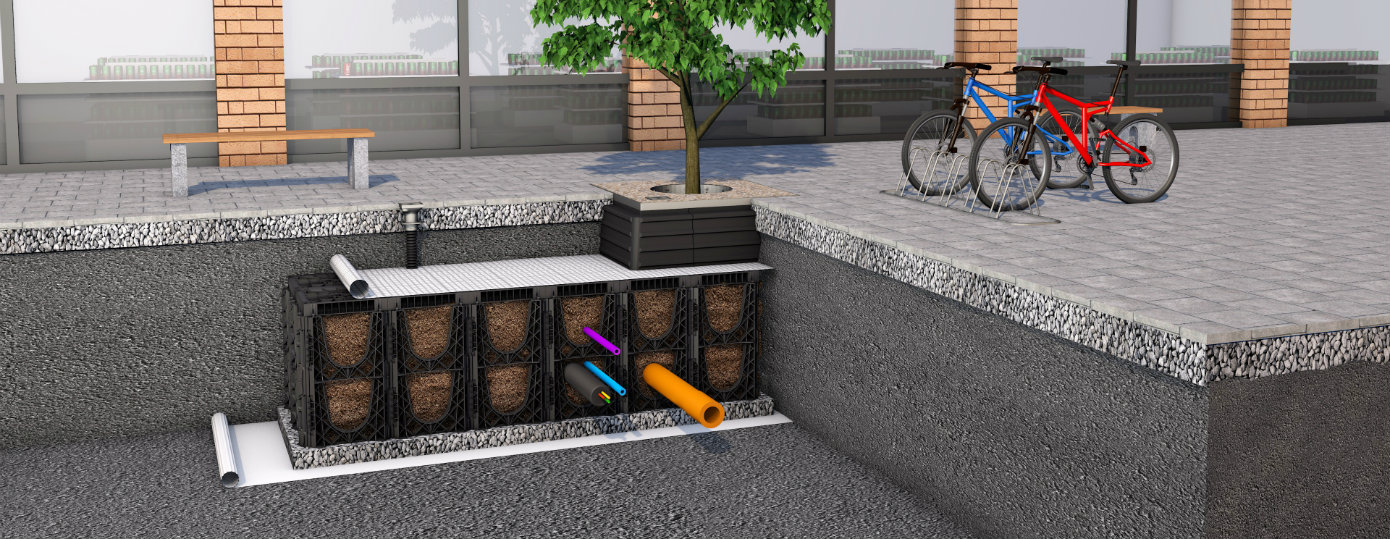
The challenge is not insurmountable. Properly designed tree pits and planning approaches allow trees to flourish without compromising these essential services. In fact, while shallow service ducts and pipes can be accommodated above the RootSpace system, remaining separate from the root zone, deeper utilities up to 300mm in diameter can be seamlessly integrated within the RootSpace construction. Understanding root behaviour and the constraints imposed by utilities is the first step toward successful urban greening.
Principles of Tree Pit Design
Healthy tree growth depends on soil volume, drainage, and planting depth. Tree roots predominantly develop within the top 600 to 800 millimetres of soil, which coincides with many utility lines. Effective tree pit design prioritises lateral space, allowing roots to spread safely while protecting surrounding infrastructure.
Root barriers should not be seen as restrictions, they act as protective shields for utilities, directing roots toward safe zones while maintaining adequate soil for healthy growth. Planting depth is equally critical, as trees are accustomed to specific nursery soil levels. Planting too deeply can suffocate roots and lead to rot, while planting slightly higher than the nursery depth ensures healthy growth. Properly engineered grilles and guards further protect the tree without constraining its development.
Collaboration as a Key Strategy
The intersection of urban trees and utilities demands early and continuous collaboration. Landscape architects, urban planners, engineers and utility providers must work together to ensure feasible designs. Guidelines from organisations like the National Joint Utilities Group outline the spatial arrangement of utilities beneath pavements, often constrained to widths of around two meters. Historic urban centres may have even narrower footways, limiting tree pit options further.
Utility plans are often indicative rather than precise, which requires flexibility and adaptability during implementation. By engaging all stakeholders early, designers can identify less congested locations and integrate modular tree pit systems that accommodate the complexity of the urban environment.
Modular Tree Pits: A Modern Solution
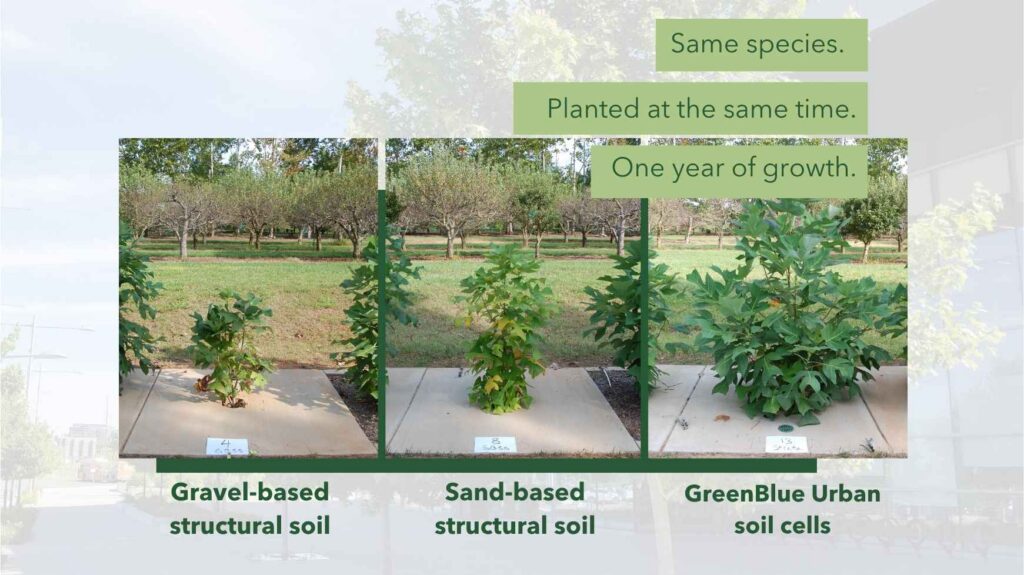
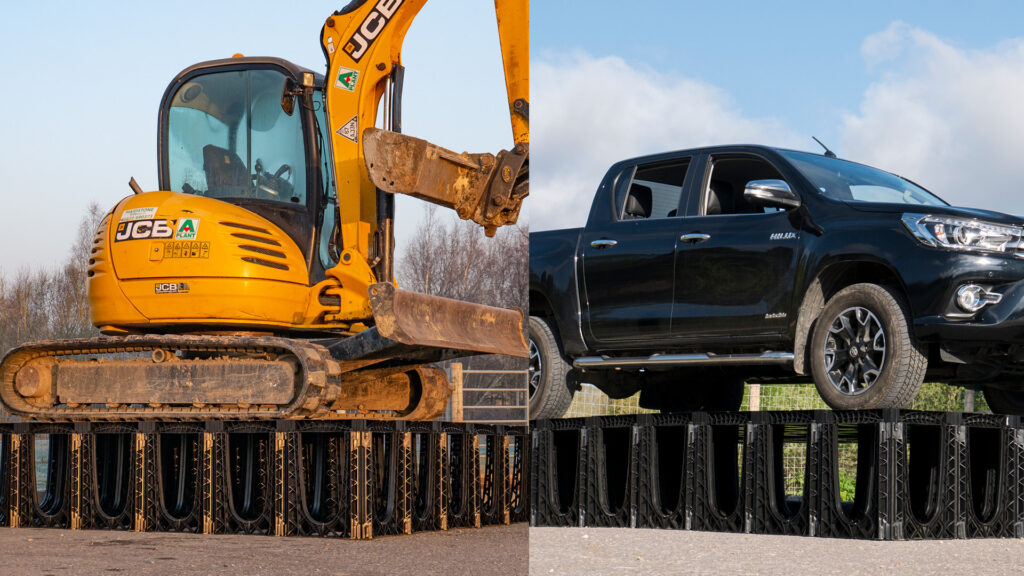
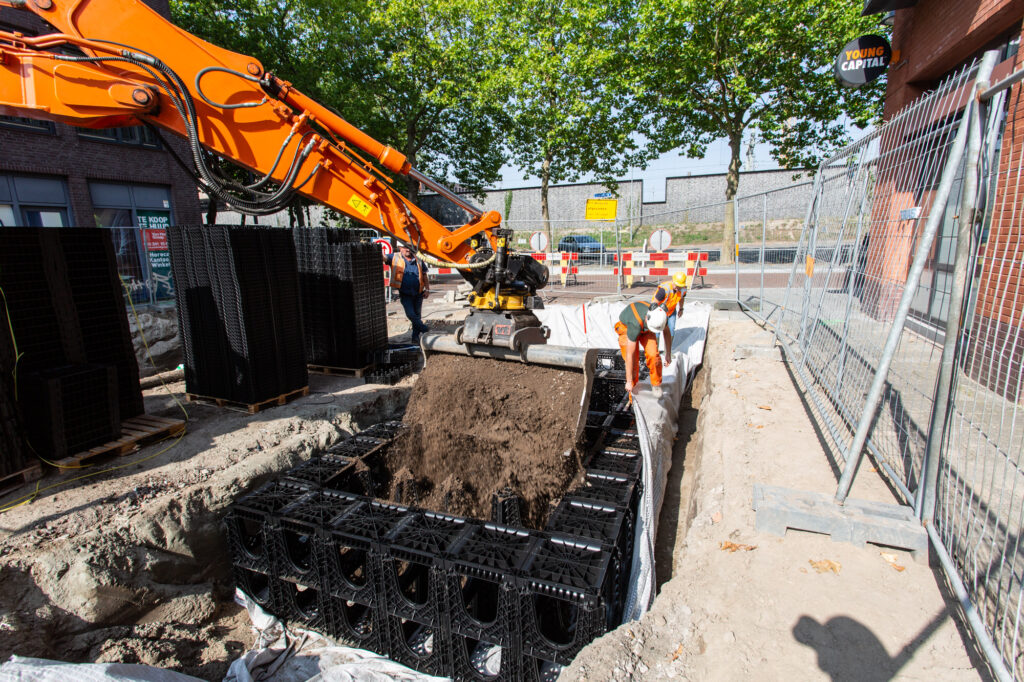
Modular tree pit systems have transformed urban tree planting in utility-dense areas. These engineered systems provide sufficient soil volume for healthy root growth while guiding roots safely around underground services. Unlike traditional uniform pits, modular systems can be configured in irregular shapes to fit the urban landscape and accommodate existing infrastructure.
Tree roots do not grow symmetrically, and pits don’t need to be square; modular designs embrace natural growth patterns while protecting utilities. Modern pipes with welded joints are generally resistant to root intrusion, but older clay or damaged pipes can attract roots seeking moisture. In such cases, sealing pipes and installing barriers ensures roots are directed toward safe zones.
Balancing Urban Greenery and Infrastructure
Integrating trees into spaces crowded with utilities requires foresight and careful planning, but the benefits extend far beyond aesthetics. Trees enhance property values, provide shade for pedestrians and cyclists and foster community well-being. Urban greenery also mitigates climate impacts by reducing heat islands and managing stormwater.
Roots grow opportunistically, following water and nutrient sources, but intelligent design ensures they are directed into engineered growth zones. When utilities are considered constraints rather than obstacles, planners can design solutions that satisfy both environmental and infrastructural needs. This approach reduces long-term maintenance costs, minimises service disruptions and ensures the longevity of trees and utilities alike. Urban tree pits, when planned strategically, become an investment in sustainable city infrastructure rather than a challenge to it.
The Broader Implications for Urban Planning
Urban tree pits are a critical tool for sustainable city planning, enabling trees to thrive even in areas densely populated with utilities. With careful design, modular systems, and cross-disciplinary collaboration, trees and infrastructure can coexist successfully.
Urban trees deliver profound environmental, social, and economic benefits, making their careful integration into city streets essential. Utilities should not be seen as obstacles to planting but as constraints that encourage innovative, forward-thinking design solutions. When executed correctly, urban tree pits foster greener, more resilient and more liveable cities, providing long-term benefits for both people and infrastructure.