Raingardens That Perform

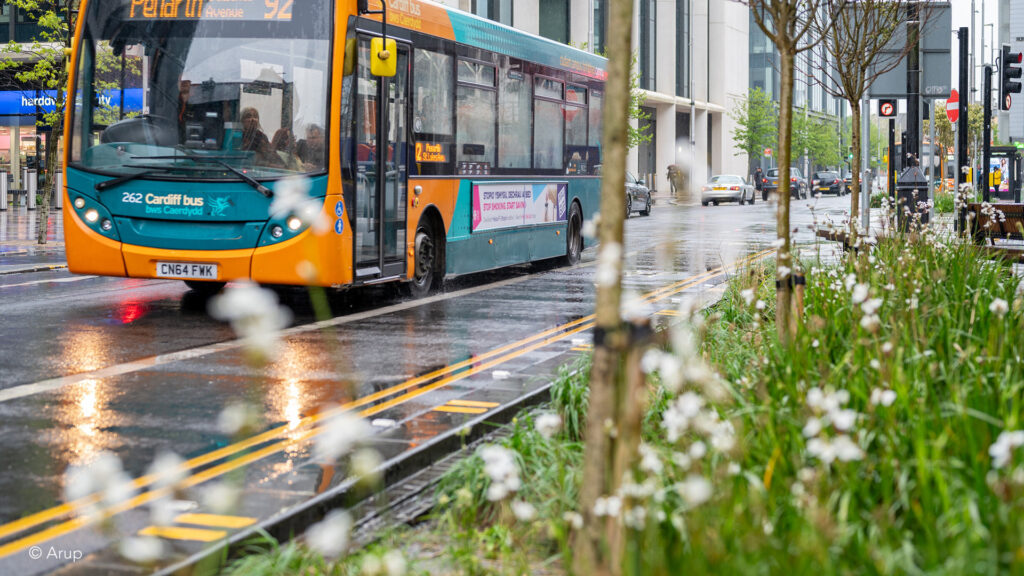
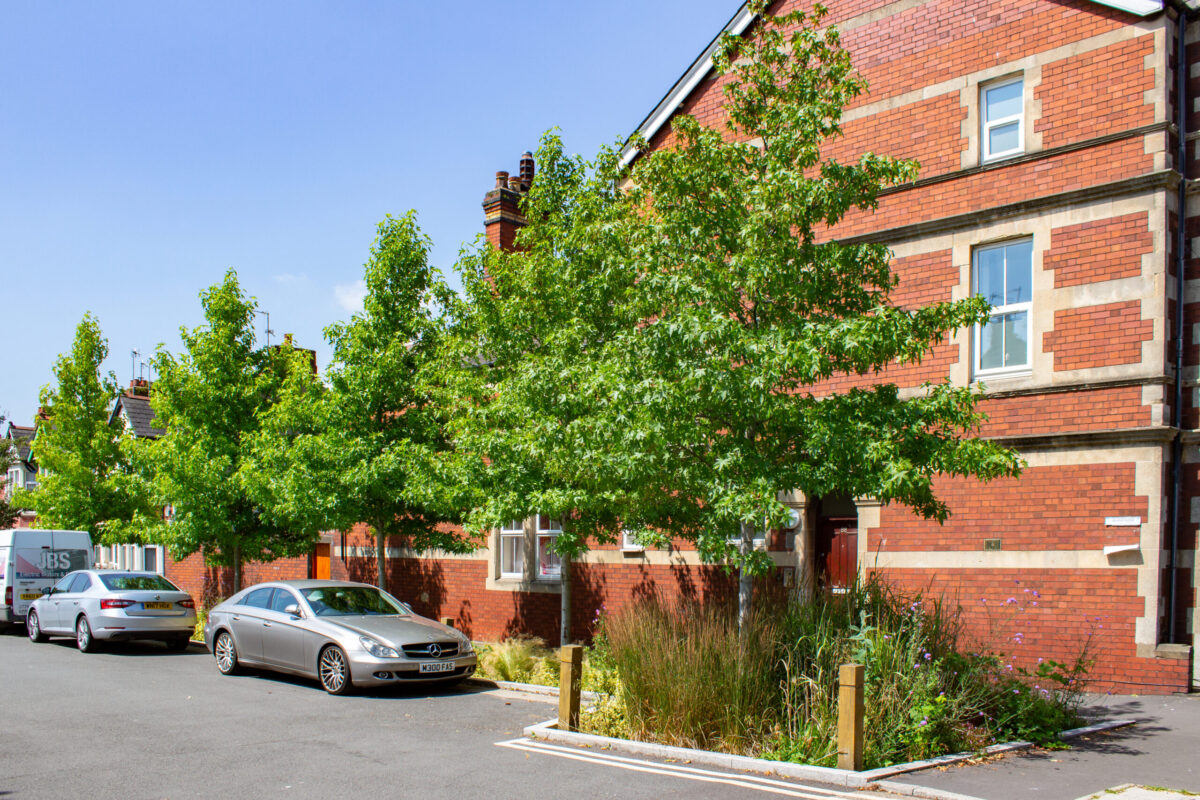
Raingardens are designed to manage rainfall where it lands. Instead of sending water straight into underground pipes, they slow, store and treat runoff at the surface, reducing pressure on drainage networks while improving water quality and enhancing the spaces around them.

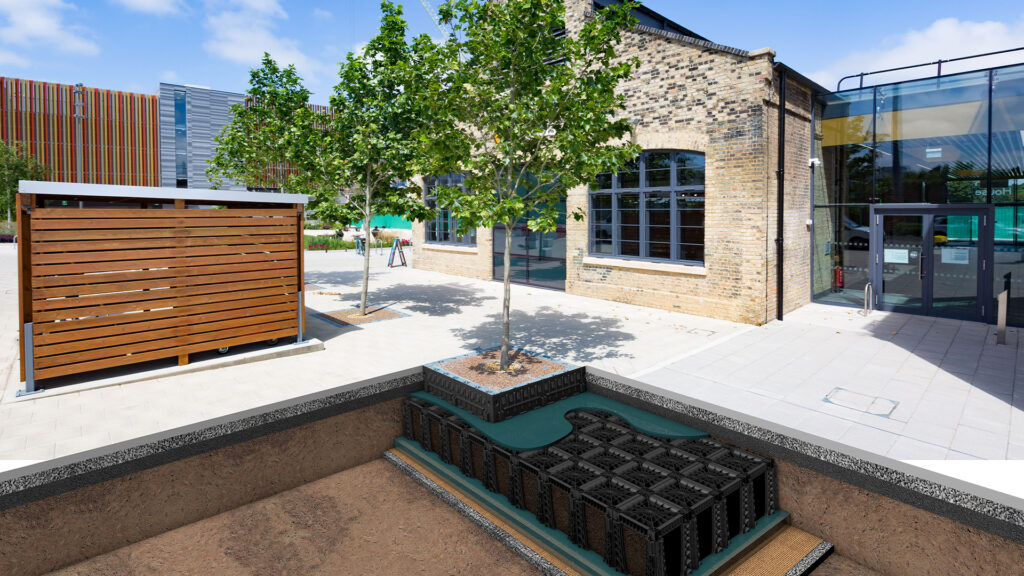
When designed properly, raingardens become more than a landscape feature. They are dependable infrastructure, working every day to manage water, support planting and respond to both heavy rainfall and dry conditions. A raingarden from GreenBlue Urban is made up of two components; a HydroPlanter former containing AshMAX soil.  
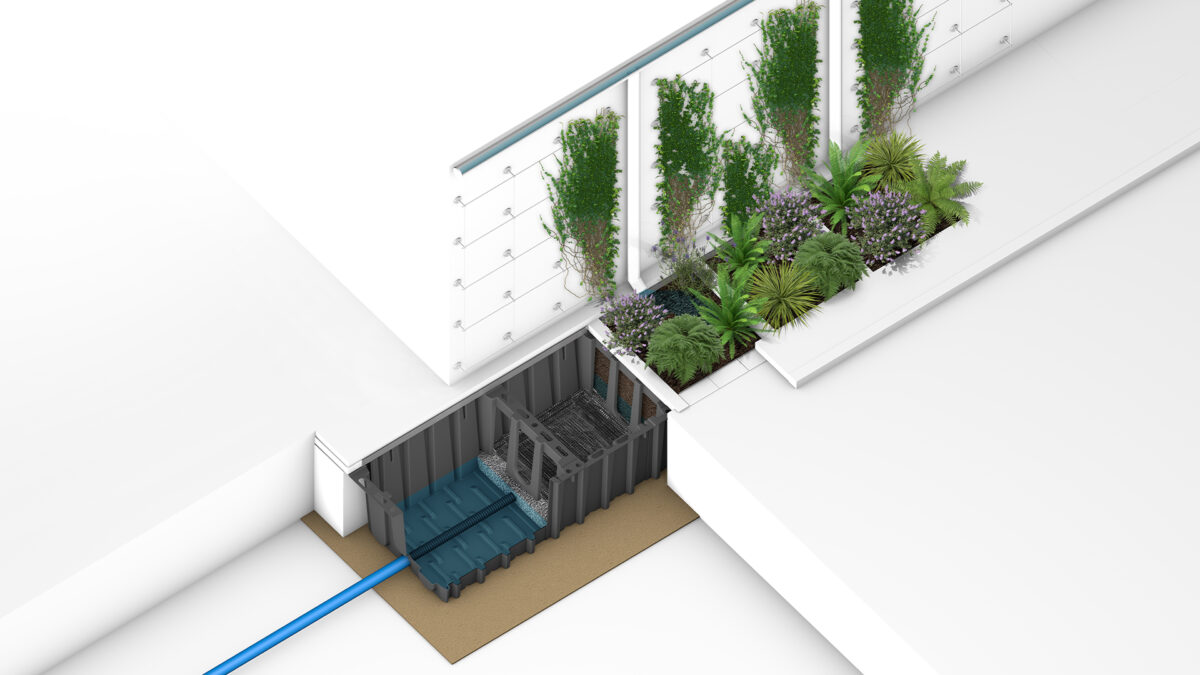
HydroPlanter: Built for Performance, Designed for Site 

HydroPlanters are GreenBlue Urban’s modular raingarden systems, developed to bring consistency, reliability and buildability to SuDS. 

They combine engineered polymer infrastructure with high-performance growing media (AshMAX)  to create a fully integrated system that manages water in a controlled and predictable way. Unlike traditional raingardens, where performance can vary depending on installation and site conditions, HydroPlanters are designed to deliver repeatable results across every project. 

At their core, HydroPlanters provide: 

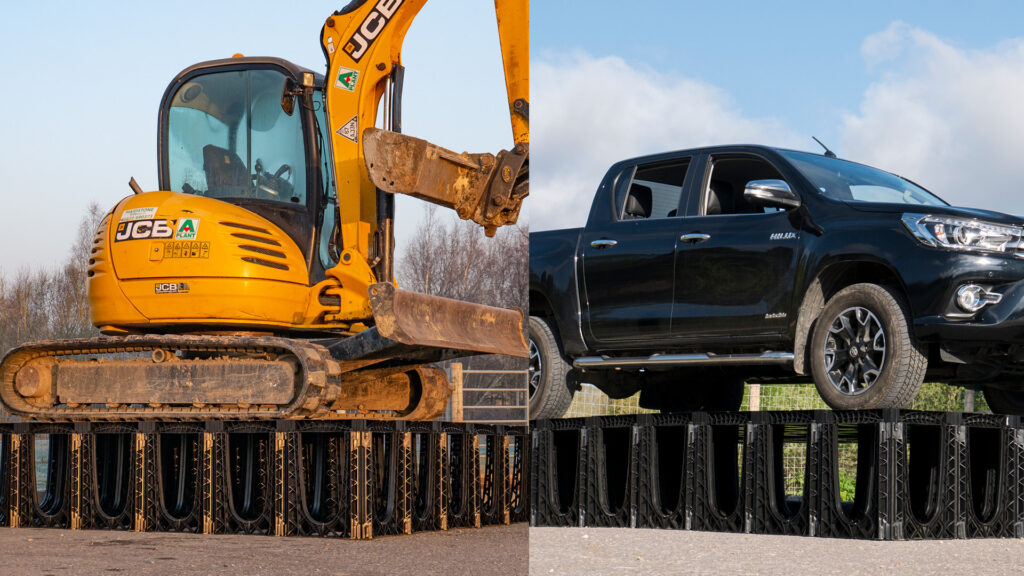
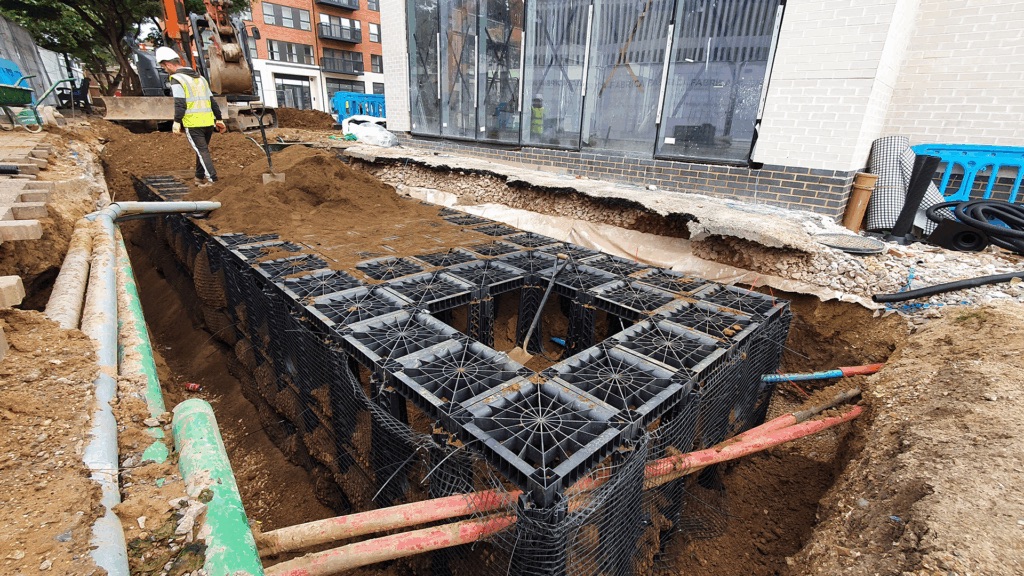
  • Engineered structure and storage: A defined substructure creates space for water storage while protecting the system from compaction and maintaining long-term integrity  
  • Controlled water management: Water is captured, stored and released in a controlled way, ensuring consistent performance during rainfall events  
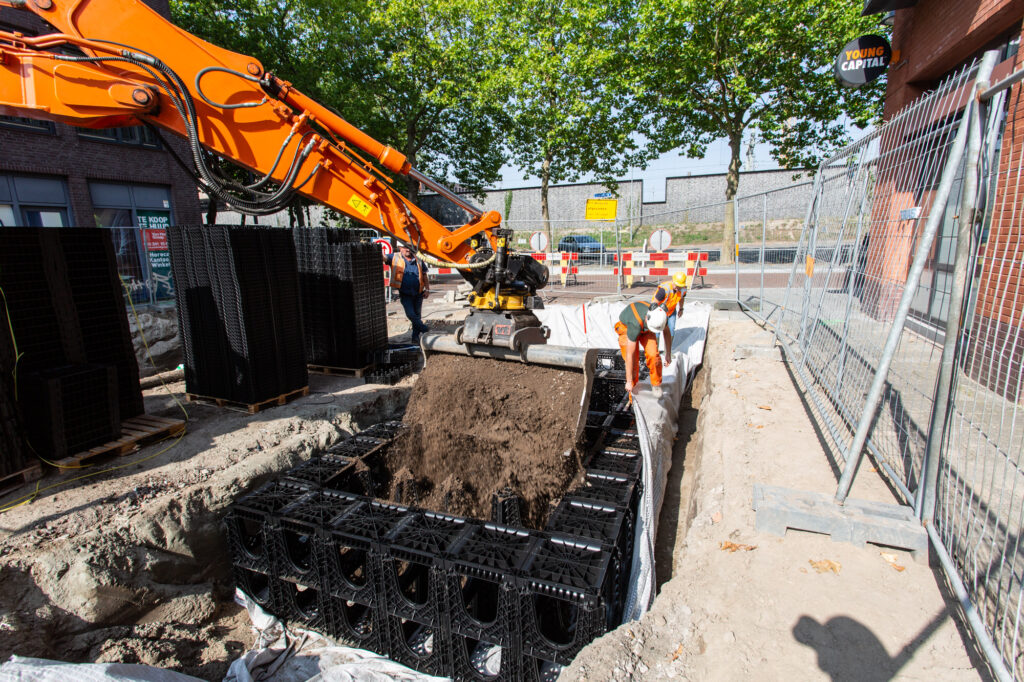
  • Modular, buildable design: Designed for straightforward installation, reducing complexity on site and supporting efficient delivery  
  • Space-efficient SuDS: By managing water at source, HydroPlanters reduce the need for large, centralised storage, making them ideal for constrained urban environments  
AshMAX: More Than Just Soil 

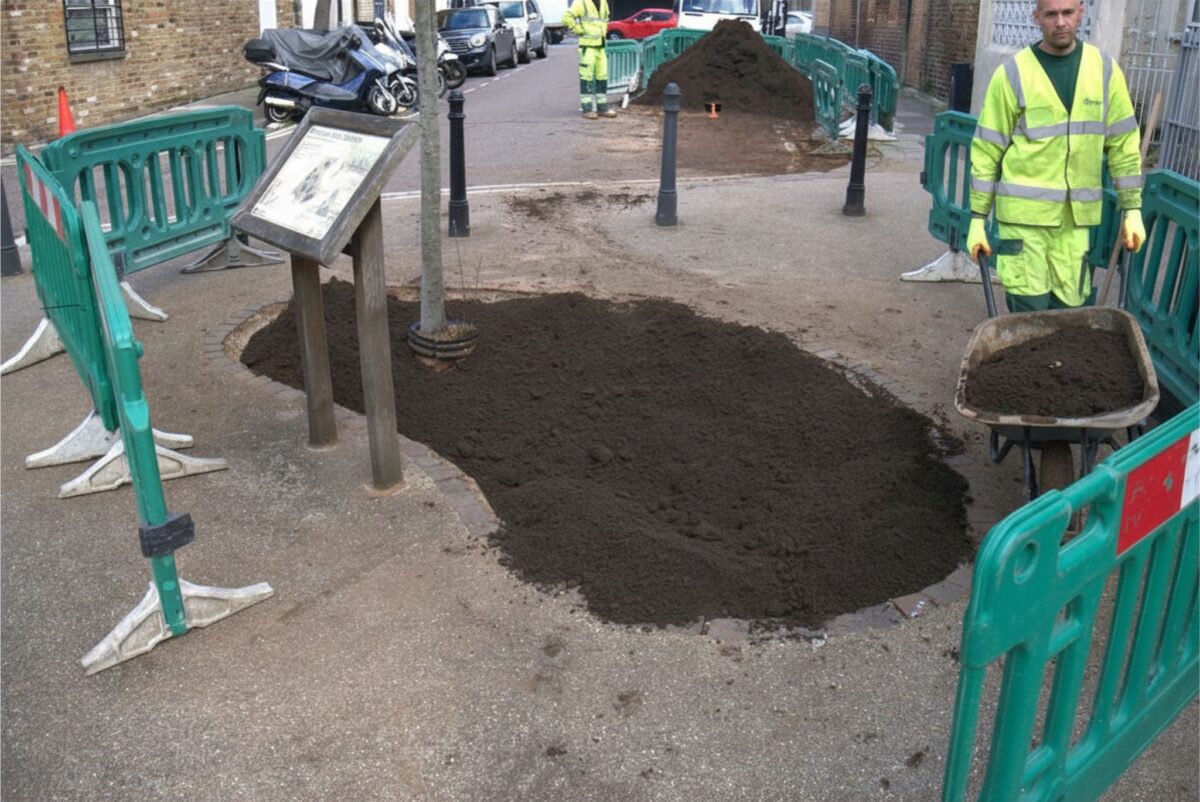
AshMAX (Arborsoil Hydro MAX) is a high-performance growing medium developed specifically for raingardens and SuDS applications. 

It has been engineered through extensive research and testing to deliver consistent hydraulic performance while supporting healthy, long-term plant growth. Unlike conventional soils, AshMAX is designed to behave predictably, providing the right balance between water movement, storage and nutrient availability. 

Its composition and production are tightly controlled to ensure reliability on every project. 

AshMAX delivers: 

  • High permeability for efficient movement and storage of water  
  • Defined porosity to support both drainage and aeration  
  • Controlled chemistry for a stable growing environment  


The result is a growing medium that works as part of the system, supporting both water management and thriving vegetation, in both wet and dry conditions. 
Designed to Work Together 

The performance of a raingarden doesn’t come from a single component; it comes from how everything works together. 

HydroPlanters and AshMAX are designed in parallel to complement each other: 

  1. The HydroPlanter provides structure, storage and hydraulic control  
  1. AshMAX provides filtration, water retention and a healthy growing environment  


Together, they create a system that: 

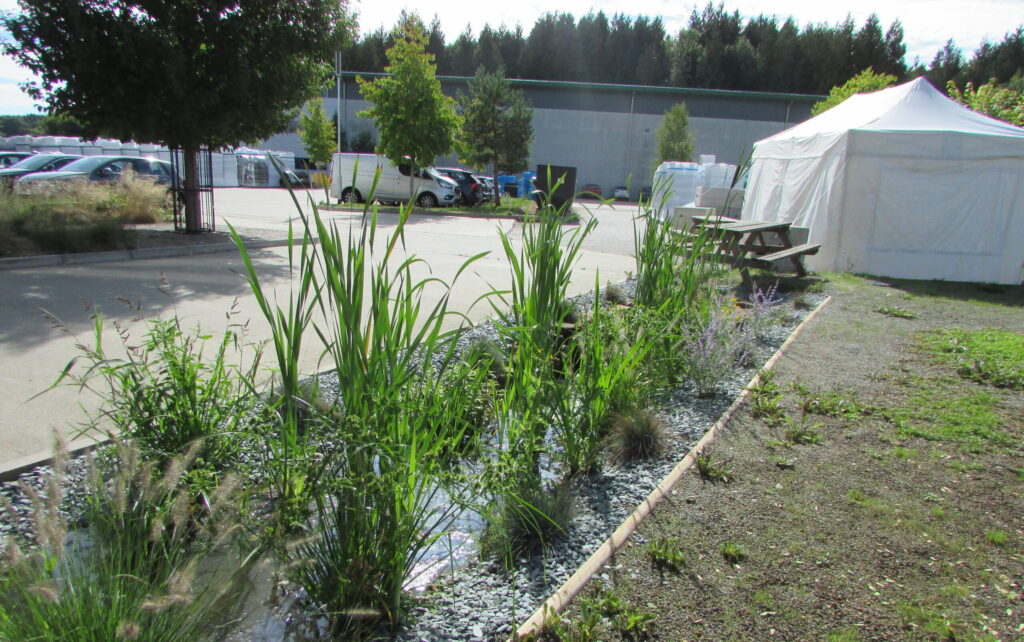
  • Captures rainfall at source  
  • Performs reliably during heavy rainfall  
  • Retains moisture to support planting during dry periods  
  • Maintains long-term hydraulic and biological performance  


This integrated approach allows GreenBlue Urban raingardens to operate effectively across extremes, from intense storms to extended drought. 
A Complete, Reliable System 

Raingardens only deliver value when they perform consistently over time. 

By combining engineered infrastructure with a rigorously developed growing medium, GreenBlue Urban systems remove uncertainty. They provide a dependable, repeatable solution that meets modern SuDS requirements while enhancing the quality of the built environment. 

The result is simple: raingardens that don’t just look good but perform year after year. 
Urban tree populations in cities around the world are under pressure. Despite the clear benefits trees bring, including cooling streets, managing stormwater, improving air quality and creating better places to

Urban trees don’t fail because of bad luck – most are set up to fail before they’re even planted. Traditional planting pits work against trees from the start: soil compaction,

When the phrase root girdling appears in a specification meeting or planning discussion, it tends to stop the conversation cold. The challenge is that the term is often used loosely

One of the biggest challenges facing the urban greening industry today is how we respond effectively to the accelerating climate crisis. It’s also how we align as a sector to

Planting a tree is often framed as an act of optimism, a gesture toward a greener, more hopeful future. But with blossom trees, the thinking starts earlier: choosing the right

Sustainable Drainage Systems (SuDS) are most effective when they are treated as a core part of urban design rather than a technical exercise that sits at the edge of a

Designing urban landscapes that successfully support both healthy tree growth and the structural needs of pavements, pathways, and vehicle areas is a complex engineering challenge. Beneath the surface, the soil

For more than a decade, the UK has broadly agreed on the direction of travel for surface water management. Policy documents reference it. Guidance supports it. Demonstration projects prove it.

Soil in urban environments rarely provides the conditions trees need to grow and thrive. Limited rooting space, compaction, and conflicts with surrounding infrastructure all work against long-term tree performance. That’s

Our existing urban drainage systems are being asked to do far more than they were ever designed for. Denser development, hard landscaping, population growth and increasingly intense rainfall are combining

When the phrase root girdling appears in a specification meeting or planning discussion, it tends to stop the conversation cold. The challenge is that the term is often used loosely

Each winter, towns and cities adopt a more festive character. Streets are illuminated, markets appear, and in many public squares a temporary Christmas tree becomes the focal point for seasonal

Urban environments are complex, high-demand spaces where every inch of land serves a function. Yet even in densely built areas, greenery is not optional — it’s essential. Street trees do

As cities continue to expand and the drive for greener, more liveable environments grows, the importance of healthy urban trees has never been clearer. Yet, for all the investment in

It may feel counter-intuitive to discuss heat stress as the nights are starting to turn colder, but the climate change data is unambiguous: hotter, drier summers and shorter, more intense

Cities across Canada are evolving. New developments are increasingly expected to serve multiple functions, moving people efficiently, offering access to nature, and protecting communities from both crime and climate-related risks.

Urban environments are complex spaces where every inch serves a purpose, yet greenery remains essential. Trees do more than beautify streets; they improve air quality, reduce urban heat, stabilise soil,

Cities across the United States are evolving. New developments are increasingly expected to serve multiple functions, moving people efficiently, offering access to nature, and protecting communities from both crime and

Most urban trees fail not because of poor species choice, but because their roots are starved of space and soil. The result? Shrinking canopies, failed specs, and wasted investment. Autumn

When we think about the infrastructure that keeps cities running, we picture roads, drains, cables and pipes. Yet beneath our feet lies another form of infrastructure that is just as