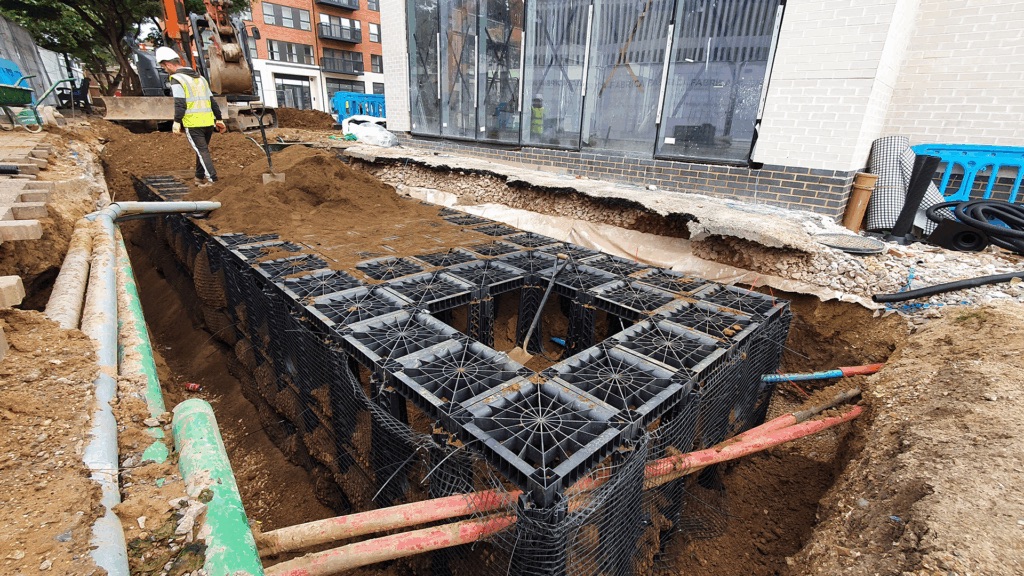
When we think about the infrastructure that keeps cities running, we picture roads, drains, cables and pipes. Yet beneath our feet lies another form of infrastructure that is just as critical, though it often escapes attention: soil. In the context of urban environments, soil should be understood as an active, living system rather than simply a medium for trees and plants. It sustains life both above and below ground, shaping the health of vegetation, water cycles, and urban ecosystems alike.
Healthy soil in tree pits, in particular, can transform how cities respond to the challenges of climate change. By valuing soil as hidden infrastructure, urban spaces can unlock its potential to manage stormwater, support biodiversity, cool overheated streets and even store carbon.
Soils as Hidden Infrastructure
In urban design, soil is usually treated as an afterthought, something to be compacted beneath pavements or transported in for landscaping. Yet the reality is that soil is as much a part of a city’s infrastructure as the concrete and steel that frame it. Soil underpins tree health, but also contributes to water regulation, air quality and human wellbeing.
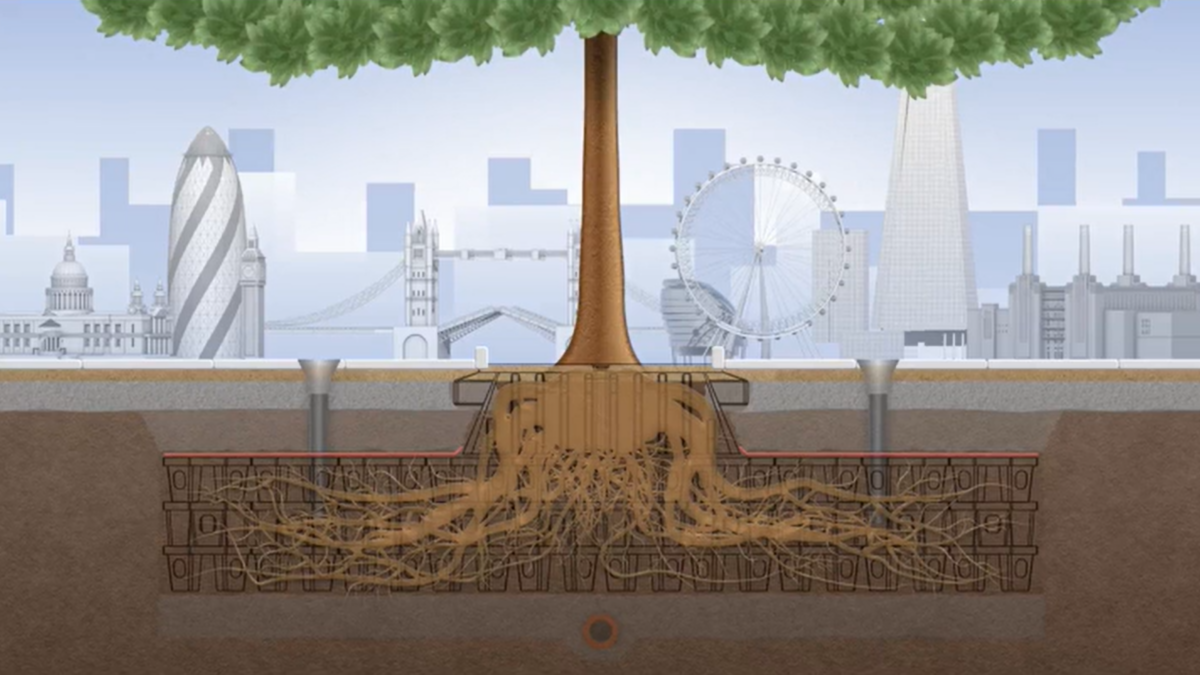
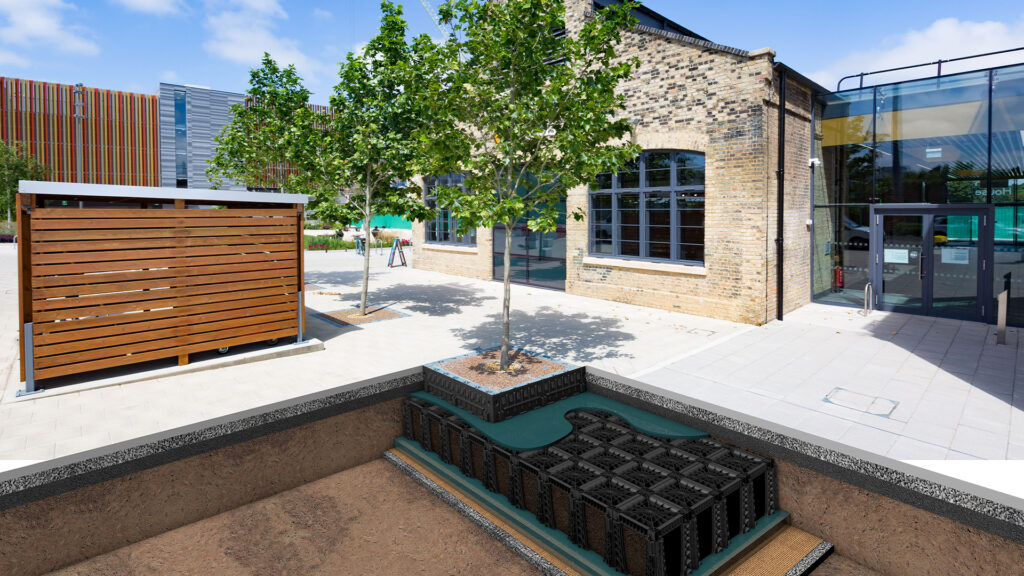
Viewing soil through the lens of infrastructure forces us to recognise its functional role. A well-designed tree pit is not just a container for roots, but a micro-engineered system that allows soil to do what it does best: sustain life and cycle nutrients.
Stormwater Management
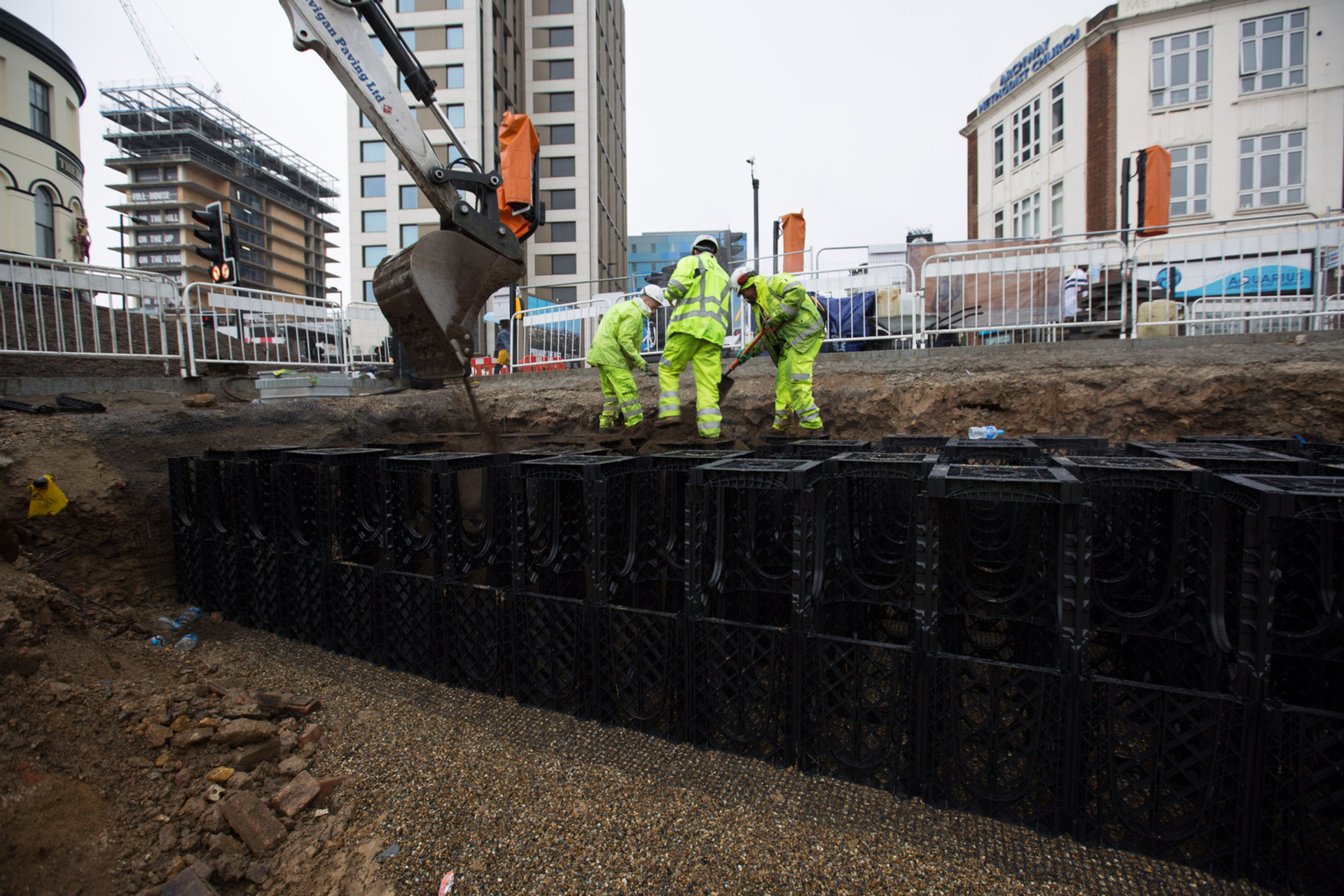
Flooding is one of the most pressing threats to climate-resilient cities. Conventional grey infrastructure was not originally designed for the volume and intensity of rainfall we now experience. Healthy, porous soils can relieve that pressure. By absorbing and holding stormwater, they act as natural sponges, slowing runoff and reducing flood risk.
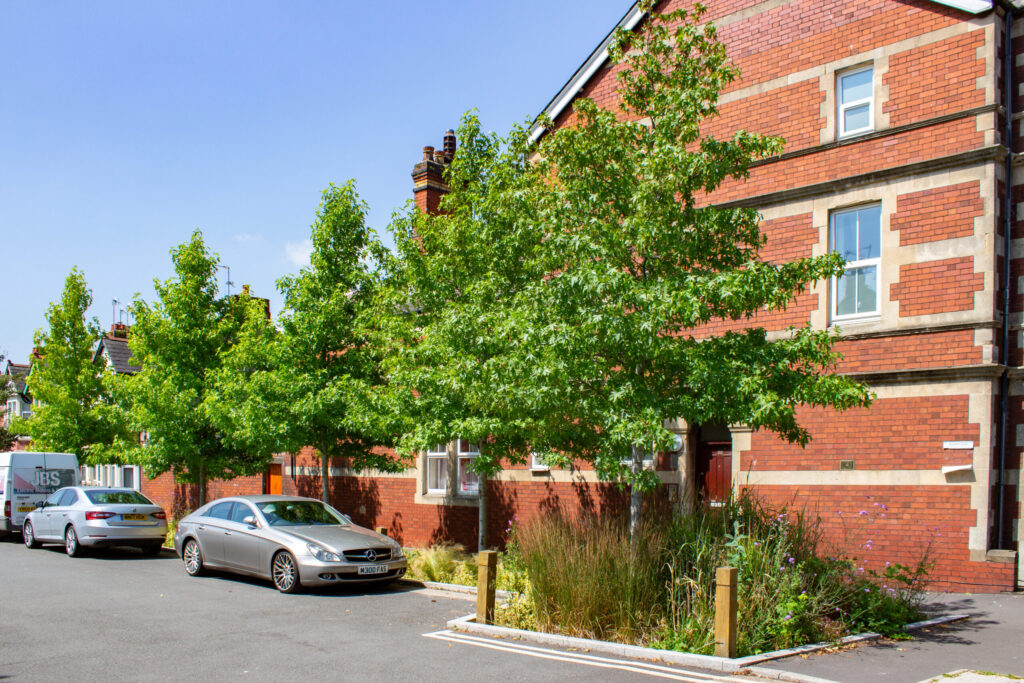
Tree pits filled with structured, uncompacted soils provide the dual benefit of supporting tree growth while capturing rainwater. This integration of green systems into urban planning reduces the load on conventional drainage and offers an adaptable, sustainable solution as cities face wetter and more unpredictable weather.
The Soil Microbiome
Beneath the surface of every tree pit lies an invisible ecosystem teeming with life. Soil microbiomes – the bacteria, fungi and other microscopic organisms – form the foundation of soil function. These microbial communities support nutrient cycling, decompose organic matter and even break down pollutants.
For trees, soil microbes are critical partners, helping roots access water and minerals, and defending against disease. Beyond tree health, thriving microbiomes contribute to carbon sequestration by stabilising organic matter in the soil. Protecting and enhancing soil biology is therefore not a luxury, but a prerequisite for resilient urban forests.
Heat Resilience
Urban heat islands are becoming a defining issue for cities worldwide, with September 2023 being marked as the hottest on record, closely followed by September 2024, which was the second-warmest September on record globally. Dense surfaces like asphalt and concrete absorb heat during the day and release it at night, raising local temperatures far above surrounding rural areas.
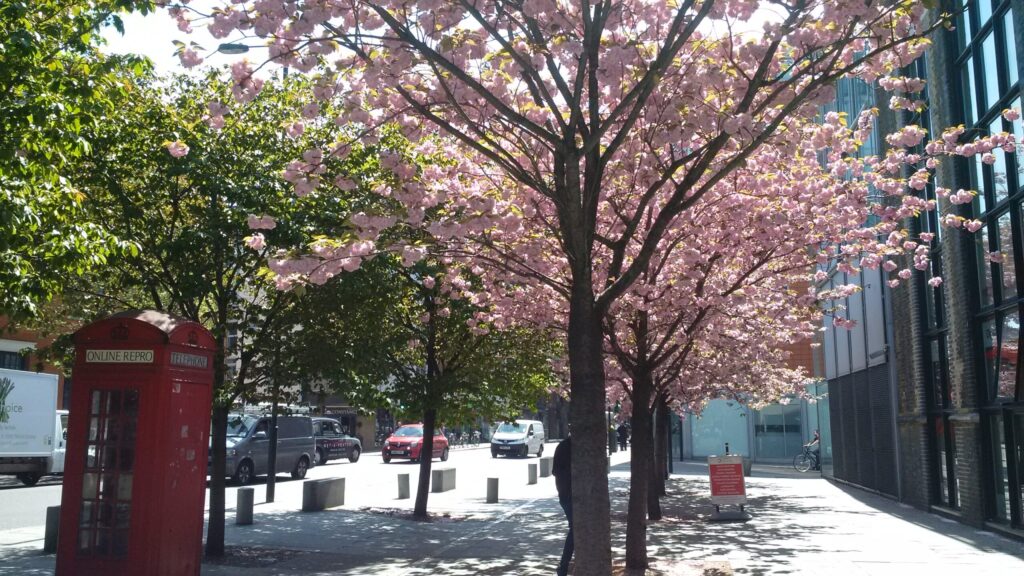
Healthy soils, particularly those that remain moist, play a but powerful role in moderating this effect. Vegetated tree pits not only provide shade through canopy cover but also release moisture back into the atmosphere through evapotranspiration. This process cools the air and creates more comfortable microclimates. In the face of heatwaves, which are growing in frequency and severity, soils can become a first line of defence, making streets more habitable and protecting vulnerable populations.
Carbon Storage
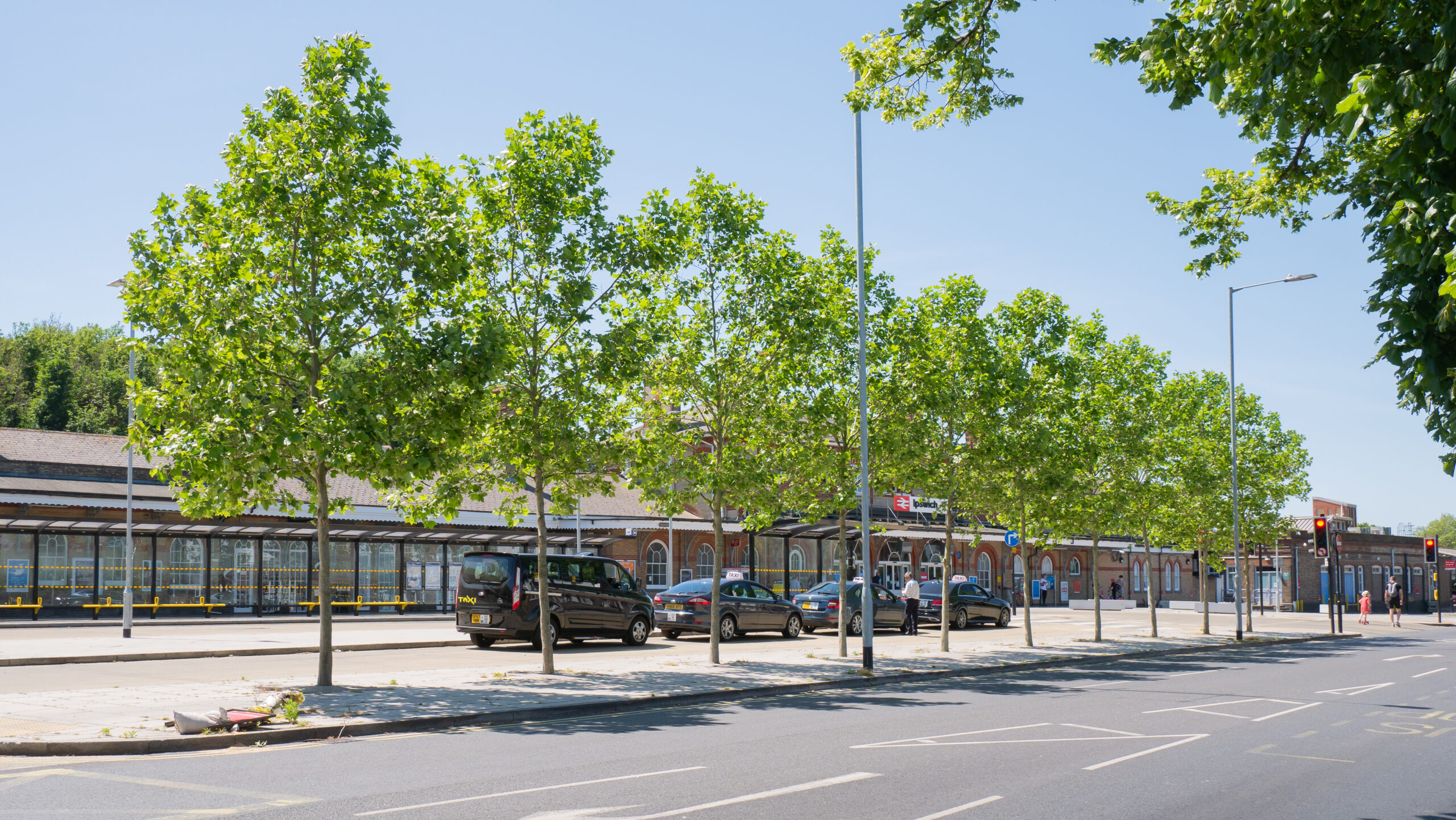
One of the most widely recognised benefits of trees is their ability to capture carbon dioxide from the atmosphere and store it in their biomass. However, less well known is the role soil plays in this process. Healthy soils act as long-term carbon sinks, locking carbon into organic matter below ground.
By ensuring that tree pits are designed with soil health in mind, cities can maximise both above and below-ground carbon storage. This dual storage capacity positions urban trees as a key element of climate mitigation strategies, complementing efforts to reduce emissions with the equally vital task of capturing and holding carbon.
The Problem of Compaction
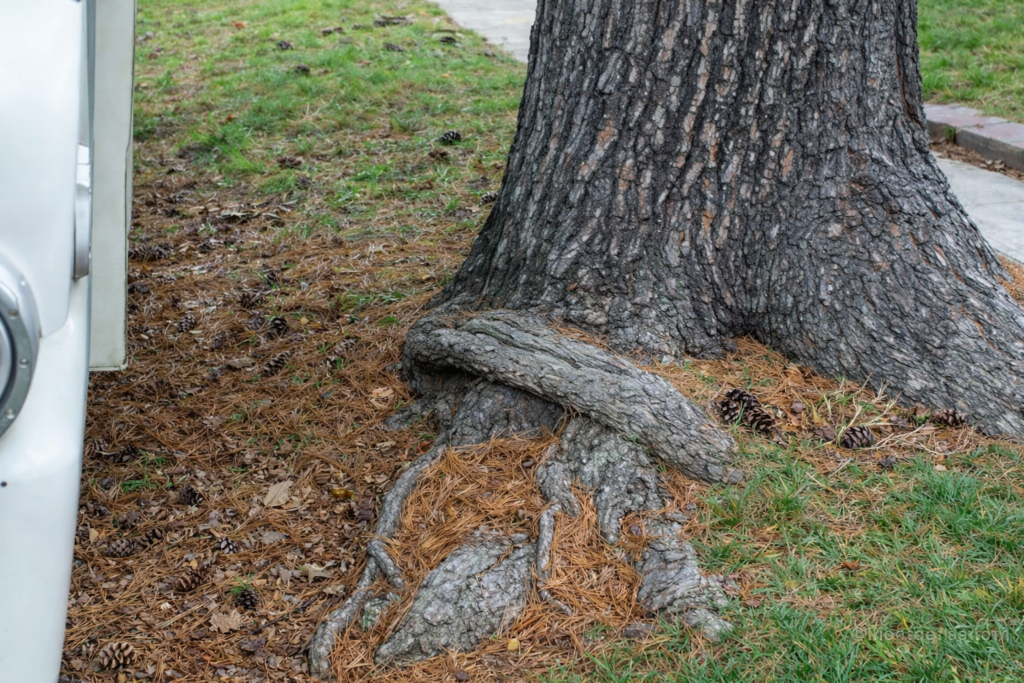
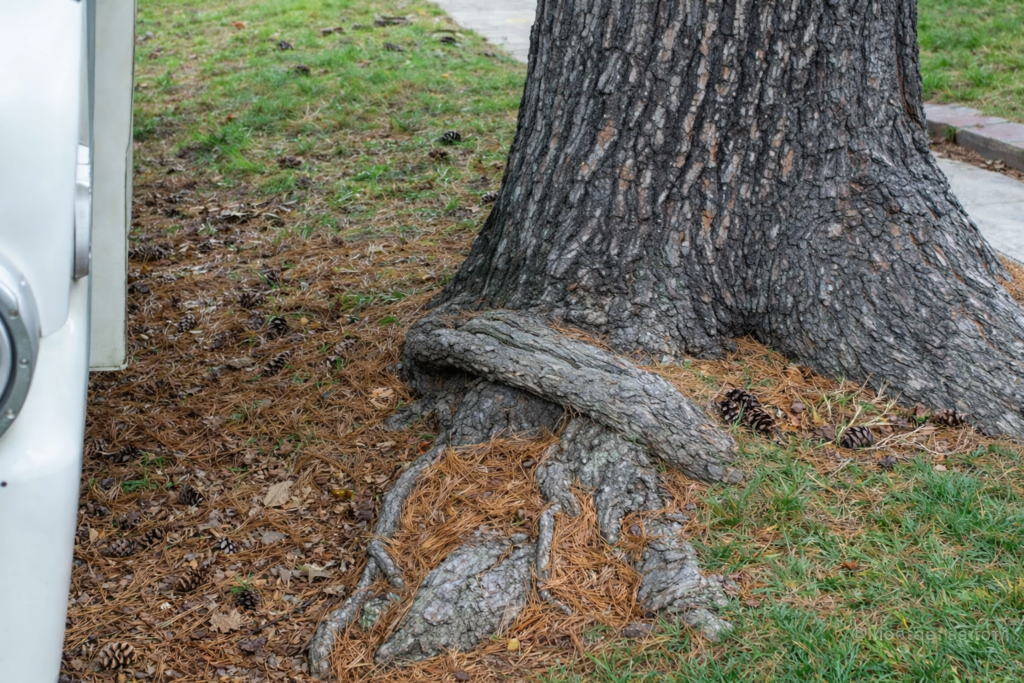
Despite the many benefits soils can provide, their potential is often undermined by poor urban design. The most common issue is compaction. When soils are crushed beneath pavements or machinery, they lose porosity and become impermeable. Compacted soils cannot absorb water, support roots, or sustain microbial life, effectively losing their ecological function.
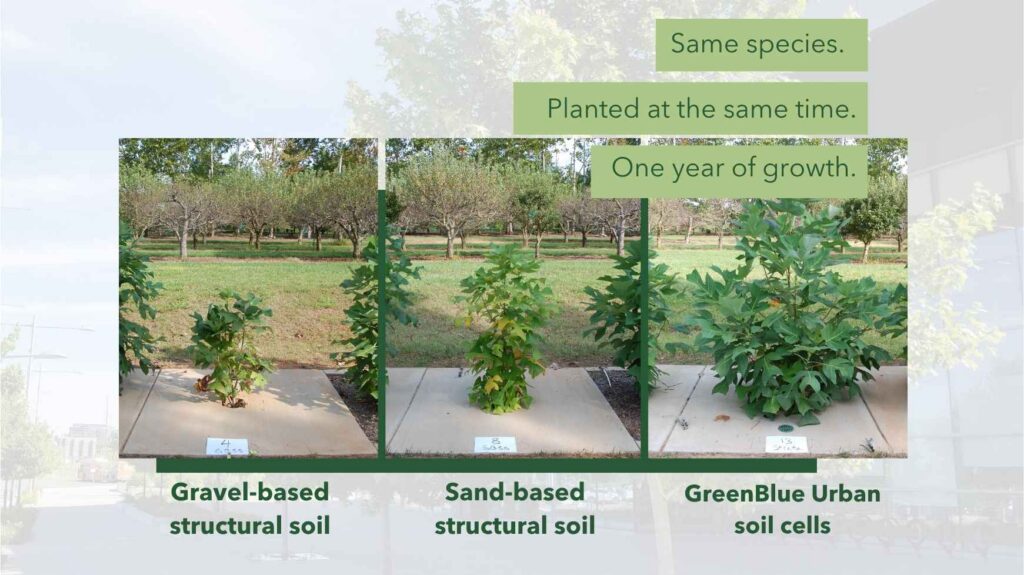
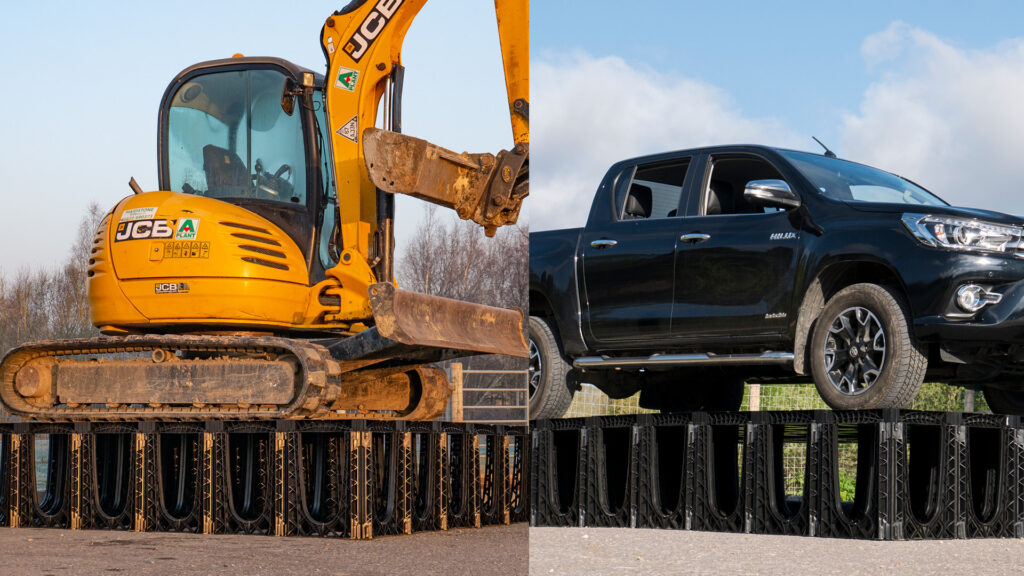
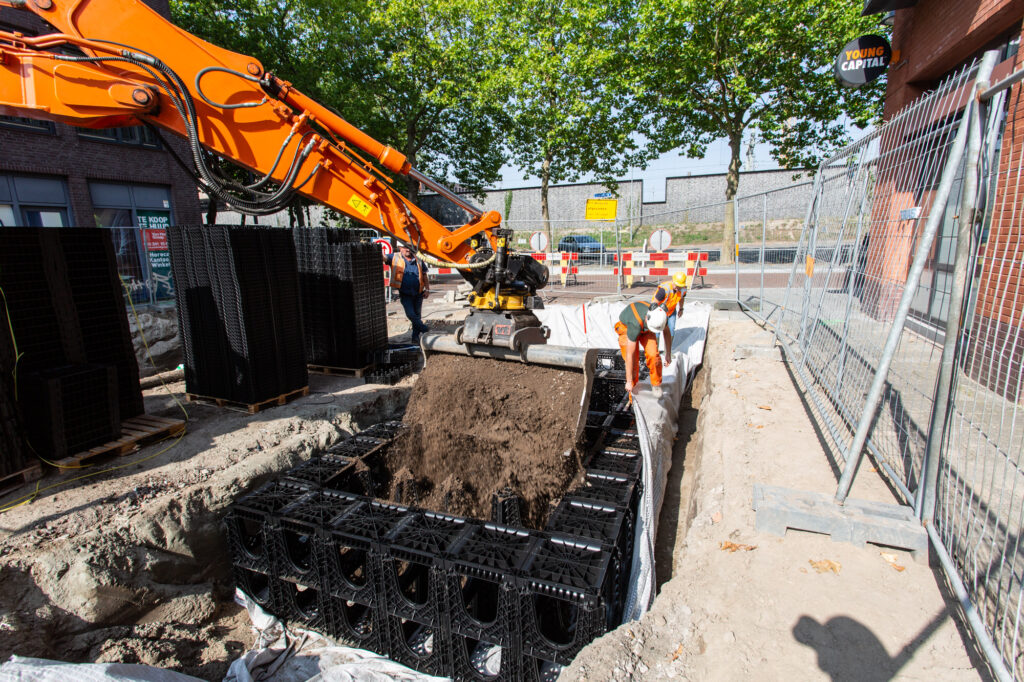
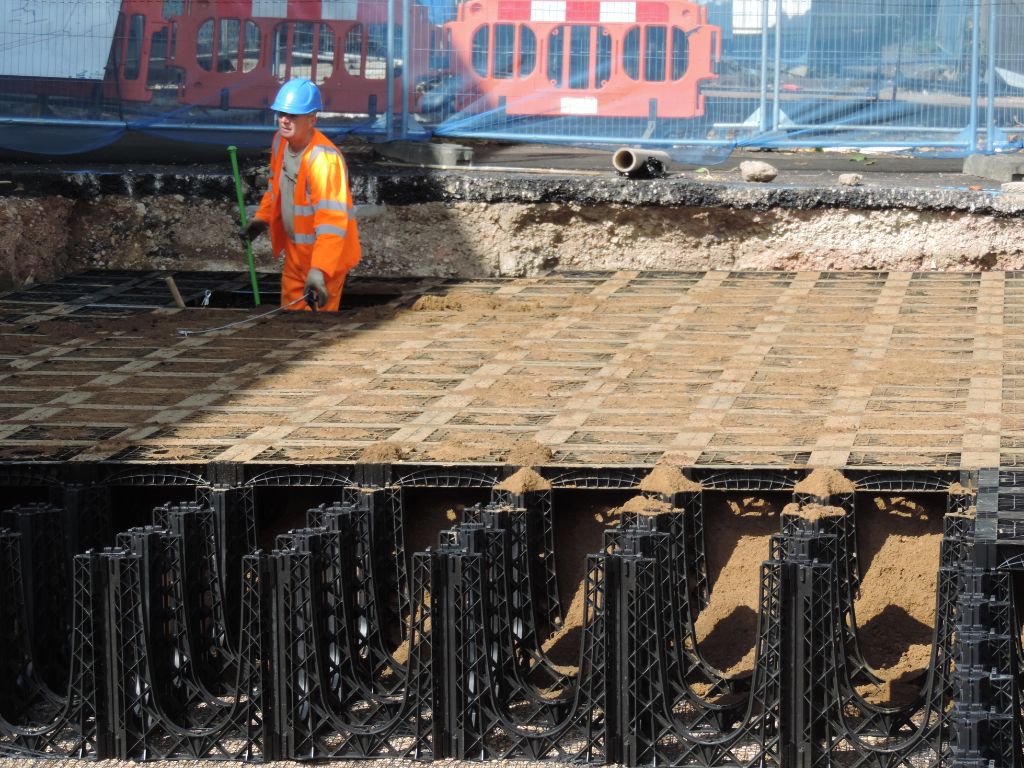
For cities striving to become climate-resilient, this is a significant setback. Soil-sensitive design is essential, and that means specifying systems that protect soils from compaction. Structured soils, load-bearing cells and permeable surfaces are proven approaches to maintaining the function of urban soils even under the pressures of modern city life.
Design Implications for Resilient Cities
Recognising soils as active infrastructure changes the way we think about urban design. Rather than designing tree pits as isolated systems, we can view them as connected trains in a wider green infrastructure network. Integrating soil health into planning supports not just individual trees, but the broader ecosystem services they deliver. From stormwater management to heat reduction, from biodiversity to carbon storage, resilient soils underpin resilient cities.
This shift has practical implications. Those working to design and implement urban design need to collaborate closely to ensure that soil is prioritised from the earliest design stages. Developers must recognise the long-term value of investing in soil systems, which pay dividends in reduced maintenance, enhanced liveability and compliance with climate adaptation targets.
Towards a Soil-Literate Future
If we are to build cities that can withstand the stresses of climate change, we need to rethink our relationship with soil. Healthy soil in tree pits is not a cosmetic detail but a foundation for urban resilience. It regulates water, moderates temperature, cycles nutrients and locks away carbon. It sustains the trees that shade us, clean our air, and connect us with nature. By treating soil as the hidden infrastructure it truly is, we can move beyond short-term fixes and build enduring systems that support both people and the planet.