Cities across the United States are evolving. New developments are increasingly expected to serve multiple functions, moving people efficiently, offering access to nature, and protecting communities from both crime and climate-related risks. As this shift continues, there is growing recognition that trees are essential to building safer, healthier places to live and work.
Urban trees provide practical, measurable safety benefits that extend well beyond their environmental or aesthetic value. From calming traffic and reducing flood risk to protecting public health, trees directly impact how our streets function and how people behave within them. For urban planners, landscape architects and municipal leaders, this makes urban trees a valuable tool in creating safer, more resilient communities.
Traffic Calming and Road Safety
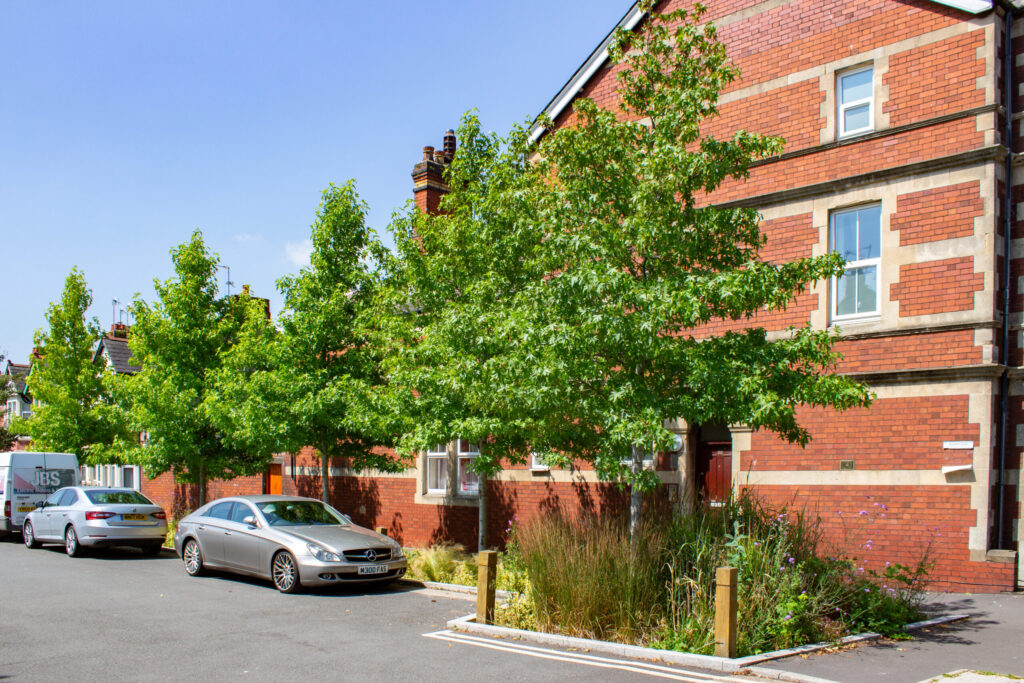
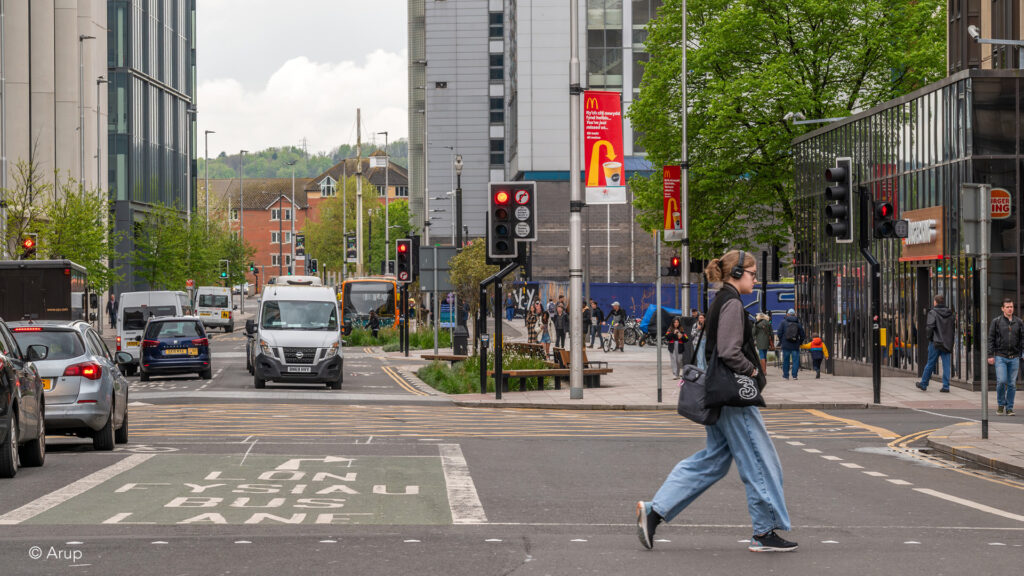
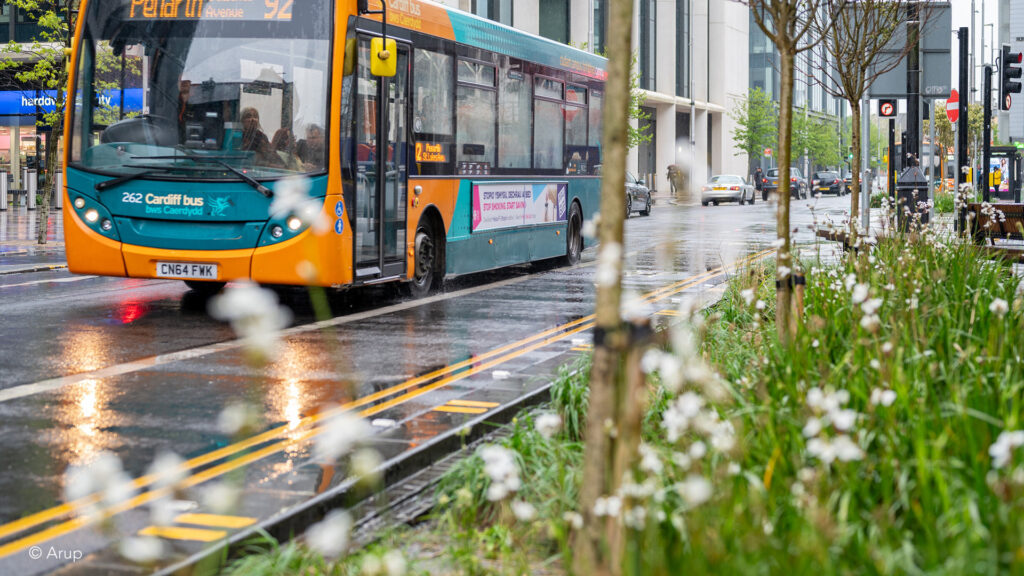
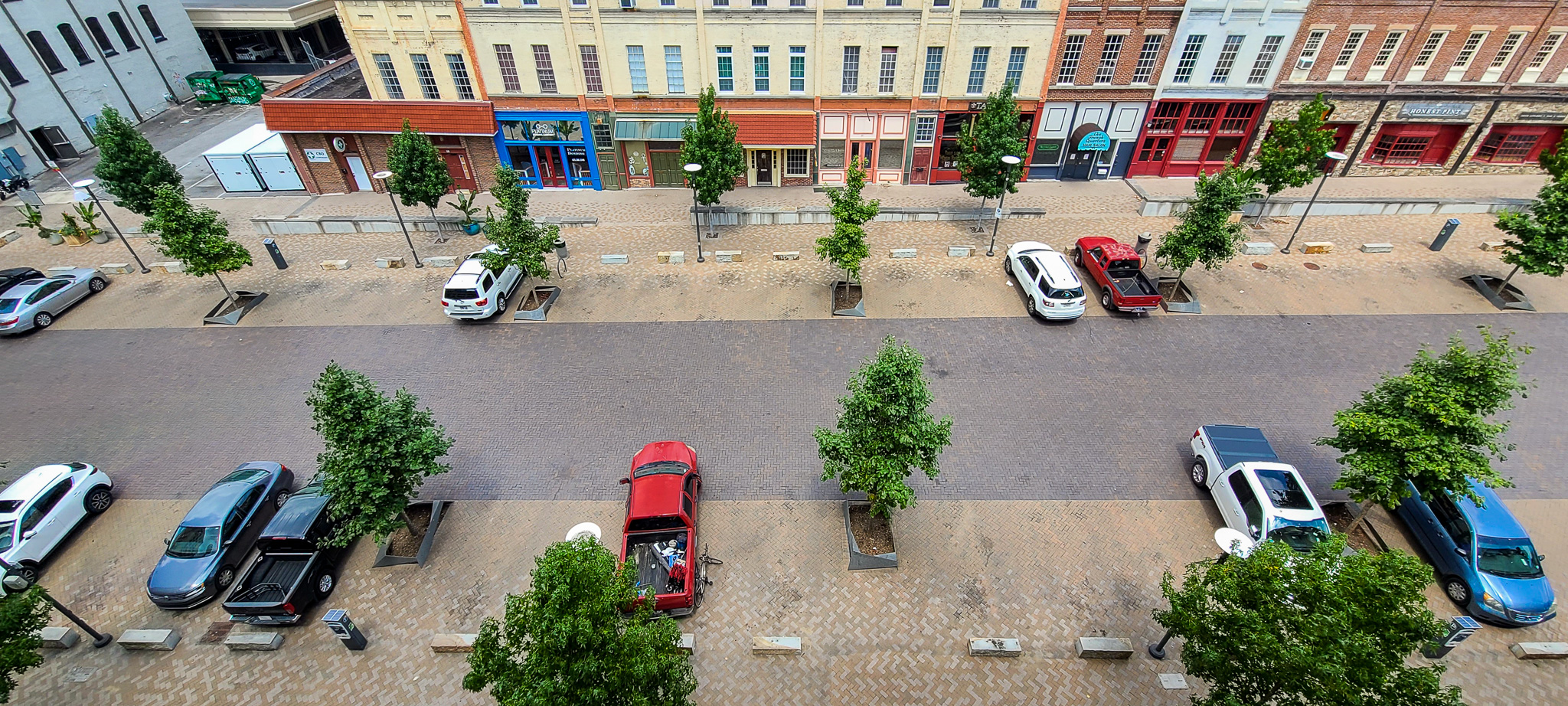
One of the most immediate ways trees contribute to urban safety is through their influence on driver behavior. Studies in the U.S. and abroad show that drivers respond differently on streets lined with trees. Vertical elements such as trunks and canopies create a psychological sense of narrowing that naturally encourages slower speeds. Unlike painted road markings or signage, trees influence behavior subconsciously. The result is reduced vehicle speed, which lowers the likelihood and severity of crashes.
This effect is particularly important in residential neighborhoods, near schools, and along key walking and cycling routes. Where urban trees are integrated thoughtfully, the entire street benefits: pedestrians feel more comfortable, cyclists are more confident, and drivers navigate with greater care. The result is a safer, more balanced streetscape.
Public Safety and Behavior
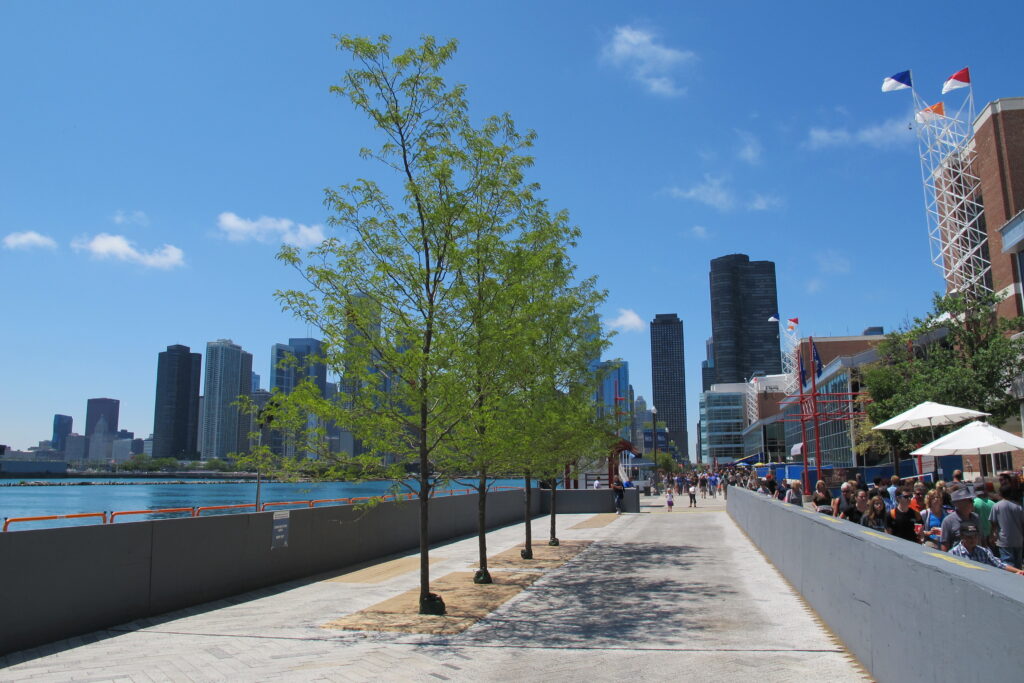
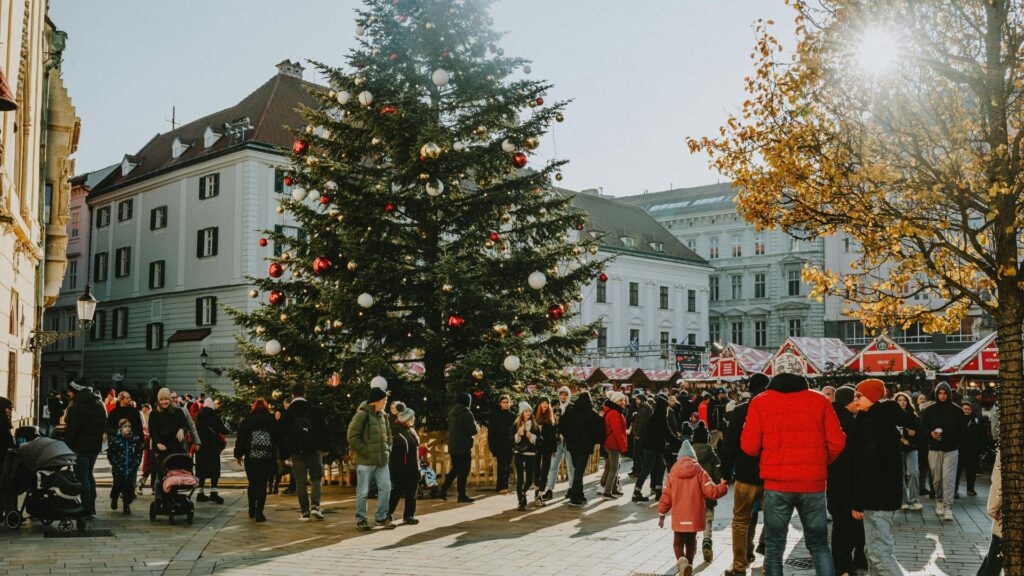
Beyond traffic management, trees also shape how people interact with public spaces. Well-maintained green infrastructure encourages people to spend time outdoors, walk, and engage with their community. Streets with healthy tree cover often see increased foot traffic, stronger natural surveillance, and heightened neighborhood pride, all factors linked to lower crime and antisocial behavior.
When a space appears cared for and actively used, people are more likely to respect it. Trees signal that an area is valued by the community, which can reduce vandalism and neglect. By providing visual structure and inviting shade, trees help create places where people naturally feel and behave more positively.
Urban Heat and Air Quality
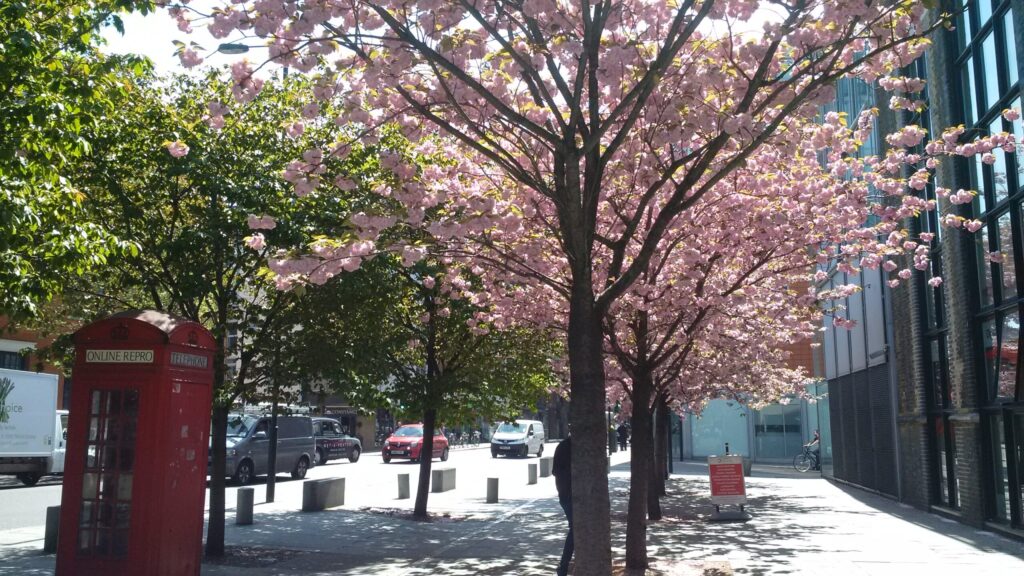
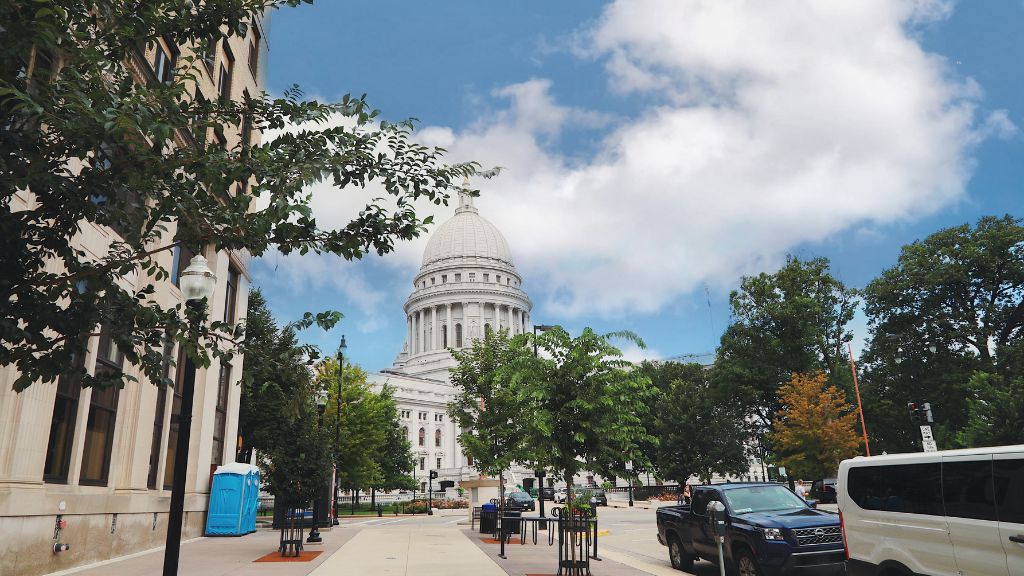
Urban trees also deliver critical public health benefits, particularly in protecting residents from extreme heat and air pollution. During hotter months, asphalt and concrete absorb and radiate heat, creating dangerous urban heat islands. Shade from trees and the cooling effect of evapotranspiration can lower street-level temperatures by several degrees, making sidewalks, parks, and transit stops safer for vulnerable populations.
Cleaner air is another vital outcome. Trees filter harmful pollutants such as nitrogen dioxide and fine particulate matter (PM2.5), both common in areas with heavy traffic. By reducing exposure, trees support respiratory health, especially important for children, older adults, and people with asthma. Safer air means healthier communities.
Flooding, Drainage, and Infrastructure Protection
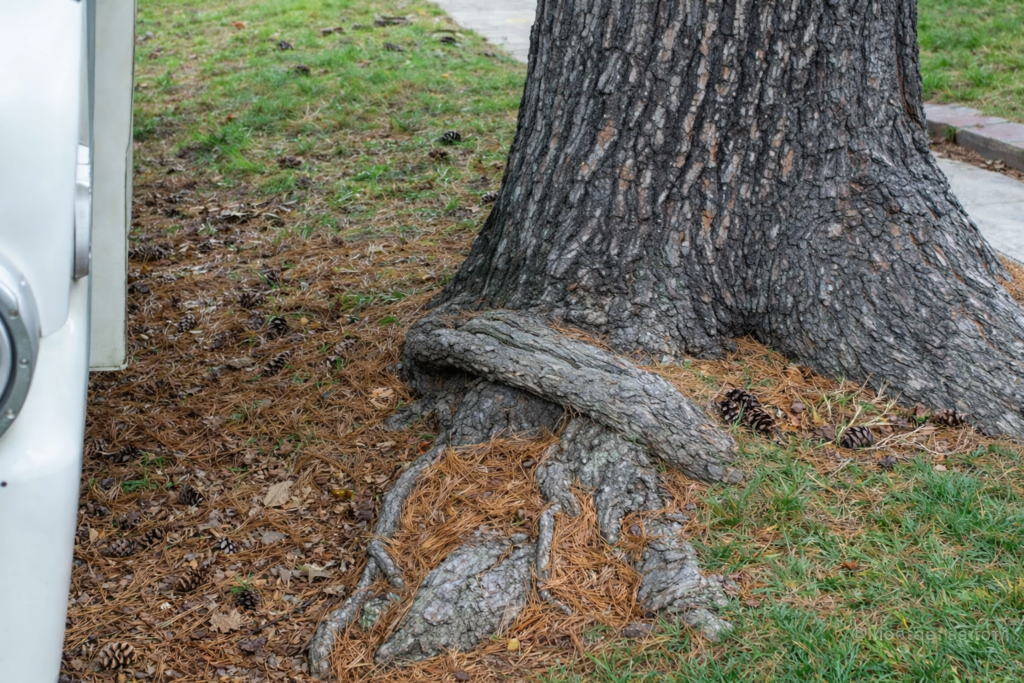
As climate risks intensify, trees also play a role in protecting cities from flooding. Heavy rainfall events, becoming more frequent across much of the U.S., can overwhelm drainage systems and damage infrastructure. Trees act as a natural first line of defense. Their root systems increase water infiltration while canopies intercept rainfall, slowing the flow to storm drains.
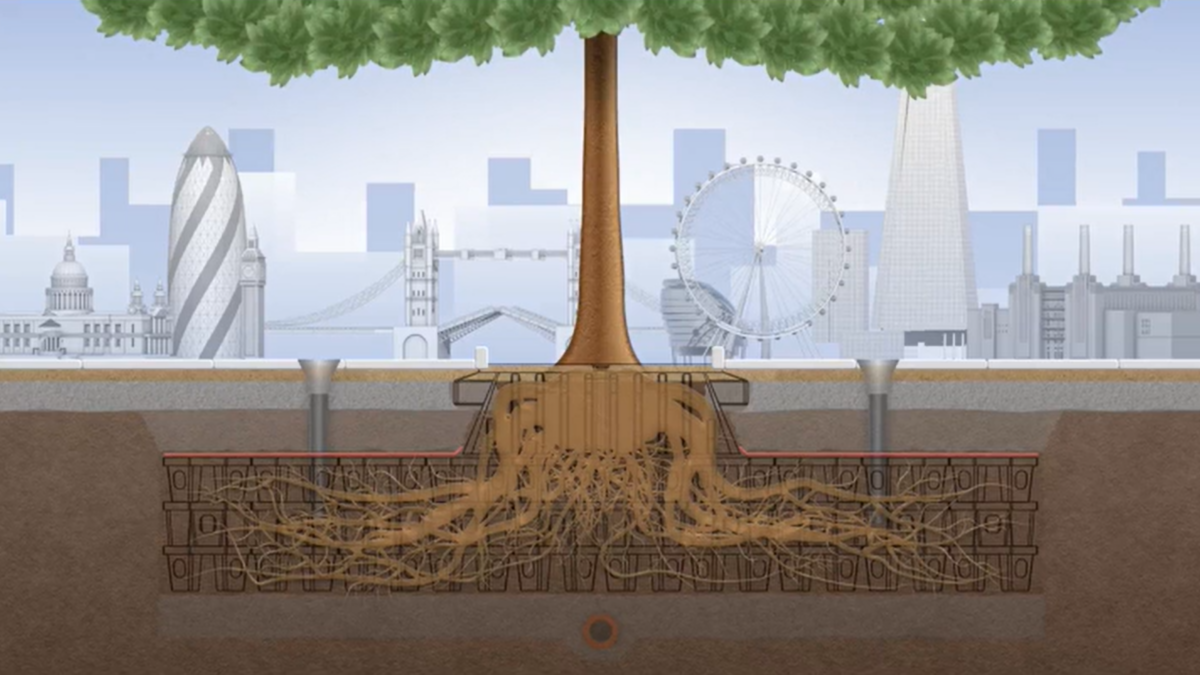
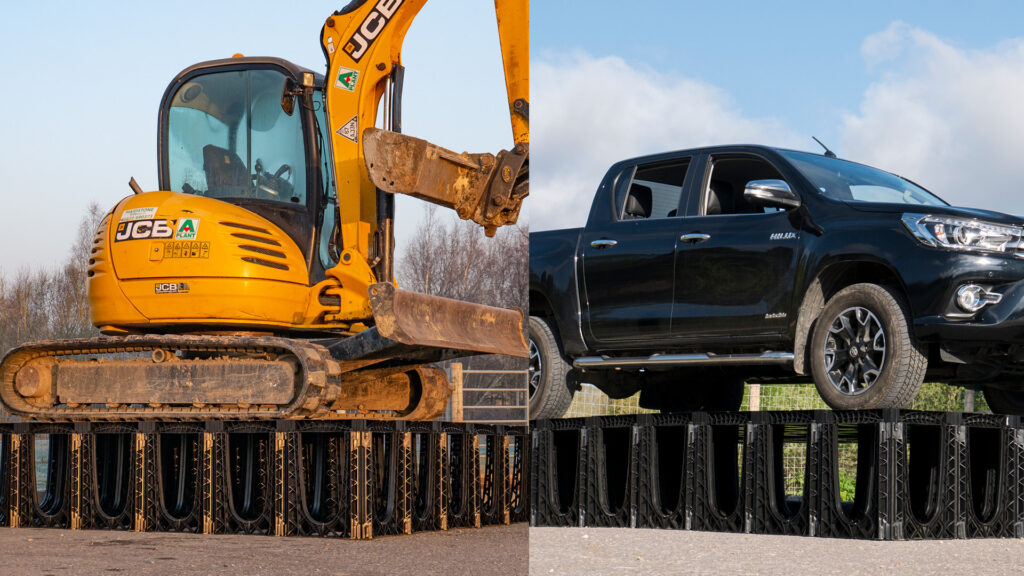
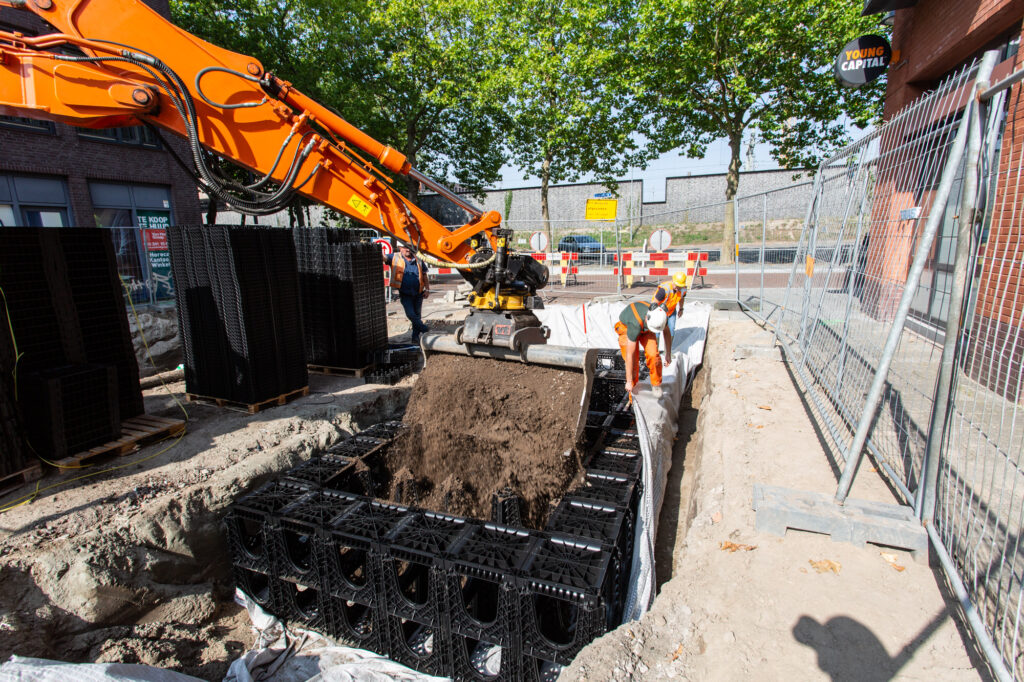
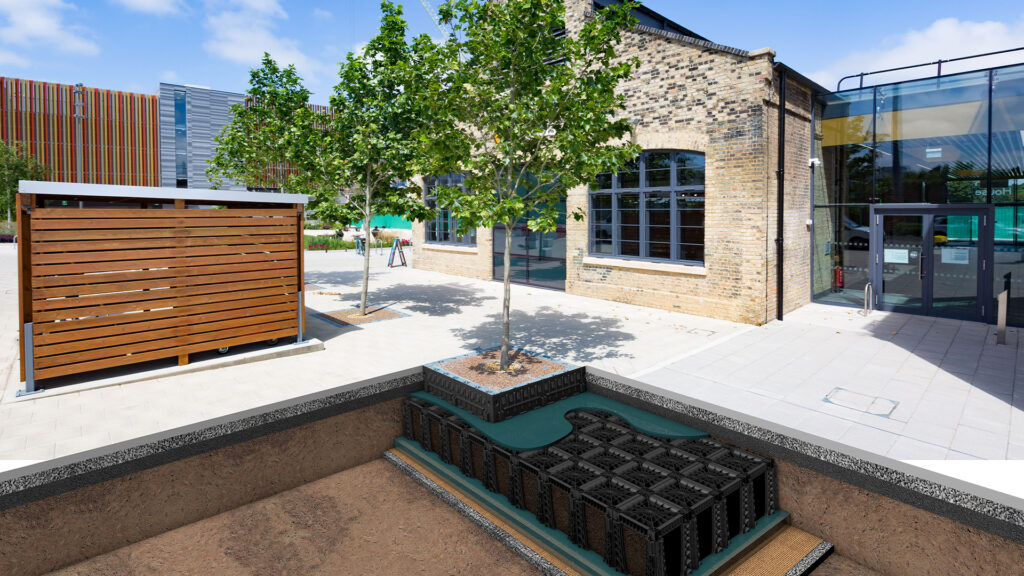
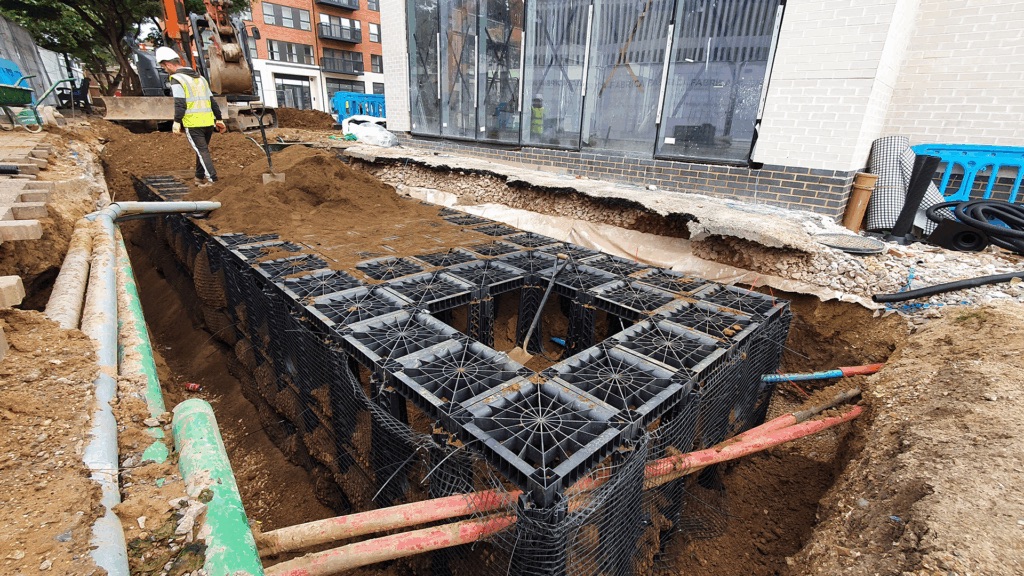
When paired with engineered green infrastructure solutions such as stormwater tree trenches, bioswales, or permeable pavements, trees become part of a larger strategy to manage runoff at the source. This reduces surface flooding, protects critical infrastructure, and keeps streets, businesses, and essential services operational during extreme weather.
From Greenery to Strategy
Urban trees are not just nice-to-have features; they are essential infrastructure that enhances safety, health, and resilience. They influence how drivers behave, how stormwater is managed, how heat is moderated, and how people perceive and use public spaces.
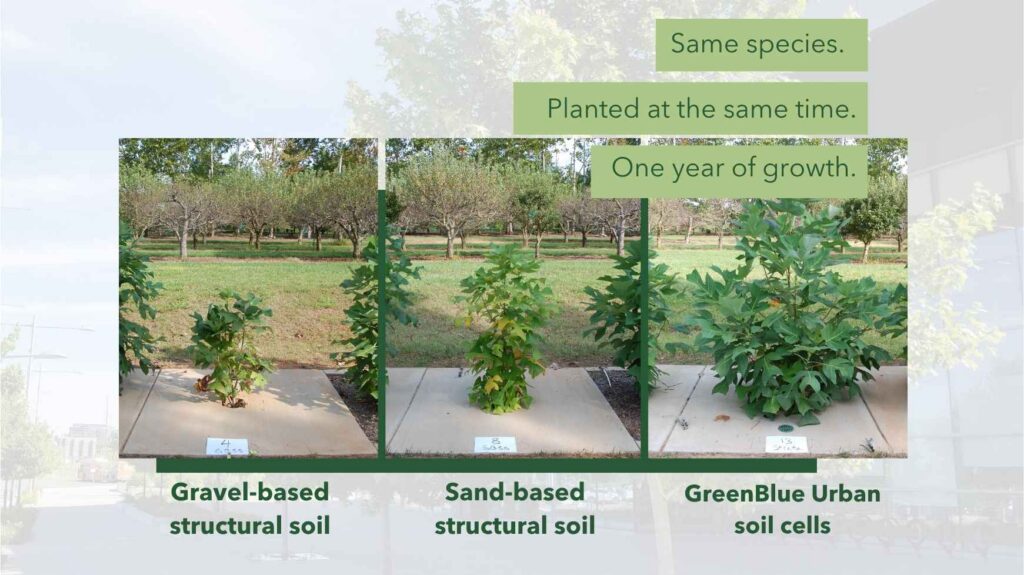
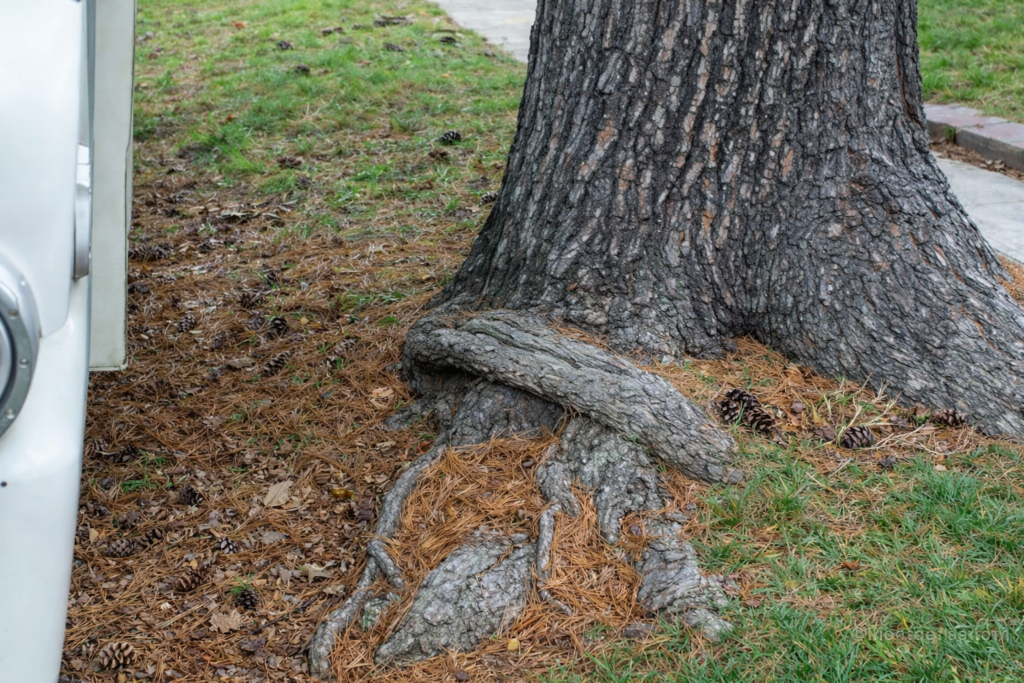
The challenge is to ensure that tree planting is treated not as decoration but as a long-term investment. This means giving trees the right conditions to thrive, even in dense, high-traffic environments, and embedding them into transportation planning, climate adaptation, and public safety strategies from the outset.
As U.S. cities face growing pressures from climate change, population growth, and congestion, the role of trees in shaping safer, healthier, and more resilient streets will only increase. The opportunity lies in treating trees as critical infrastructure, practical, evidence-based tools for building better, safer places for all.