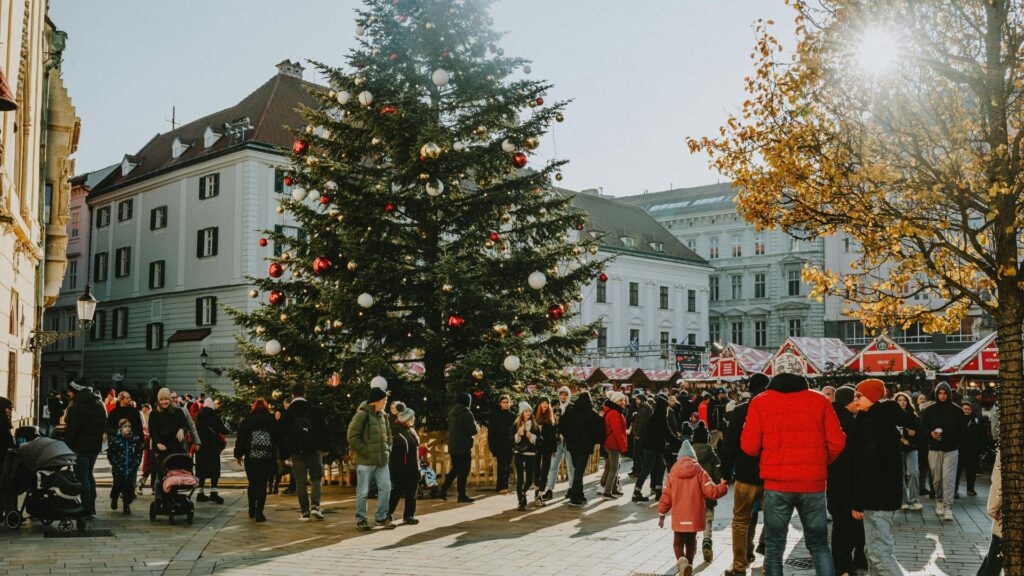
Placemaking is the collaborative process of shaping public spaces to maximise shared value and strengthen the connection between people and the places they share. At its centre, it’s about transforming urban spaces into vibrant community places that people are drawn to visit, linger in, and care about. In our cities and towns, one of the most powerful placemaking approaches is what is called clever greening, a way of thinking that goes beyond aesthetics to fundamentally change how we relate to our built environment.
This isn’t simply about adding more plants to city streets. It’s about thoughtfully integrating natural elements that work with nature, not against it. Good urban greening focuses on three key things: healthy soil, the right plants, and smart water management, combining them to create spaces that are good for both nature and people.
A Holistic Approach to Urban Development
Urban greening represents a major shift in how we think about city development. Instead of treating nature as an add-on or an afterthought, it puts natural systems at the heart of creating vibrant and resilient urban spaces. This approach is especially important as our cities face climate change challenges like extreme weather events, rising temperatures, and loss of biodiversity. By taking a holistic approach to greening our cities, we can turn these challenges into opportunities to create more liveable, sustainable communities.
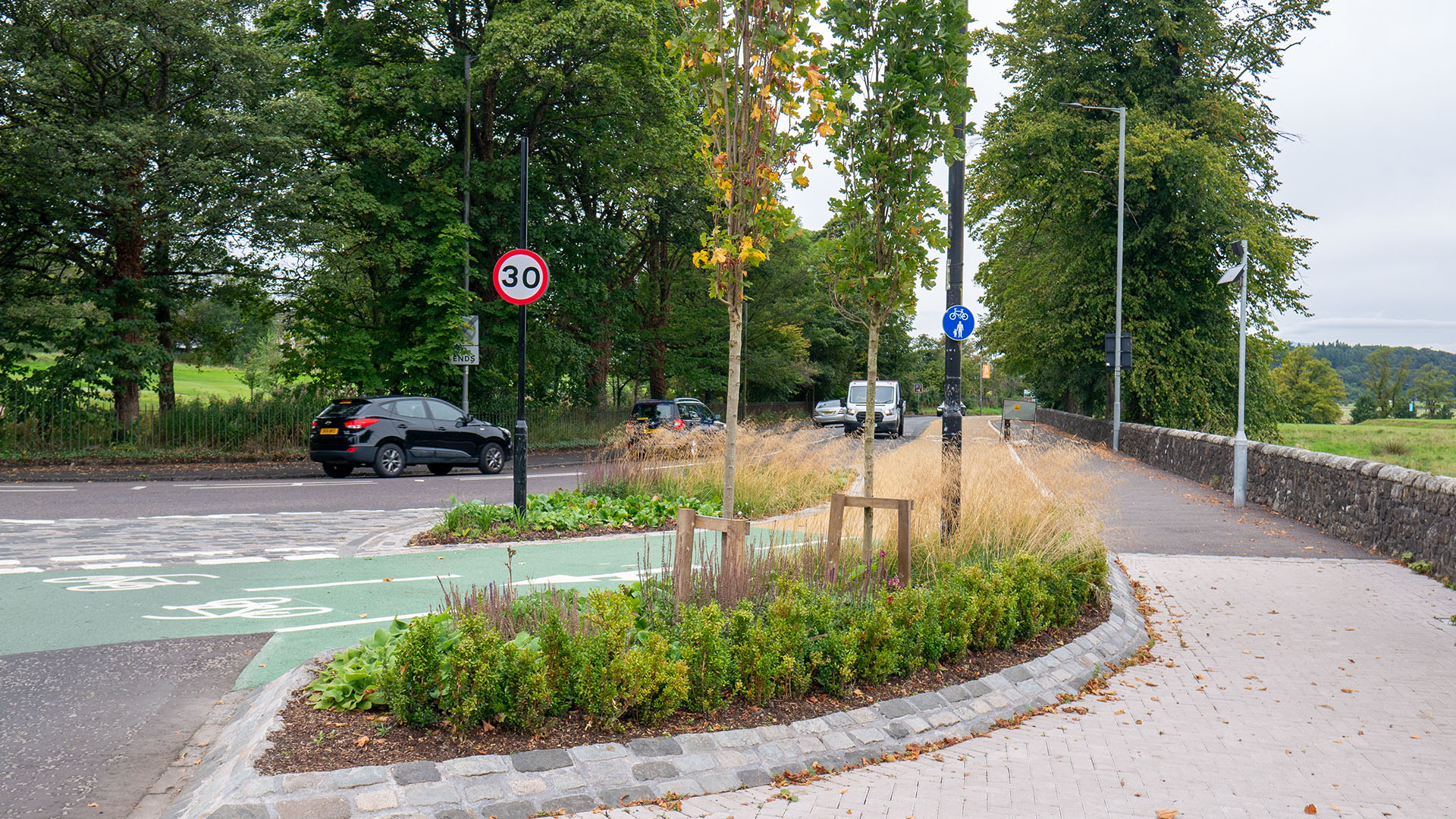
For urban greening to truly succeed in placemaking, we need spaces that serve multiple functions at once. Effective green infrastructure works on many levels: supporting wildlife, managing water, cleaning the air, cooling temperatures, creating walking and cycling routes, and providing spaces for recreation and social interaction. This layered approach, sometimes called a ‘green grid’, makes the most of every bit of urban space, connecting previously isolated green areas and boosting their overall impact. The Walk, Cycle, Live project in Stirling exemplifies this multifunctional approach, acting as a mixed-use development that promotes sustainable mobility, enhances green spaces, and cultivates a sense of community.
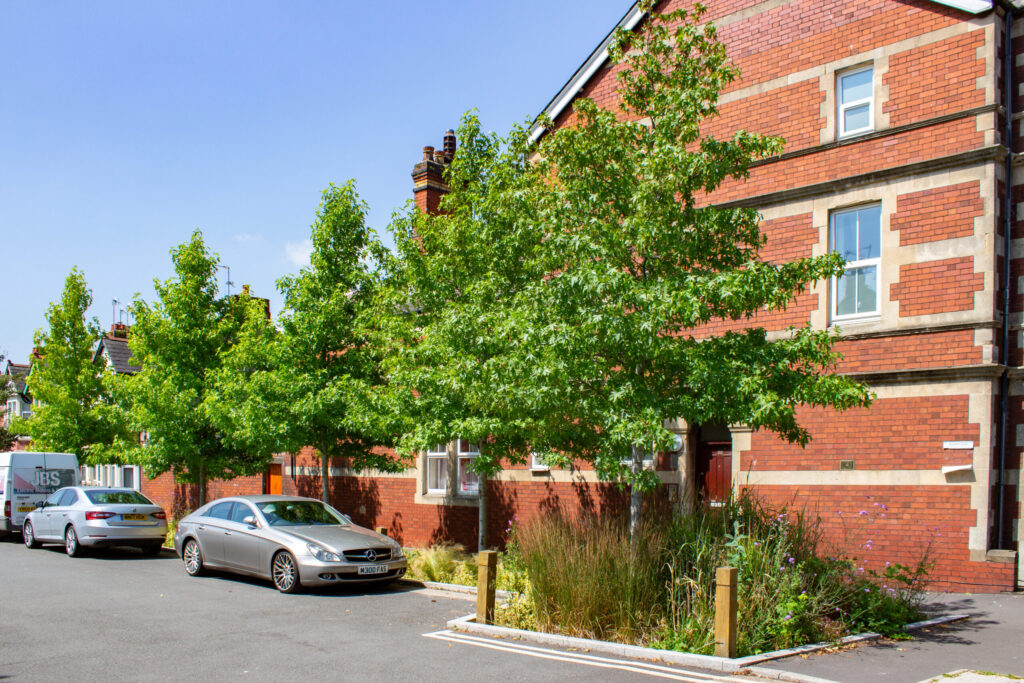
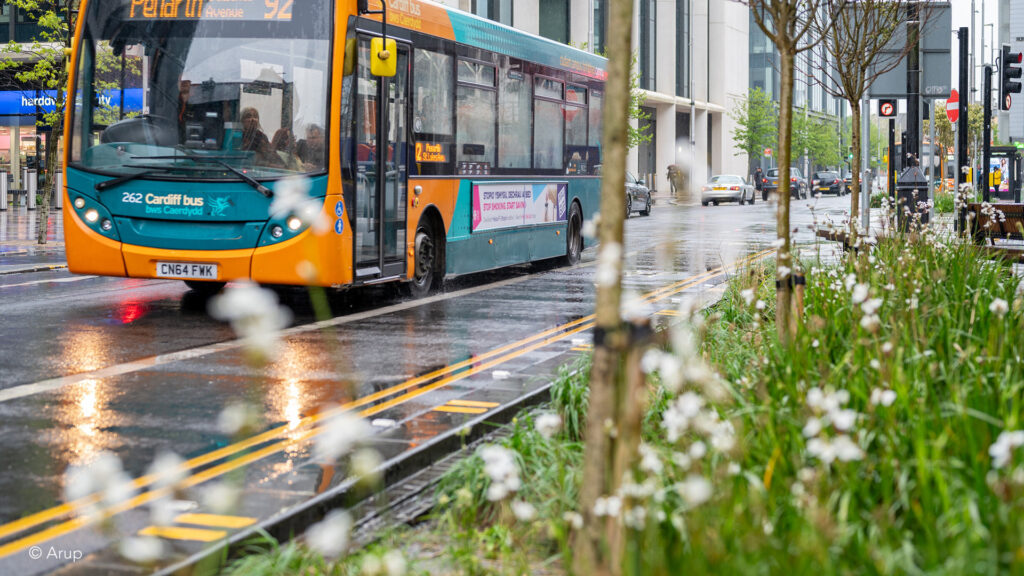
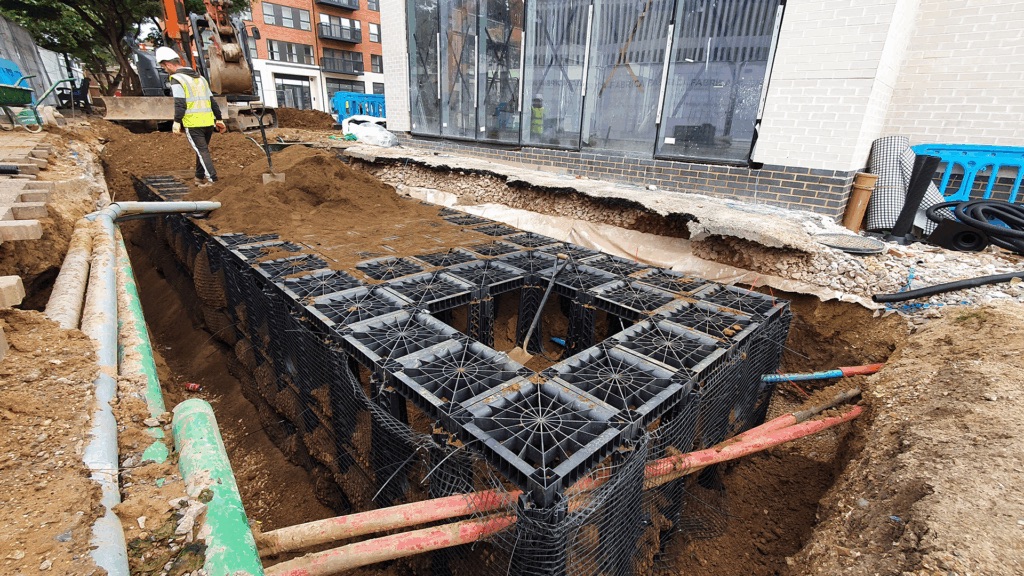
This multi-layered functionality is particularly evident in the ‘sponge city’ concept. This innovative approach focuses on capturing, slowing, cleaning, and using rainwater within the city, rather than quickly channelling it away through traditional drainage systems. Rain gardens, green roofs, and permeable surfaces work together to mimic natural water cycles, reducing flood risk while creating beautiful spaces where people want to spend time. These water-friendly design elements transform neglected streets and unused areas into community gathering places, demonstrating how practical environmental solutions can simultaneously enhance urban life.
Community Engagement: The Heart of Successful Urban Greening
The success of these holistic approaches depends heavily on meaningful community involvement. Good engagement goes beyond formal consultations to foster genuine conversations about local needs and aspirations. By avoiding technical jargon and instead understanding what having access to trees and green spaces means to residents, developers and local authorities can create urban environments with community longevity and relevance. This deeper engagement reveals not only what people want from their environment but also their willingness to help care for natural spaces, creating opportunities for ongoing stewardship that strengthens community bonds.
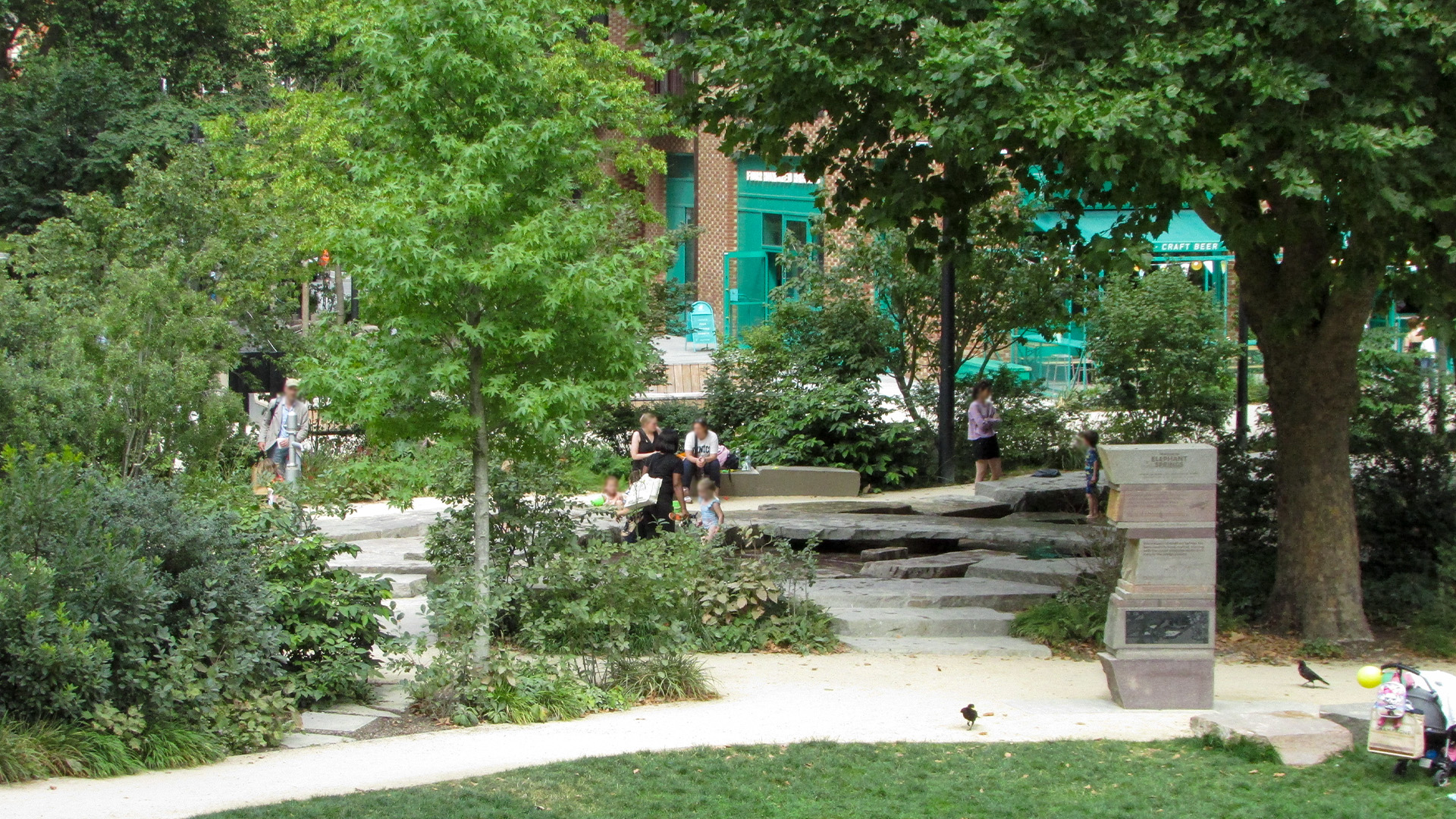
The emotional impact of nature in cities reinforces the importance of this community connection. People often describe feeling joy, relaxation, and having ‘room to breathe’ when they encounter well-designed green spaces in otherwise crowded urban areas. These positive feelings directly affect behaviour – people spend more time in areas with thoughtful green features, creating the increased ‘dwell time’ that helps local businesses and builds community connections. GreenBlue Urban’s work on the award-winning Elephant Park project in Southwark illustrates this principle, creating a space that draws people in and encourages them to connect with the park, nearby retailers, and each other.
Creating meaningful green infrastructure requires breaking down traditional barriers between different professions and departments. Engineers, ecologists, landscape architects, urban planners, and community engagement specialists must work collaboratively to develop sustainable solutions, including early integration of blue and green infrastructure at the master planning stage. Only through this kind of cross-disciplinary teamwork can we address the complex challenges of urban environments and ensure that greening efforts resonate with the communities they serve.
The Economics and Policy of Green Innovation
The collaborative approach to urban greening inevitably raises questions about funding and implementation. While initial costs may seem higher than more traditional options, the long-term benefits – including reduced flood damage, fewer heat-related illnesses, better mental health, increased property values, and more commercial activity – often far outweigh these investments. New approaches like biodiversity credit markets offer alternative funding mechanisms for improving unused urban land, particularly for public landowners with tight budgets. These innovative funding methods can help transform parcels of land into valuable green assets that contribute to a wider network of urban nature.
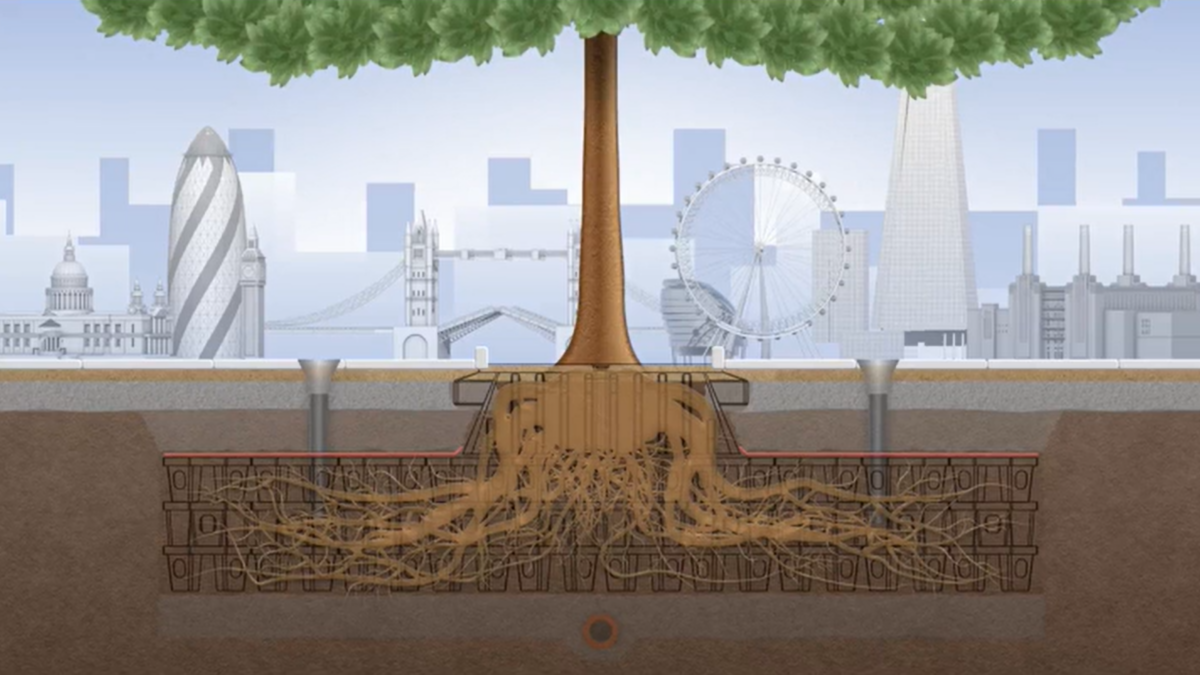
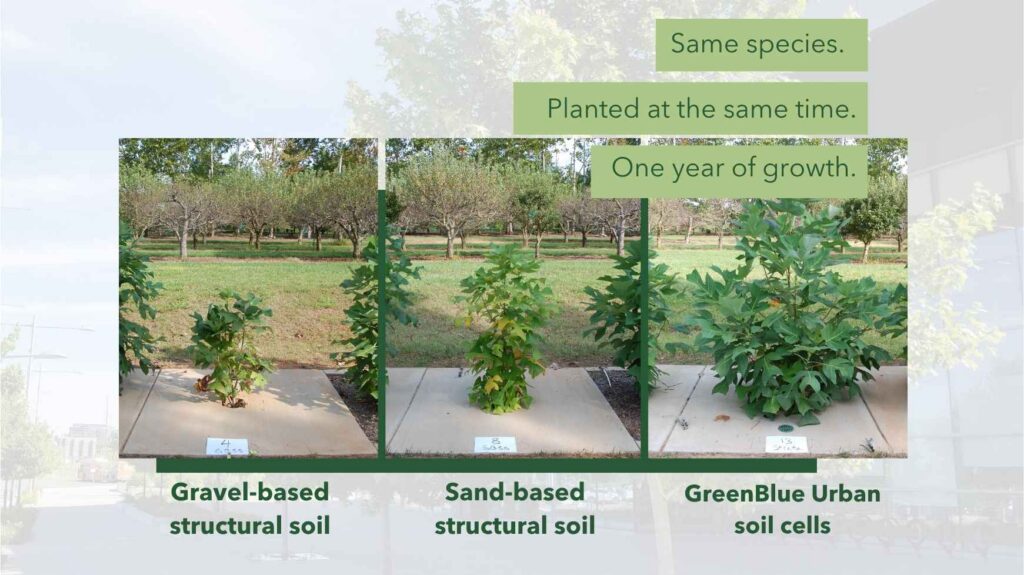
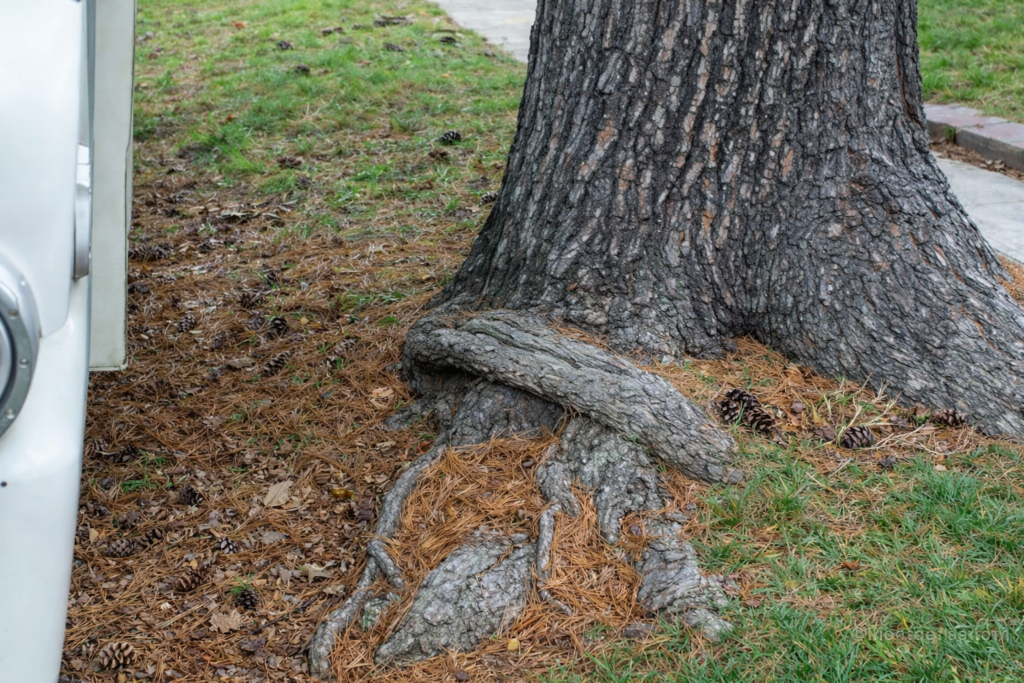
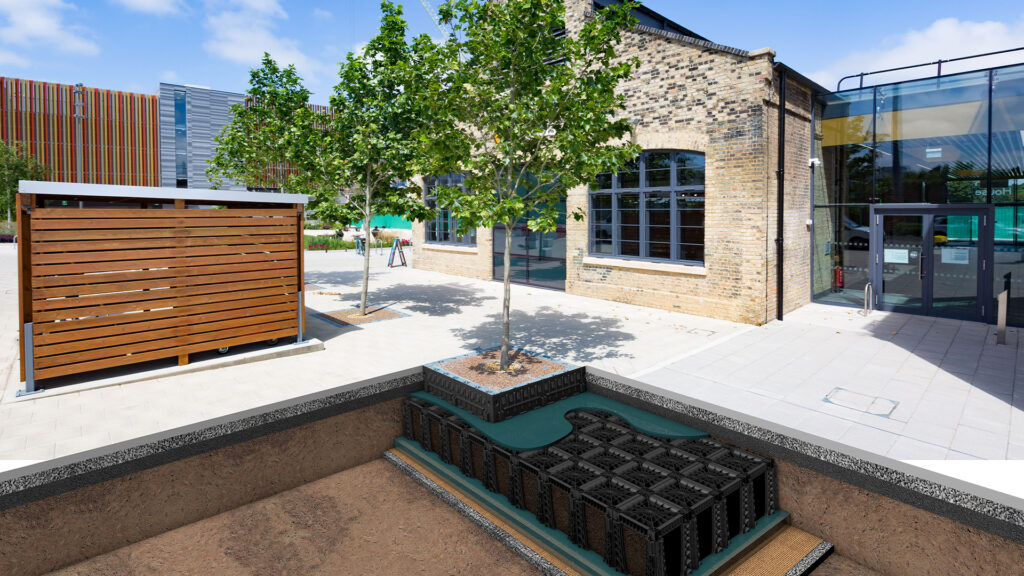
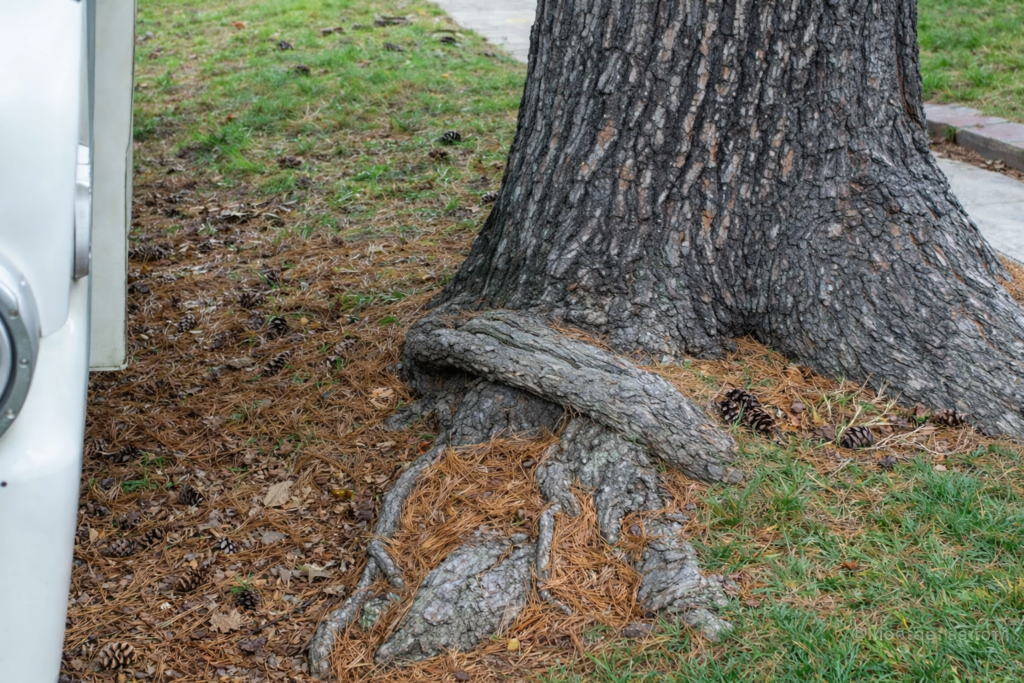
While policies and regulations can drive the implementation of green infrastructure, meaningful change requires a deeper cultural shift within organisations and communities. Successful urban greening initiatives invest heavily in building relationships with consultants, suppliers, and across internal departments to develop the expertise needed for effective implementation. The details are key – from ensuring tree pits have adequate rooting space and soil to choosing the right plants for rain gardens – and require specialised knowledge that must be accessible to everyone involved in the process.
London Wall Place: Bringing Theory to Life
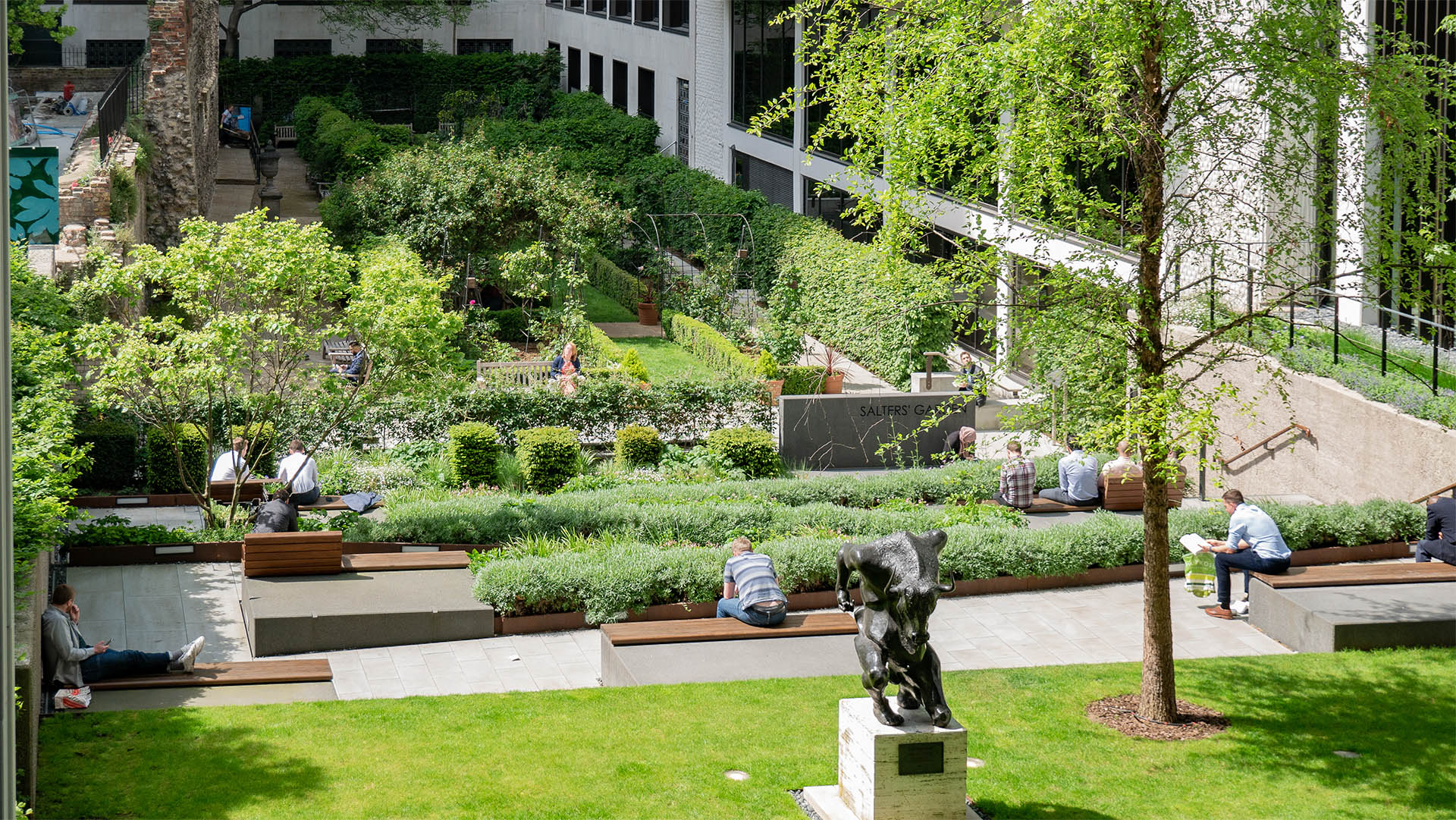
The principles of holistic design and innovative implementation converge in projects like London Wall Place. This award-winning development in the heart of the City of London demonstrates the remarkable placemaking potential of urban greening in historically significant areas. It has transformed what was once a dominating commercial space into an accessible public realm that celebrates the site’s rich history dating back to Roman times.
The project’s landscape design thoughtfully integrates remnants of the Roman London Wall (built around 200 AD) and the historic St. Alphage Gardens. By opening up the central area and reinstating the historic street grid as pedestrian routes, the development has created a series of interconnected landscaped gardens both at street level and on elevated bridges. These carefully designed spaces offer a peaceful retreat from the surrounding urban intensity.
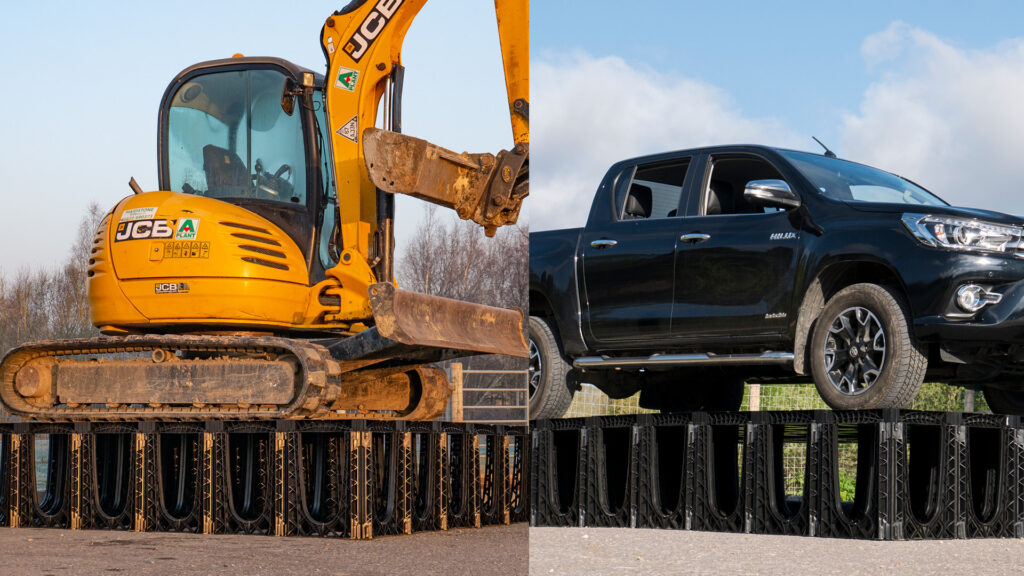
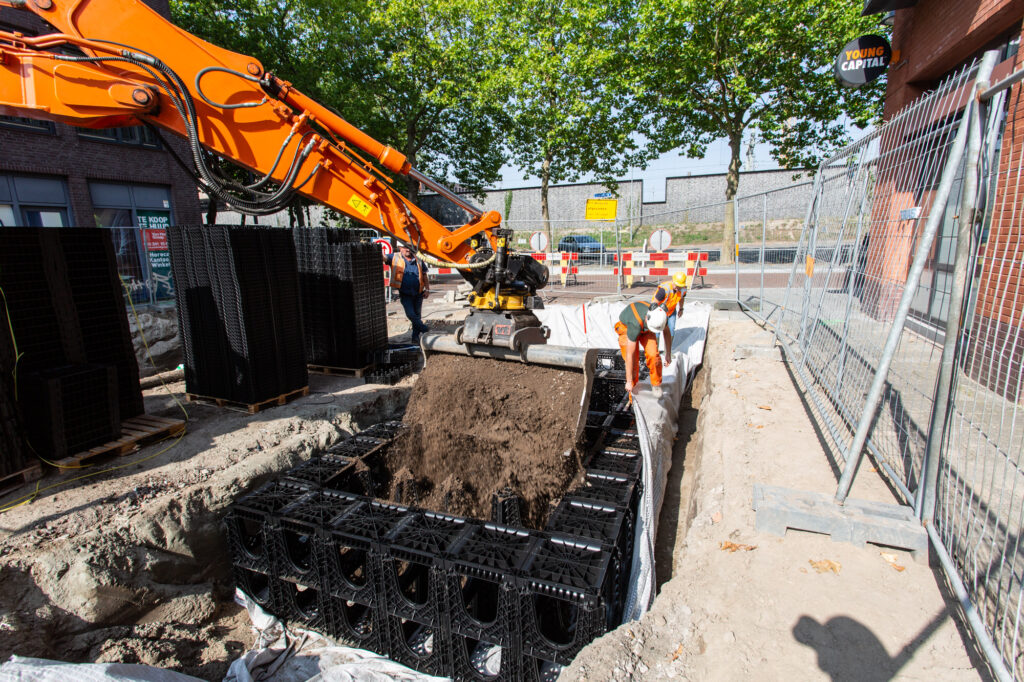
A significant challenge for the project was establishing healthy trees amid complex below-ground infrastructure and archaeological remains. The solution came through innovative technical approaches using GreenBlue Urban’s ArborSystem with soil support cells to connect soil areas, coupled with aeration systems and root management techniques. This careful engineering, combined with strategic tree species selection, has enabled successful tree establishment without disturbing underground utilities or historic structures.
The success of London Wall Place highlights the value of early collaboration in master planning. By bringing landscape architects into the initial planning stages, the development team created a harmonious environment where modern architecture and ancient artifacts coexist within a naturalistic setting. The result is a multi-layered urban park that invites exploration and discovery, connecting visitors with the site’s 1800-year history while providing much-needed green space in the dense urban core.
Looking Forward: Urban Greening as Essential Infrastructure
As we face an uncertain climate future, the placemaking power of urban greening becomes not just desirable but essential. By creating spaces that work with natural processes rather than against them, we can build towns and cities that are more resilient, more beautiful, and better for both people and wildlife. The way forward requires us to see our urban areas not as places where nature is optional but as living ecosystems full of potential.
Through thoughtful and expert-led early integration of green infrastructure we can transform our urban environments into places where communities thrive and where people and nature benefit each other. Urban greening isn’t merely an aesthetic choice, it’s a fundamental strategy for creating sustainable, vibrant urban spaces that will serve generations.
GreenBlue Urban has been helping create sustainable urban spaces for over 30 years, with industry-leading expertise in tree pit systems, sustainable drainage, and green infrastructure design.