Aging combined sewer networks across the UK face mounting pressures, with recent data highlighting the complex challenges water authorities are navigating. Last year, analysis by the BBC showed approximately 6,000 incidents in 2022 where Combined Sewer Overflows (CSOs) happened during dry weather conditions across England – situations that often result from system limitations.
CSOs were designed as essential safety mechanisms to prevent system failures during exceptional precipitation events. However, the current infrastructure, much of it dating back generations, struggles to meet the demands of increasing urbanisation, changing climate patterns, and evolving regulatory standards.
The consequences of these challenges extend beyond operational concerns. They include potential compliance complications, impacts on water quality and ecosystems, effects on recreational water use, implications for tourism-dependent communities, and the challenge of maintaining public confidence while working within system constraints.
Water authorities must balance immediate system requirements with long-term improvement plans while managing public expectations about infrastructure modernisation and investment needs. This situation represents an opportunity for collaborative solutions between regulators, water authorities, communities, and environmental stakeholders.
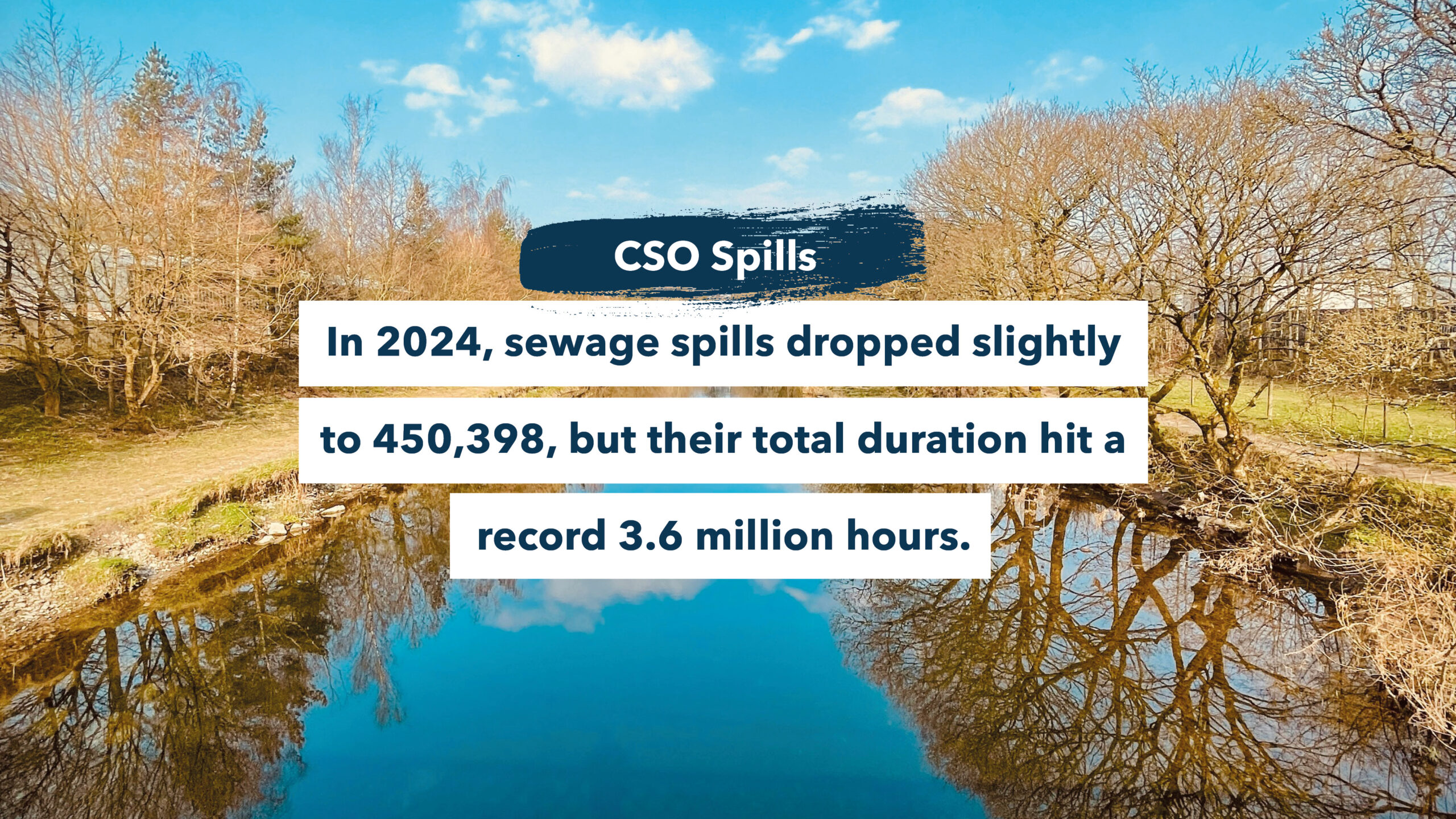
In 2023, raw sewage was discharged into England’s rivers, waterways, and seas 464,056 times, totalling approximately 3.6 million hours of spills. This marks a significant increase from 2021, when there were over 372,000 discharges lasting a combined 2.6 million hours. In 2024, the number of sewage spills slightly decreased to 450,398 incidents. However, the total duration of these spills rose to over 3.61 million hours, setting a new record.
With CSOs posing growing environmental challenges, there is an increasing focus on nature-based, sustainable solutions. Innovative approaches – like GreenBlue Urban’s SuDs solutions – are helping to address these issues through design-led interventions that support both functionality and ecological resilience.
The CSO Challenge: Causes and Impacts
Sewage discharges have surged due to urban expansion, changing weather patterns, and ageing infrastructure. Combined sewer systems, where rainwater and wastewater share pipes for treatment works, rely on CSOs mostly during heavy rainfall to prevent flooding. However, these discharges threaten public health, wildlife, and the environment. Despite the scale of the problem, fixing it is a complex, long-term challenge with implications for public health and increased costs.
Engineering vs Environmental Integration
The traditional engineering solutions involve storing storm flows in large tanks or separating foul and surface water. However, these methods have limitations, including high carbon impacts and time-intensive implementation. Combining engineered with nature-based solutions through blue-green infrastructure and sustainable drainage systems (SuDS) is the perfect solution.
Economic and Environmental Viability
Eliminating storm overflows is neither economically nor environmentally viable. The cost estimates for such a move range from £350 billion to £600 billion, leading to a substantial increase in household bills. A realistic approach to storm overflows which reduces spill frequency is a must. GreenBlue Urban supports this by offering cost-effective and environmentally friendly SuDS products that contribute to reducing spill events and mitigating the overall impact.
Avoiding Quick Fixes
Quick fixes may inadvertently cause greater environmental damage, as investment assumes the main solution could be large storage tanks which have high associated carbon emissions. Recognising the scale of the challenge, the UK government has committed to a £56 billion capital investment over 25 years – the largest infrastructure programme in the water sector’s history – to reduce storm overflows and improve water quality by 2050. This initiative includes separating surface water from sewage and implementing advanced wastewater treatment technologies at storm overflows.
To enhance transparency and enforcement, water authorities were required to install event duration monitors (EDMs) on all storm overflows by the end of 2023, achieving a 100% rollout compared to just 10% in 2015. This aligns with best practice being carefully planned, data-driven interventions that mitigate flood risks and promote sustainable, nature-based solutions.
Defra and the Environment Agency has pledged to double the number of projects incorporating Nature NBS by 2027, aiming to reach 260 such projects. As of the first two years of the programme, 52 NBS projects have had their business cases approved.
Blue-Green Infrastructure
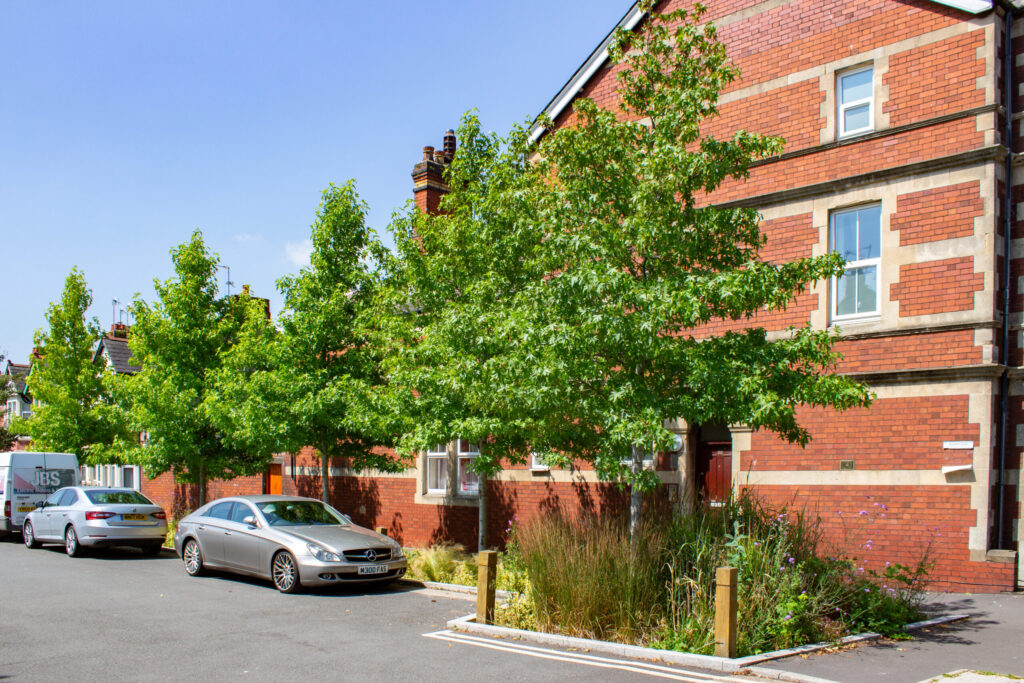
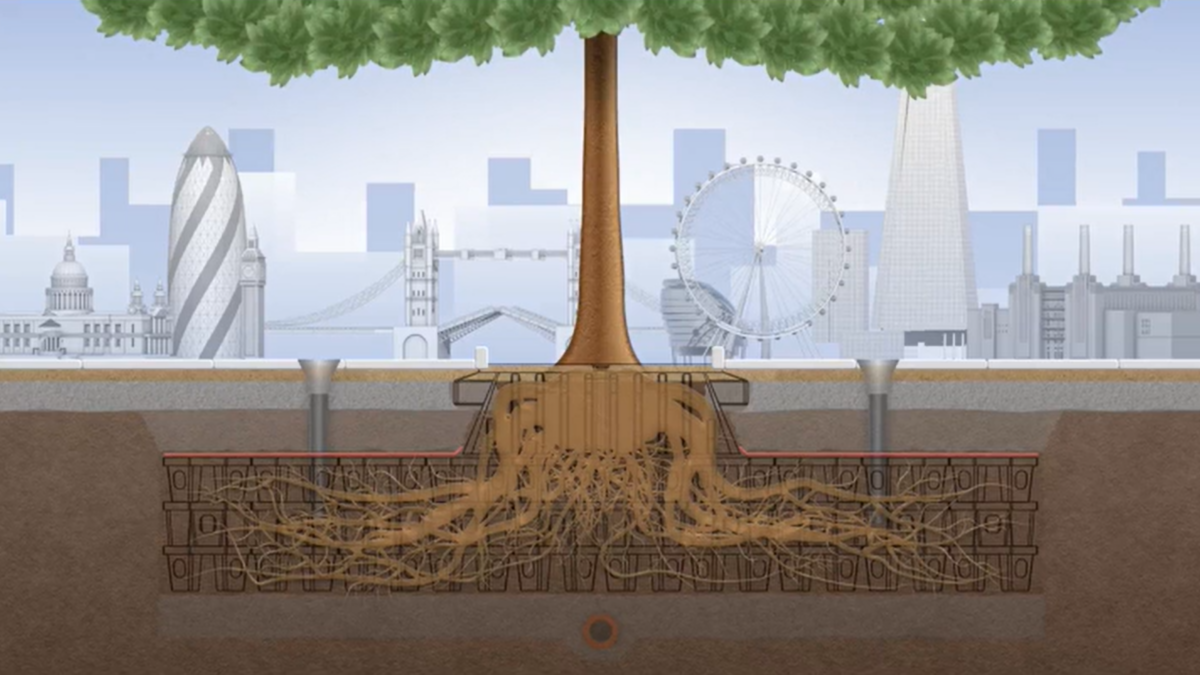
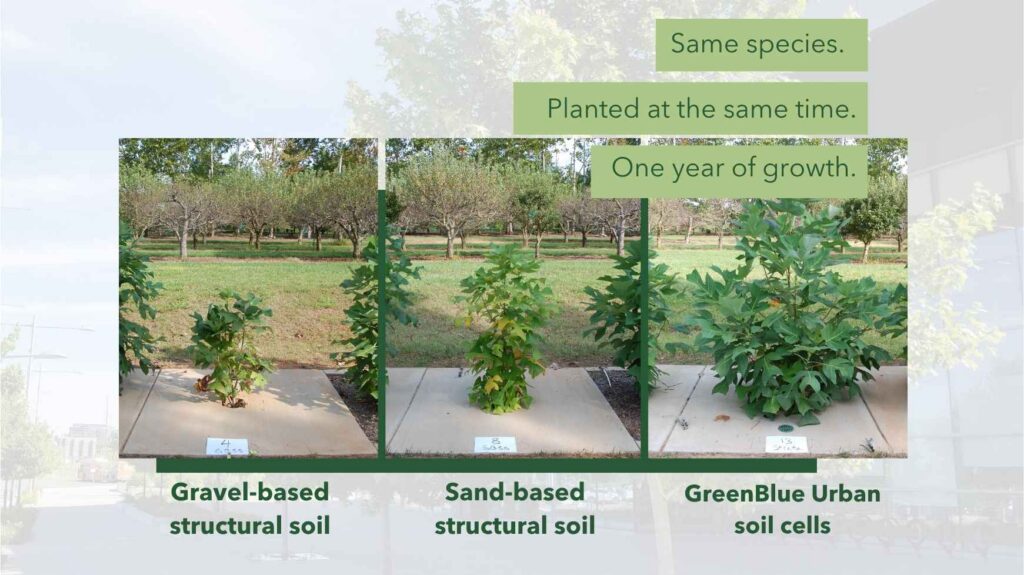
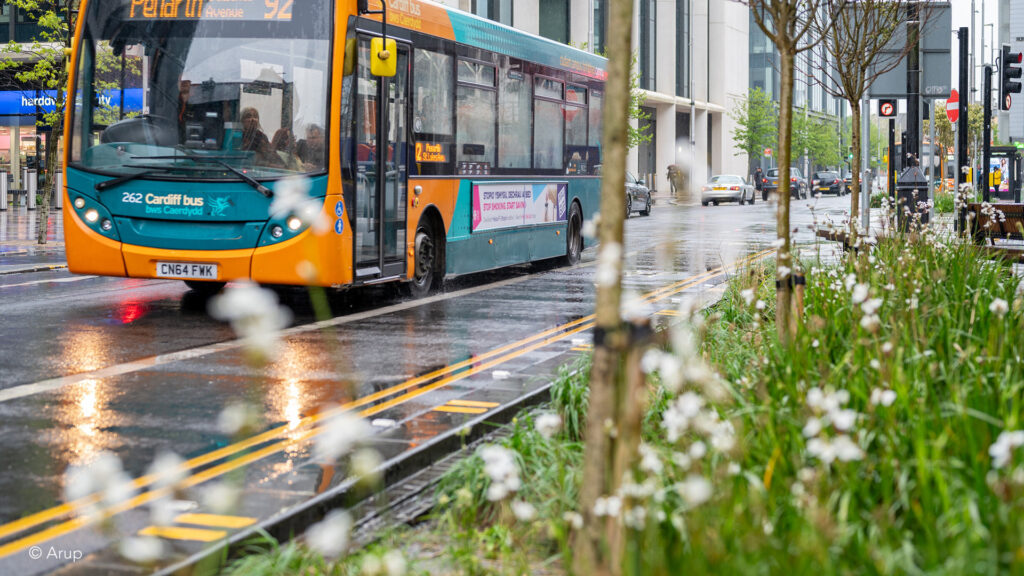
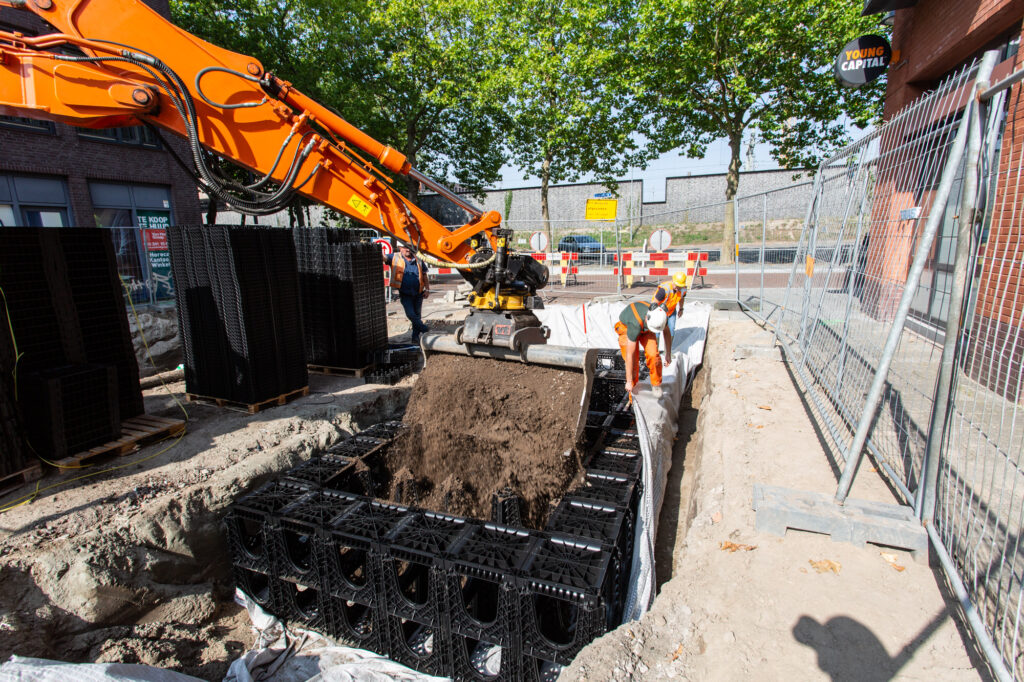
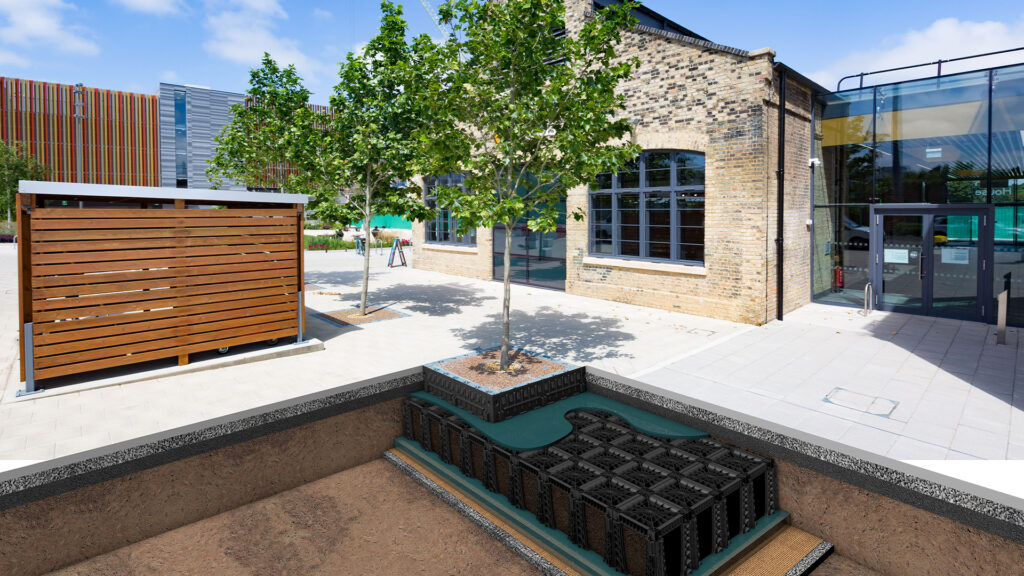
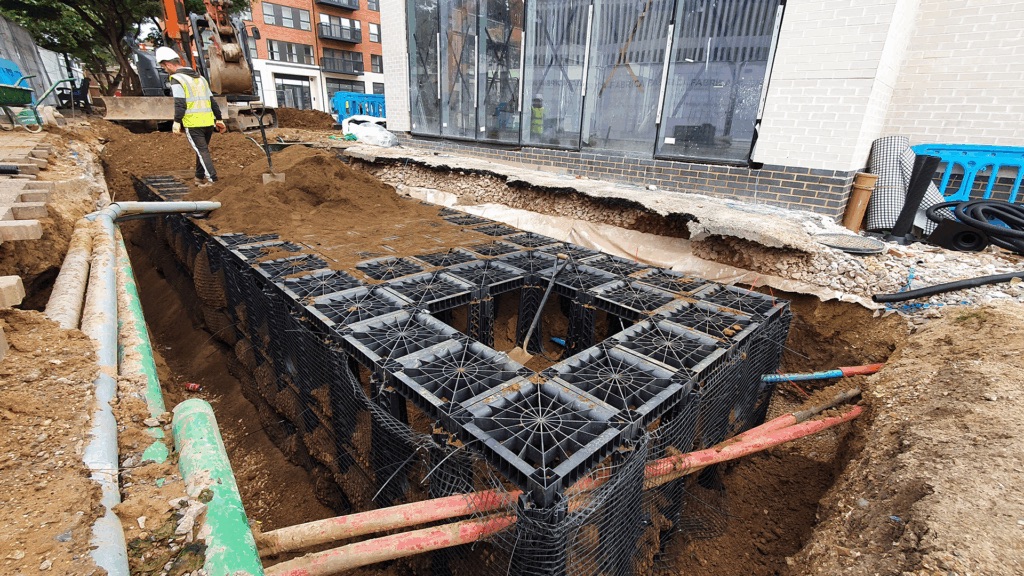
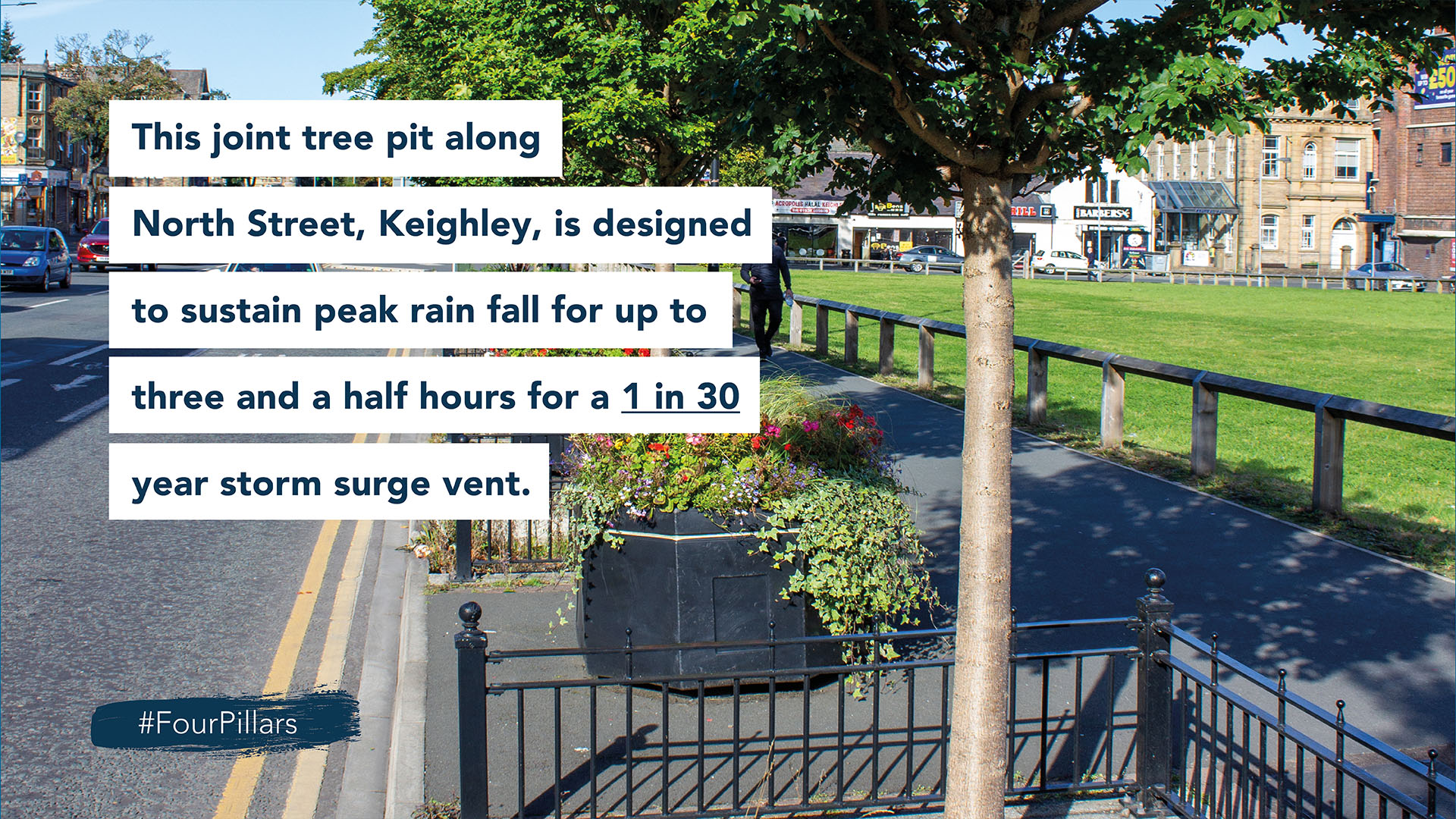
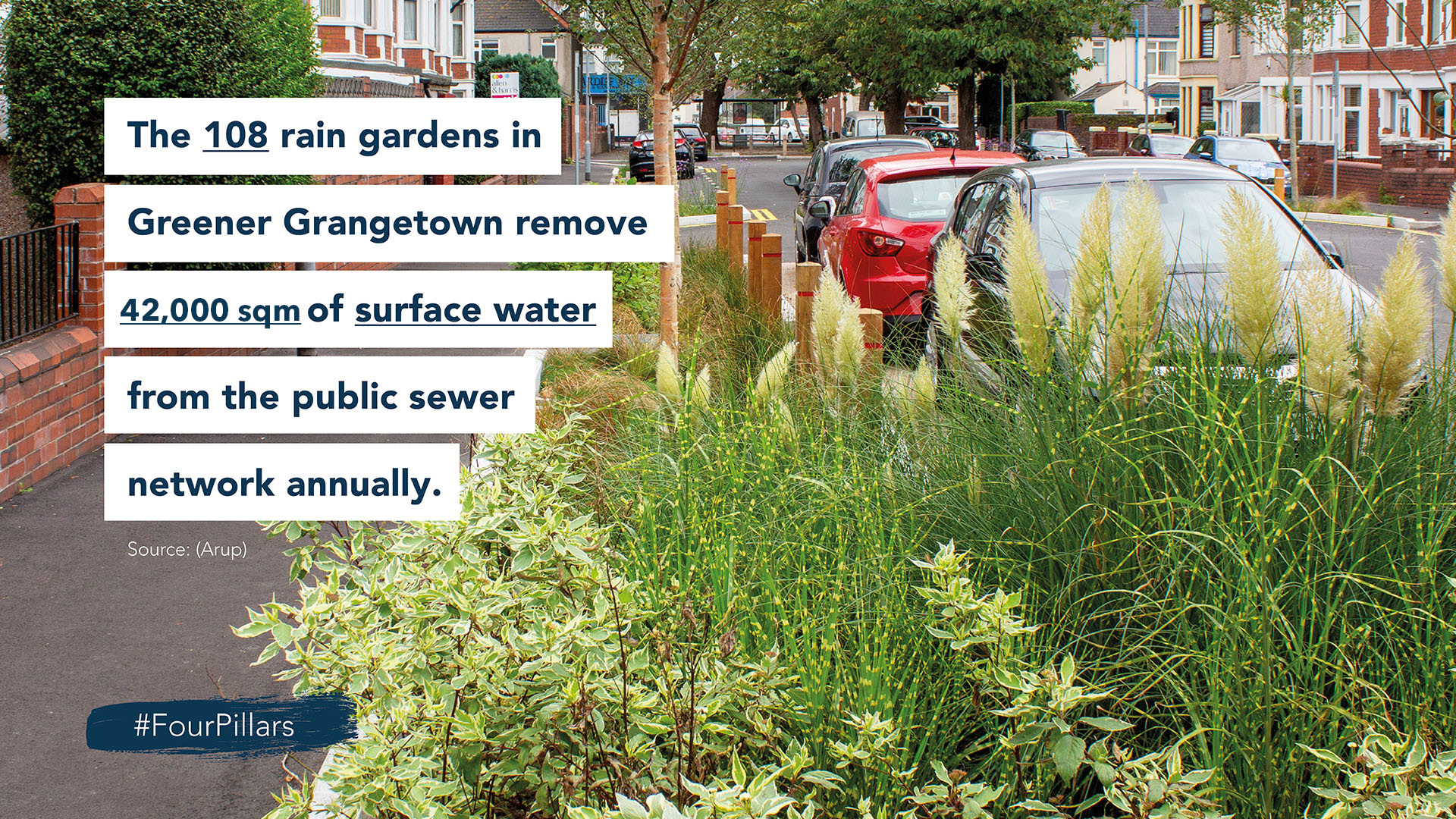
Through the development of innovative SuDs solutions, GreenBlue Urban provides practical, scalable solutions that work with natural processes to manage surface water more effectively. Our approach includes the integration of tree planting systems, rain gardens, and SuDs planters – each designed to intercept, store, and slowly release rainwater, reducing pressure on traditional drainage networks and contributing to the overall resilience of urban areas while enhancing biodiversity.
Addressing the challenges of CSO overflows demands a comprehensive and sustainable approach. GreenBlue Urban’s nature-based solutions play a crucial role in meeting these challenges, aligning with and contributing to the creation of flood-resilient and environmentally friendly communities. As the UK navigates this complex issue, collaboration between engineering, environmental, and public sectors is vital to finding economically and environmentally acceptable solutions for the benefit of all.