Green and Blue is Good For You: Presentation at Newcastle University on the Health Benefits of Urban Trees

GreenBlue Urban recently had the immense pleasure of presenting to post graduate Planning and Architecture students at the University of Newcastle, UK on the health benefits of integrating trees into urban designs of all scales and for a variety of uses.

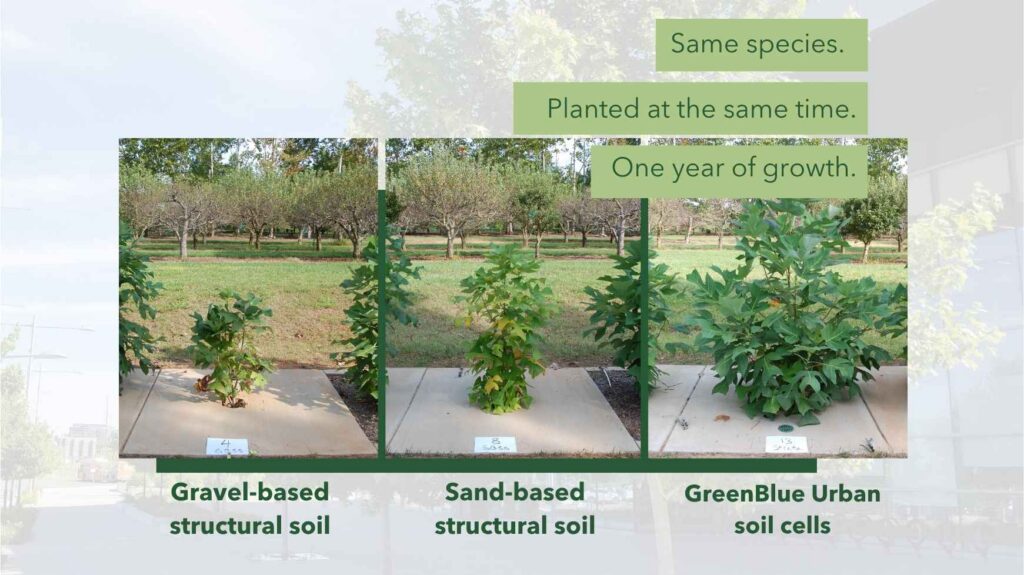
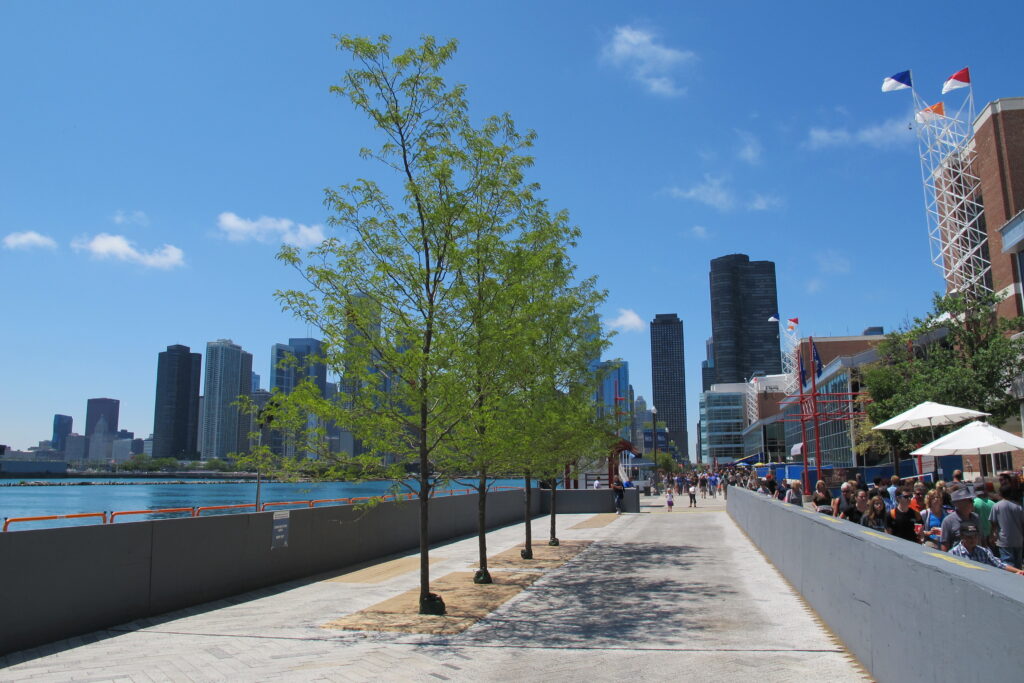
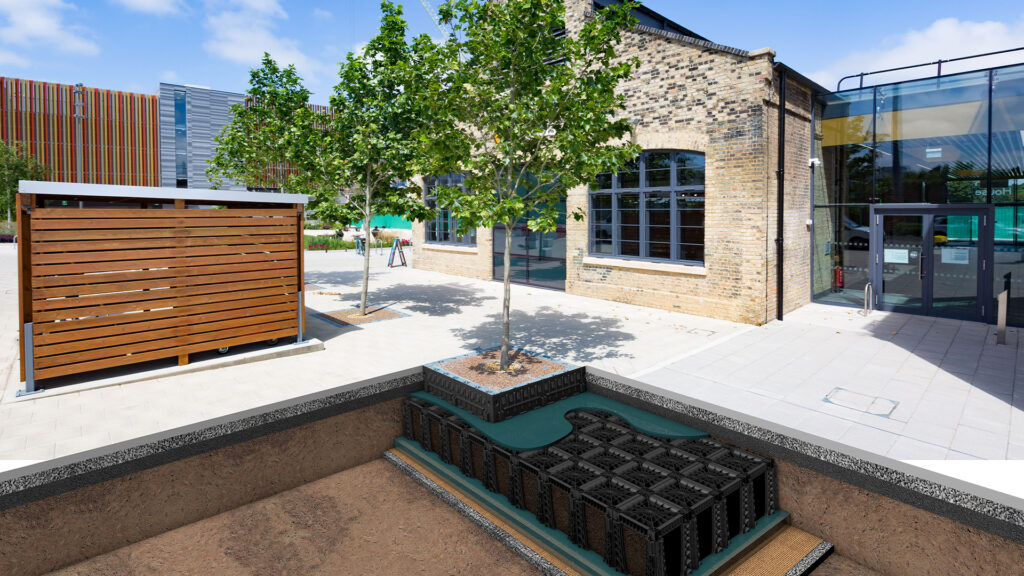
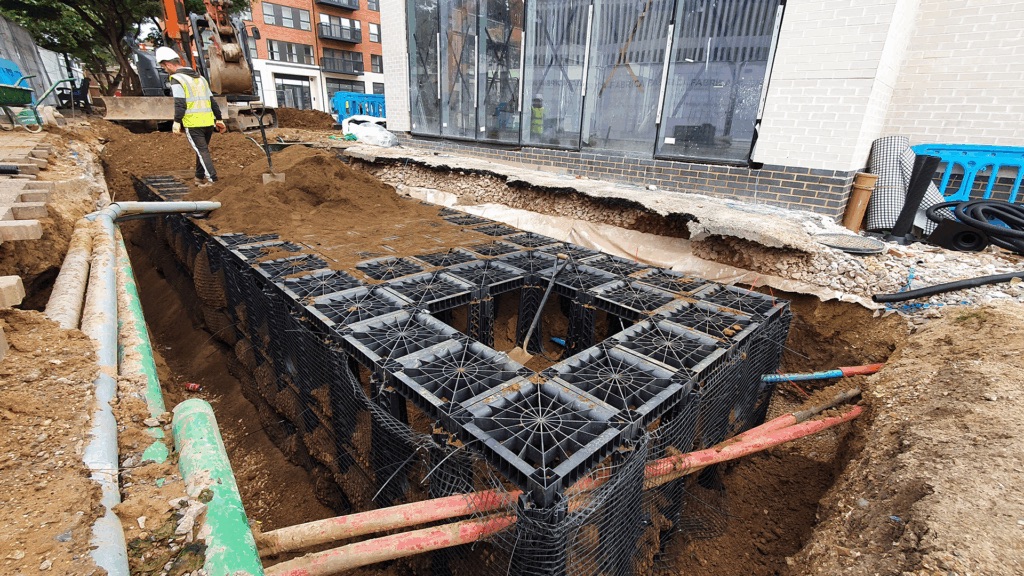
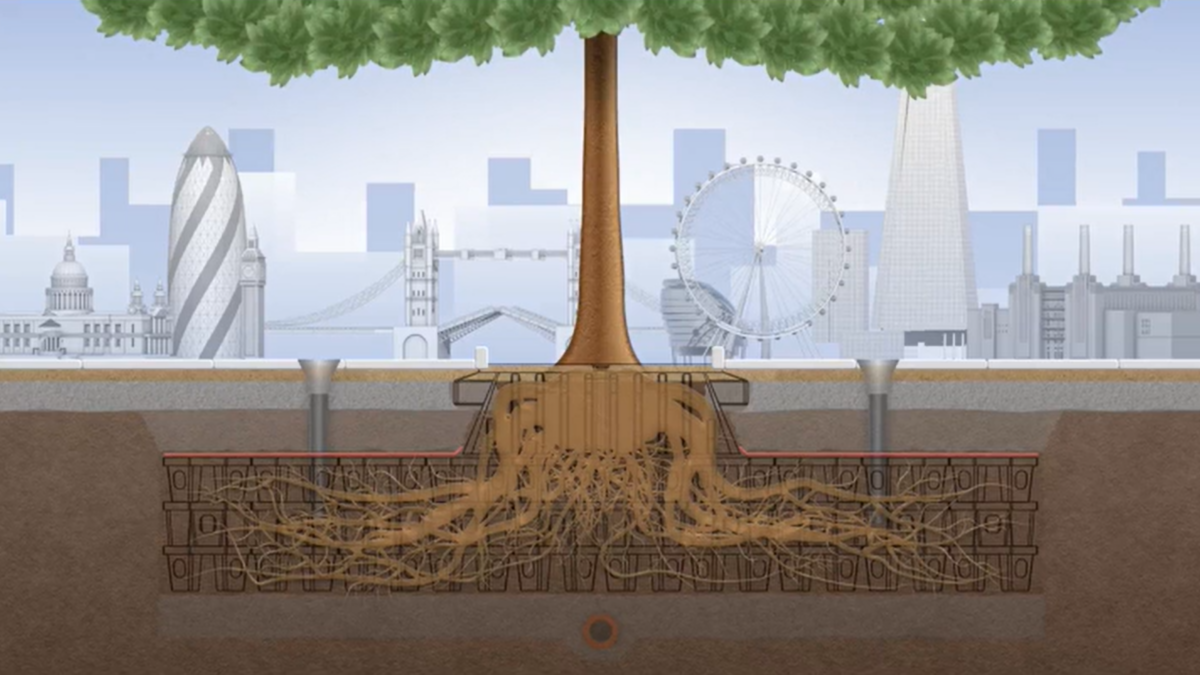
Charlotte Markey, GreenBlue Urban’s Head of Strategic Partnerships & Public Relations, led this highly interactive session which really brought to light the multitude of ways in which nature-based solutions can be a source of creativity as well as increasing the liveability of developments. Students were exposed to the possibilities of using engineered, SUDS / LID compatible tree pit solutions to create streetscapes and waterside developments for their projects that would deliver improvements to the mental and physical health of the future inhabitants of their proposed schemes. We discussed the benefits of using these systems in heavily trafficked areas to mitigate against the effects of air pollution and combat the urban heat island effect. The students were particularly keen to explore the way in which urban trees could be integrated into the wider SUDS / LID train to manage stormwater more sustainably, by improving water quality and reducing flood risk in new developments.

It was encouraging that many of the students had a number of ideas as to how green and blue infrastructure could be used to make spaces more permeable and increase the connectivity of spaces, enabling users to move from one area to another through green corridors or green wedges.

By introducing the world of opportunity and the flexibility of the new tree pit systems available, our future urban planners, the lifeblood of our profession, will be able to more effectively design and implement schemes that will encourage healthier, more holistic patterns of use. They will be better equipped to assess the viability of schemes based on the integration of green and blue solutions rather than the more traditional approaches that we still see on schemes being proposed currently.
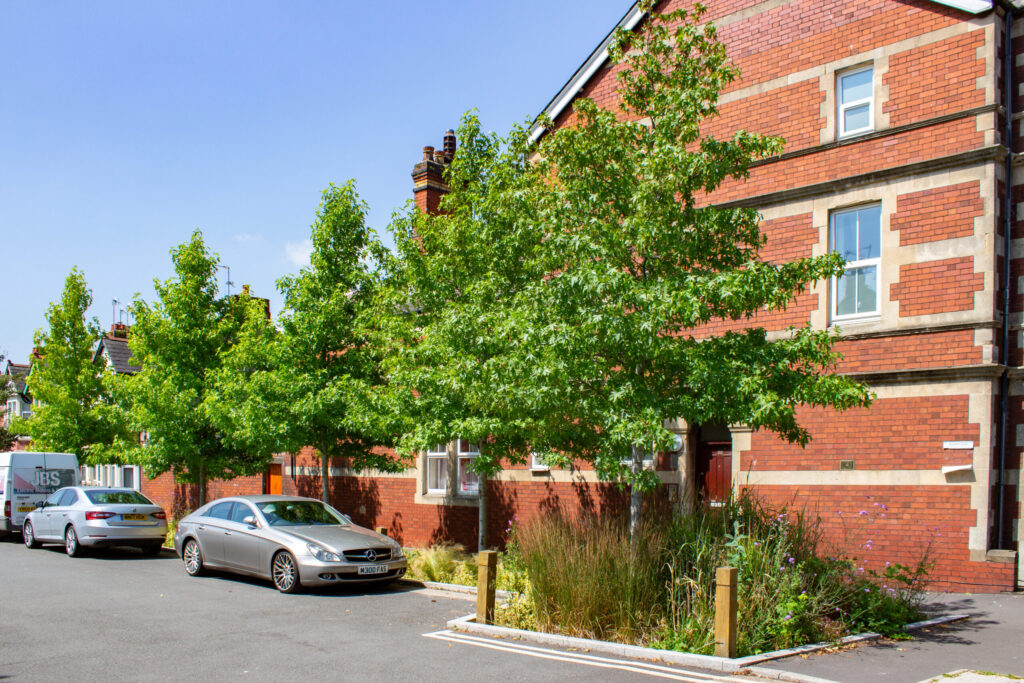
Raingardens are designed to manage rainfall where it lands. Instead of sending water straight into underground pipes, they slow, store and treat runoff at the surface, reducing pressure on drainage

Urban tree populations in cities around the world are under pressure. Despite the clear benefits trees bring, including cooling streets, managing stormwater, improving air quality and creating better places to

Urban trees don’t fail because of bad luck – most are set up to fail before they’re even planted. Traditional planting pits work against trees from the start: soil compaction,

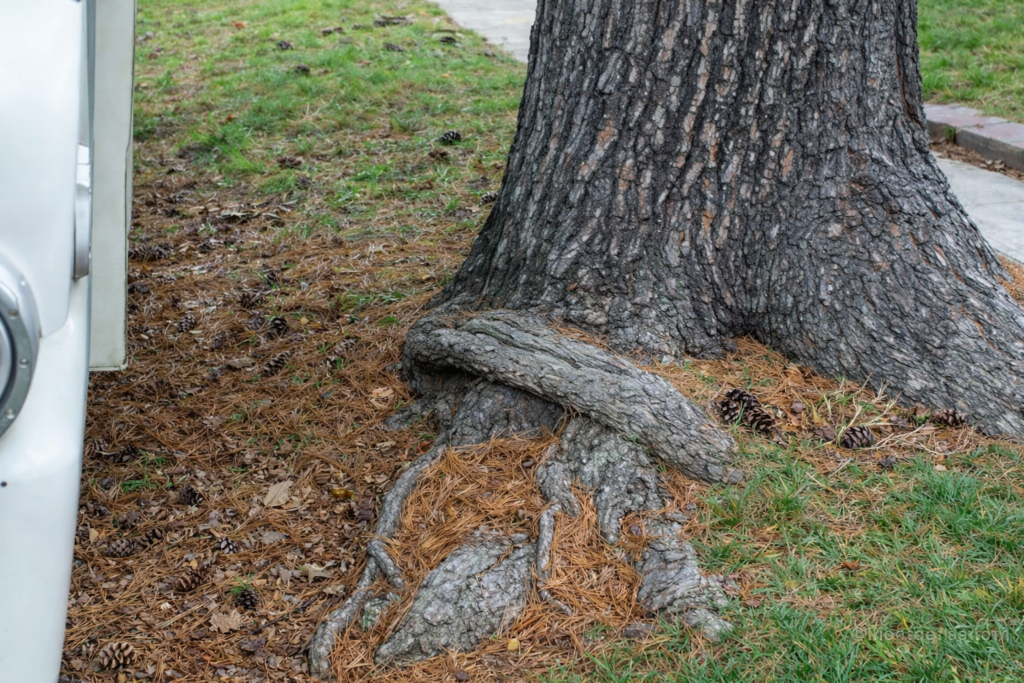
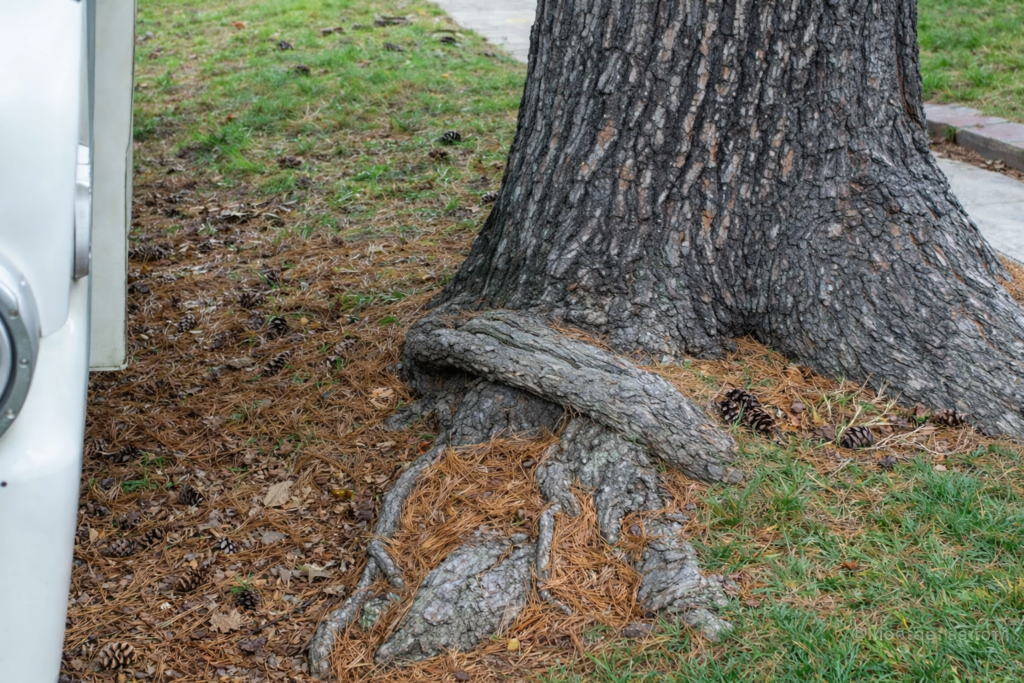
When the phrase root girdling appears in a specification meeting or planning discussion, it tends to stop the conversation cold. The challenge is that the term is often used loosely

One of the biggest challenges facing the urban greening industry today is how we respond effectively to the accelerating climate crisis. It’s also how we align as a sector to

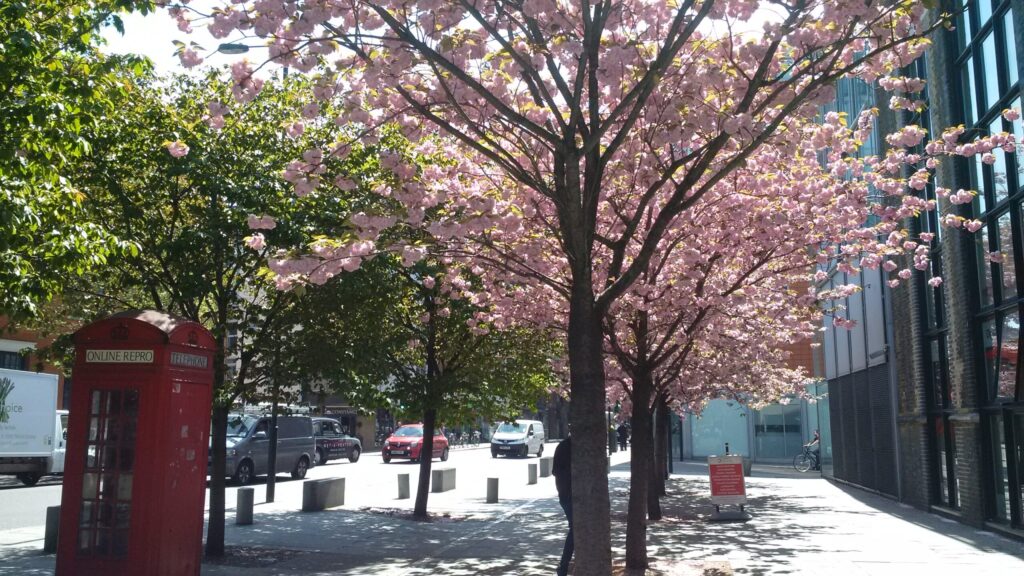
Planting a tree is often framed as an act of optimism, a gesture toward a greener, more hopeful future. But with blossom trees, the thinking starts earlier: choosing the right

Sustainable Drainage Systems (SuDS) are most effective when they are treated as a core part of urban design rather than a technical exercise that sits at the edge of a

Designing urban landscapes that successfully support both healthy tree growth and the structural needs of pavements, pathways, and vehicle areas is a complex engineering challenge. Beneath the surface, the soil

For more than a decade, the UK has broadly agreed on the direction of travel for surface water management. Policy documents reference it. Guidance supports it. Demonstration projects prove it.

Soil in urban environments rarely provides the conditions trees need to grow and thrive. Limited rooting space, compaction, and conflicts with surrounding infrastructure all work against long-term tree performance. That’s

Our existing urban drainage systems are being asked to do far more than they were ever designed for. Denser development, hard landscaping, population growth and increasingly intense rainfall are combining

When the phrase root girdling appears in a specification meeting or planning discussion, it tends to stop the conversation cold. The challenge is that the term is often used loosely

Each winter, towns and cities adopt a more festive character. Streets are illuminated, markets appear, and in many public squares a temporary Christmas tree becomes the focal point for seasonal

Urban environments are complex, high-demand spaces where every inch of land serves a function. Yet even in densely built areas, greenery is not optional — it’s essential. Street trees do

As cities continue to expand and the drive for greener, more liveable environments grows, the importance of healthy urban trees has never been clearer. Yet, for all the investment in

It may feel counter-intuitive to discuss heat stress as the nights are starting to turn colder, but the climate change data is unambiguous: hotter, drier summers and shorter, more intense

Cities across Canada are evolving. New developments are increasingly expected to serve multiple functions, moving people efficiently, offering access to nature, and protecting communities from both crime and climate-related risks.

Urban environments are complex spaces where every inch serves a purpose, yet greenery remains essential. Trees do more than beautify streets; they improve air quality, reduce urban heat, stabilise soil,

Cities across the United States are evolving. New developments are increasingly expected to serve multiple functions, moving people efficiently, offering access to nature, and protecting communities from both crime and

Most urban trees fail not because of poor species choice, but because their roots are starved of space and soil. The result? Shrinking canopies, failed specs, and wasted investment. Autumn